







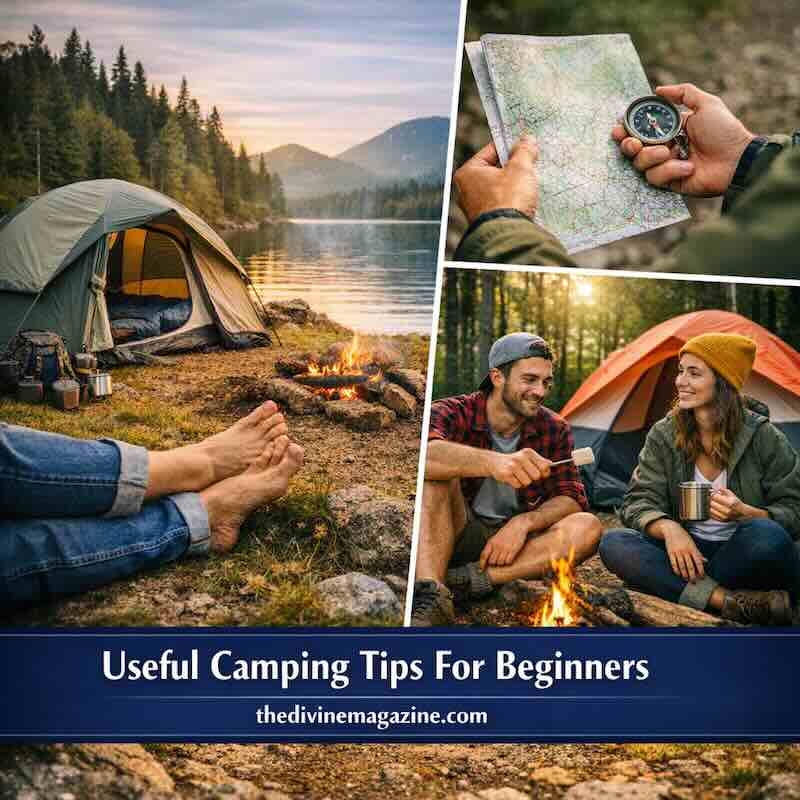
After almost 2 years of being stuck at home, many people are more than curious about the great outdoors and many of them are curious about outdoor training. People who never even thought about camping are starting to research gear and look up camping recipes. Are you also experiencing a draw toward nature? If you’re planning your first camping trip soon, at this website here are a few beginner tips that will ensure your outing is safe, comfortable and fun:
Get a slightly bigger tent
Today, tents come in hundreds of different sizes, shapes and layouts and the entire thing can be very overwhelming for a beginner camper. If you’re trying to buy a tent for your future nature adventures, it’s a good idea to get a model that’s at least one size bigger than you might think you need. For instance, if you’re planning to sleep two people in your tent, don’t get a two-person tent—get a three-person tent. This extra space will allow you to store your food, gear, clothes and other necessities inside and still get comfortable while sleeping. Of course, if it is just you going solo, check out a single man tent that will be more than enough for you.
Practice pitching
How hard can it be to pitch a tent, right? Well, after a long day of hiking, this chore might seem more complicated than it actually is, especially when it’s getting darker and you have to read instructions. To prevent this unpleasant situation from happening, go to your backyard after you purchase a tent, take a good look at all the parts and try to pitch it and take it down. This trial run will ensure you know exactly what you’re doing when you arrive at your campsite and save you a lot of nerves, headaches and embarrassment.
Always carry a sleeping bag
Even if daily temperatures reach the 100s, having a sleeping bag with you is still a must. No matter the season, temperatures at night can drop significantly when you’re in nature, so you’ll be more than glad that you have something warm and dry to crawl into. When purchasing your sleeping bag, look at the tag and study the season and temperature rating on each model. With a sleeping bag and a sleeping mat, you’ll always have comfortable, warm and safe nights.
Pick out your campsite in advance
Ideally, you would pack your stuff, find a nice trail leading into nature, do some light walking and arrive at a perfect camping spot with running water, shelter and beautiful views. However, that almost never happens. If you want to eliminate wandering around the forest with all your camping necessities on your back, make sure to visit your camping area before you embark on your real adventure and pick out a spot. This way, you will know exactly where to go once you have everything packed. Even if you’re camping on a designated campsite, this step is still necessary—every campsite has different spots with different views, amenities and privacy settings.
Never go without a good knife
There are many things you must have with you when camping: a first aid kit, food, matches, rope, etc. However, the most important thing according to many seasoned campers is a good knife. Before you embark on your adventure, go looking for quality automatic knives that will fit into your backpack or cargo pants pocket and always be at your hand’s reach. Automatic knives are very handy because you can activate them with one hand and quickly use them to cut the rope, clear out your site, chop food or defend your campsite from predators and intruders.
Plan your meals
At home, you can easily improvise meals by peeking into your pantry or fridge and whipping up something from all the things hiding there. But in nature, you need to be more organized, especially if you don’t have a lot of space in your cooler to just fill it with all sorts of things. Come up with a meal plan for every day that you’re camping. For instance, aim to use easily perishable ingredients earlier in your trip and leave meals with ingredients with a longer shelf life for later. This way, you’ll minimize waste and eliminate stress about cooking and eating.
The 2026 Perspective: Sustainable Stewardship
As we move into 2026, the influx of new campers has placed a higher priority on environmental stewardship. The “Leave No Trace” philosophy has evolved from a suggestion to a necessity for preserving our national parks. Modern beginners are encouraged to swap single-use plastics for biodegradable alternatives and to utilize solar-powered chargers for essential safety tech. According to the Leave No Trace Center for Outdoor Ethics, minimizing your footprint is the best way to ensure that the pristine spots you discover today remain beautiful for your return trip next season.
Conclusion
Camping is one of the most rewarding ways to disconnect from the digital world and reconnect with yourself. By choosing a slightly larger tent, practicing your setup at home, and planning your logistics in advance, you transform a potentially stressful outing into a seamless adventure. Remember, the goal isn’t to survive the outdoors, but to thrive in them. Pack with purpose, respect the land, and allow your mind to relax in the rhythm of the wild. Your first trip might have a few bumps, but those are just the stories you’ll tell around the campfire on your second.
Frequently Asked Questions
- What is the best way to find a legal campsite? Use reputable apps like Recreation.gov or AllTrails to find designated spots and check for required permits.
- How do I stay warm if the temperature drops unexpectedly? Layer your clothing and ensure you have a sleeping pad. A pad provides critical insulation between your body and the cold ground.
- Is it safe to camp alone? Yes, provided you share your itinerary with someone at home and carry a satellite messenger or whistle for emergencies.
- What should I do about wildlife? Always store food in bear-proof containers or high-hung bags, and never keep scented items (like toothpaste) inside your tent.