







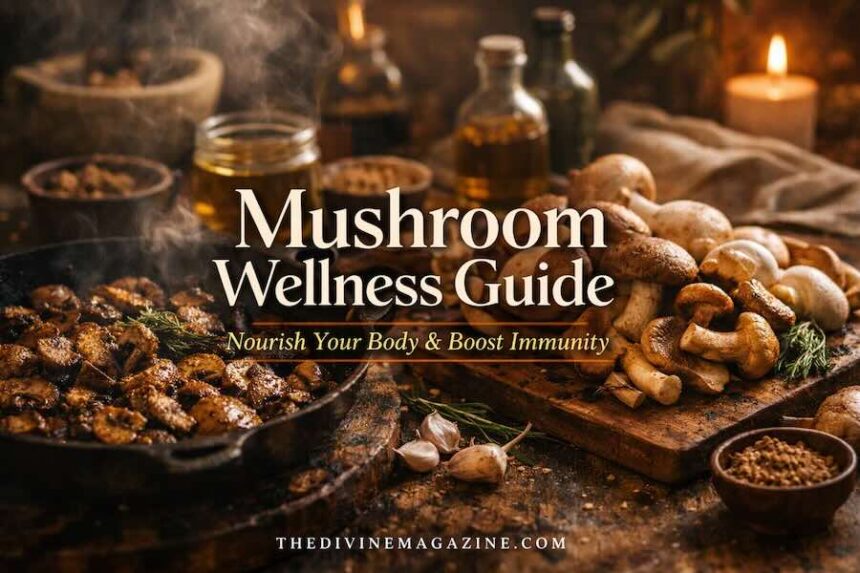
Let’s talk about mushrooms. Not the psychedelic kind making headlines, but the everyday culinary mushrooms you’ll find at your local grocery store. In 2026, these humble fungi are finally getting the recognition they deserve for their nutritional and functional benefits.
While mushrooms have long been considered healthy, many people still overlook them—often dismissing them as “too weird” or “too watery.” Yet recent science highlights their unique bioactive compounds and immune-boosting potential, suggesting it’s time to rethink how we view these ancient organisms.
Unlike plants or animals, mushrooms belong to the Fungi kingdom—a distinct classification that gives them their remarkable properties. They contain fiber, antioxidants, and beta glucans, compounds that support immune health and gut balance. Let’s explore how to cook, enjoy, and benefit from mushrooms in your daily meals.
Cook Mushrooms Properly to Maximize Flavor and Texture
The most common complaint about mushrooms is that they turn “watery.” This happens because mushrooms are mostly water—just like fruits and vegetables. To avoid soggy results, cook them long enough for the moisture to evaporate.
Use a hot pan or wok and sauté for 10–12 minutes on high heat with olive oil, salt, and pepper. The goal is to let the water cook off, leaving behind rich, caramelized flavor and a tender texture. For more culinary guidance, see Bon Appétit’s guide to cooking mushrooms.
Properly cooked mushrooms shrink in size as water evaporates—don’t worry, that’s a good sign. The result is a batch of savory, golden mushrooms ready to elevate any dish.
Mushrooms Make a Versatile Addition to Any Meal
Once cooked correctly, mushrooms become a culinary powerhouse. Their umami flavor complements both plant-based and meat dishes without overpowering other ingredients.
Try adding mushrooms to:
- Salads — use sautéed mushrooms instead of croutons for a nutrient boost.
- Meat dishes — pair mushrooms with chicken, steak, or pork for rich flavor contrast.
- Eggs — add mushrooms to omelets or scrambled eggs for a hearty breakfast.
- Pasta — toss mushrooms into spaghetti or risotto for depth and texture.
- Burgers — replace bacon with grilled mushrooms or use large portobellos as buns.
- Pizza — top your favorite slice with crispy, tender mushrooms for extra umami.
For creative inspiration, explore BBC Good Food’s mushroom recipe collection.
Beta Glucans: The Immune-Boosting Power of Mushrooms
Beta glucans are naturally occurring polysaccharides found in mushrooms that help strengthen the immune system. Studies show they enhance white blood cell activity and support the body’s ability to detect and fight pathogens.
According to a Food Science and Nutrition review, beta glucans may play a role in slowing cancer progression and improving immune response. They’re absorbed in the small intestine, where they interact with bone marrow to stimulate white blood cell production and regulate inflammation.
Beta glucans also promote healthy gut bacteria, making mushrooms a great alternative to yogurt for those who are lactose intolerant. For more on gut health, see Harvard Health’s guide to the microbiome.
Conclusion
Mushrooms are more than a side dish—they’re a functional food with real health benefits. From immune support to gut balance, these fungi deserve a regular spot on your plate. Cook them properly, pair them creatively, and enjoy their earthy flavor while nourishing your body.
FAQ: Mushrooms and Health in 2026
Are mushrooms a superfood?
Yes. Mushrooms are rich in antioxidants, beta glucans, and essential minerals that support immunity and metabolism.
Can mushrooms replace meat?
They can’t fully replace meat nutritionally, but they’re an excellent plant-forward substitute for texture and flavor.
Do mushrooms help gut health?
Absolutely. Their prebiotic fibers feed beneficial gut bacteria and support digestion.
Which mushrooms are healthiest?
Shiitake, maitake, oyster, and reishi mushrooms are among the most nutrient-dense varieties.
Can I eat mushrooms raw?
It’s best to cook them. Heat breaks down chitin in the cell walls, improving nutrient absorption and flavor.
Jared Levenson is an Intuitive Eating Counselor who helps people with disordered eating. His podcast, Eating Enlightenment, explores new ways to think about food and body awareness. Learn more at Eating Enlightenment.