




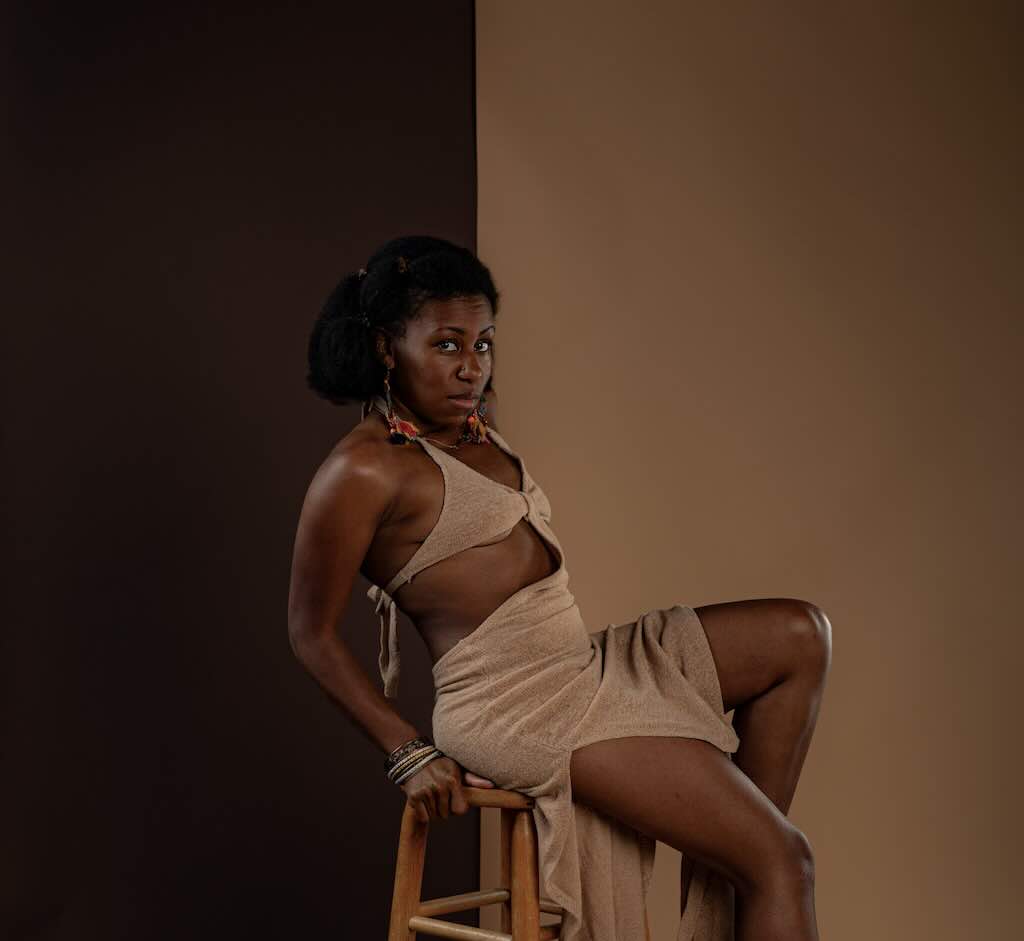

Strength can become another kind of pressure when everyone expects it from you. On “Black Women Feel No Pain,” nationally touring recording artist Akeylah Simone confronts that expectation directly, examining what happens when resilience stops being recognized as survival and starts being treated as an obligation.
The cinematic R&B protest ballad centers on the “Strong Black Woman” stereotype and the emotional consequences of being expected to remain composed through grief, exhaustion and pain. Simone does not approach the subject from a distance. The song comes from lived experience, giving vulnerability and anger equal space.
When resilience becomes an expectation
At the center of “Black Women Feel No Pain” is a contradiction: being recognized as strong can sound affirming while simultaneously removing permission to struggle.
Simone reflects on experiences in predominantly white spaces where she felt expected to function as an emotional anchor while her own distress was pushed aside. Being upset became inconvenient. Exhaustion had to remain invisible. The expectation was simple: keep going.
Her song refuses that arrangement.
“I wrote ‘Black Women Feel No Pain’ as a direct response to witnessing and enduring multiple tragedies in my life and the refusal of my so-called peers to not just acknowledge my pain, but to allow me the space to feel, let alone heal from the damage done,” Simone says.
The distinction matters. Simone is not rejecting strength itself. She is rejecting the idea that previous survival creates an obligation to survive everything quietly.
A personal experience with a wider history
The song also places Simone’s experience beside a documented disparity in healthcare. Research has repeatedly examined racial bias in pain assessment and treatment, including false beliefs about biological differences between Black and white patients. A study published in the Proceedings of the National Academy of Sciences found that such misconceptions can influence perceptions of pain and treatment recommendations.
For Black women, that history gives the song’s title an especially severe edge. The phrase sounds impossible when read literally. As a cultural expectation, however, it points toward something far more recognizable: pain being minimized because strength has already been assigned to the person experiencing it.
Simone brings that contradiction into an R&B setting where softness is allowed to sit beside confrontation. The cinematic scale gives the subject weight, while the emotional focus keeps the song grounded in one person asking to have her humanity recognized.
“I’m reclaiming my humanity”
Simone describes reaching a point where her own history of endurance began working against her.
“It was demanded of me to carry their pain and to place mine to the side. It was demanded of me to ‘keep going.’ I was breaking and my history of resilience, of survival, of strength was weaponized. I’m reclaiming my humanity with this track.”
That final idea changes the emotional architecture of “Black Women Feel No Pain.” Reclamation here is not about becoming harder. It is about recovering the right to be tired, angry, wounded, soft or uncertain without having those emotions interpreted as failure.
That’s why the track’s vulnerability carries as much force as its protest. Simone is not asking to be seen as indestructible. She is insisting on being seen completely.
Akeylah Simone enters a new creative chapter
Based in Hampton Roads, Virginia, Simone has developed her work around cinematic storytelling, Black cultural expression and emotionally intentional songwriting. “Black Women Feel No Pain” sharpens that artistic identity by bringing cultural critique directly into her personal narrative.
The single also arrives during a larger period of expansion. Simone is preparing additional releases across summer and fall 2026 while extending her touring footprint ahead of a full-length album planned for spring 2027.
For now, “Black Women Feel No Pain” establishes the terms clearly. Strength does not cancel pain. Survival does not erase damage. And resilience should never become an excuse for denying someone the space to heal.
For more on Akeylah, visit: