







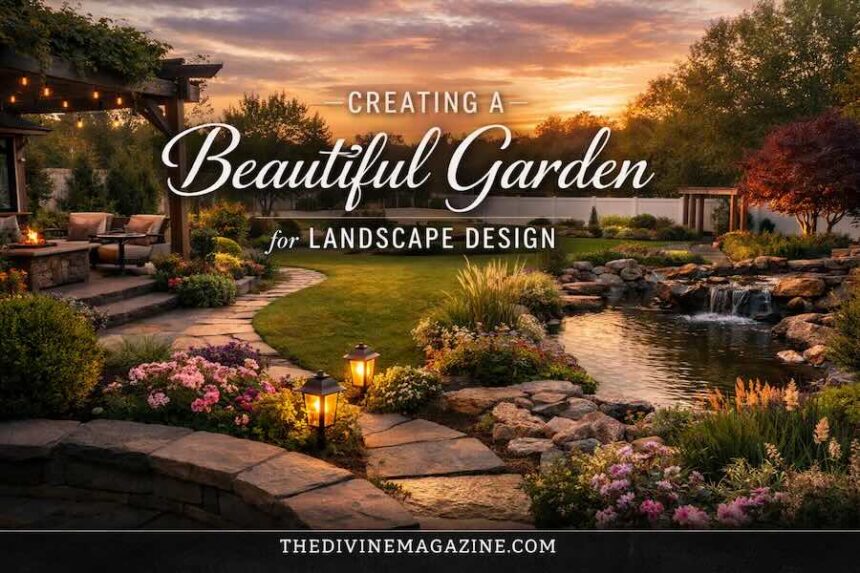
Are you dreaming of transforming your backyard into a modern, blossoming paradise in 2026? Maybe you’ve always wanted to get creative with your outdoor space but felt unsure where to begin. With thoughtful planning and a clear vision, your garden can become a sanctuary for relaxation, entertaining, and everyday joy.
- Planning your landscape design
- Assessing your space and climate
- Determining the purpose and style of your garden
- Choosing plants and materials
- Garden design ideas for outdoor spaces
- Incorporating garden landscaping
- Implementing fences and borders
- Adding decks and patios
- Coordinating structures with plants
- Tips for creating a gorgeous garden layout
- Starting your design from scratch
- Selecting the right plants and trees
- DIY garden design for beginners
- Basic design concepts and principles
- Taking stock of your resources and tools
- Maintaining your garden’s elegance
- Proper watering and fertilizing techniques
- Tips for pruning and trimming your plants & trees
- Tree removal and tree health
- Preventing weeds and pest infestations
- Monitoring your garden’s health regularly
- Conclusion: Designing a garden that grows with you
- FAQ: Creating a beautiful garden for landscape design
Creating a beautiful garden for landscape design is absolutely possible, even if you’re an amateur gardener. With the right information, inspiration, and resources, anyone can plan and realize their own stunning outdoor space. Visit Travs Trees if you are interested in tree removal and professional arborist services.
For more design inspiration and planting ideas, you can also explore resources from the Royal Horticultural Society and Better Homes & Gardens Gardening, which offer practical tips for modern garden layouts.

Planning your landscape design
Through self-assessment, purpose assessment, and plant & material selection, you can plan your landscape design to create an elegant outdoor space that feels cohesive and intentional. For exceptional landscape design Mornington Peninsula, trust experienced designers to bring your outdoor vision to life with creativity and precision.
Start by sketching your garden on paper or using a simple garden design app. Think about how you move through the space, where the sun falls during the day, and which areas you’d like to highlight with focal points such as trees, sculptures, or seating.
Assessing your space and climate
Before tackling any project—especially one as big and beautiful as a backyard garden design—it’s important to first assess your space and climate. Environmental factors such as sunlight exposure, soil type, drainage slopes, nearby structures affecting wind patterns, and existing vegetation all influence your design choices.
Understanding the climate in your region throughout each season will help you select plants that can withstand long-term weather changes and minimize maintenance. For climate-smart planting ideas, you can explore resources like National Gardening Association Plant Finder, which helps match plants to your zone and conditions.
Determining the purpose and style of your garden
When planning your garden design, it’s essential to consider how you want to use the space. Different purposes will shape the layout. A garden designed for entertaining guests may require larger patios, outdoor kitchens, and generous circulation paths, while a quiet retreat might focus on intimate seating, lush planting, and calming water features.
Additionally, think about the climate and terrain of your location, as this affects which plants are suitable for planting in your region. Discussing these details with a qualified landscape designer can help you create an effective plan aligned with your purpose and desired style.
When choosing a style, consider elements such as formality vs. informality, color palettes, modern vs. traditional designs, and architectural features like pathways and seating areas. Formal gardens often feature structured hedges and symmetry, while cottage gardens embrace layered, informal planting and romantic textures.
Each style has its own distinct look—formal borders add sophistication, whereas informal plant beds appear naturally inviting and relaxed.
Choosing plants and materials
Choosing the right plants for your landscape is one of the most important steps in creating a successful garden design. Depending on your space, climate, and purpose, you’ll select plants and trees based on form, texture, and color that work together harmoniously.
Consider environmental factors such as soil type (clay, loam, or sandy soil), water availability, exposure to sunlight, and extremes of temperature. Each plant will have different care requirements, so matching species to your conditions will save time and effort in the long run.
Additionally, using hardscape materials can add structure and balance—think concrete walkways, patios, or a custom pergola using stamped concrete from a professional company near you. Arrange hardscape elements in harmony with plants to create cohesion between all facets of your garden’s layout.
It’s also essential to use varied textures to add depth and interest—bold foliage against delicate flowers, bright colors contrasting with monochromatic planting schemes, and evergreen structure paired with seasonal blooms.
Garden design ideas for outdoor spaces
Using garden landscaping elements such as trees, shrubs, flowerbeds, and rocks can create outdoor spaces that delight all the senses. Layering plants of different heights, textures, and bloom times ensures interest throughout the year.
Incorporating garden landscaping
Garden landscapes involve a variety of materials and elements, including plants, trees, fences, hard pathways and patios, outdoor lighting fixtures, and more. It’s an art form that must be carefully thought out to bring maximum beauty and functionality to your outdoor space.
To start planning your landscape design, consider the size of your yard as well as local climate conditions. This will help you decide which plants and features will thrive in your space. Thoughtful lighting, for example, can extend the usability of your garden into the evening and highlight key focal points.
As you design your garden landscape, think about how each component works together—items such as fountains, gazebos, or pergolas made with pergola brackets should fit seamlessly into the plan so they become part of the overall visual appeal rather than feeling disconnected.
Implementing fences and borders
Fences and borders are among the most effective ways to create structure in a garden. They can visually frame or divide spaces, define boundaries, provide a sense of enclosure for outdoor living areas, secure property lines, and add aesthetic value to your landscape design.
Different types of fences and borders can be installed depending on the purpose and desired look—classic white picket fences lend an airy, charming feel, while low hedges are excellent for marking boundaries without blocking sightlines. To ensure you have a sturdy, long-lasting fence, contact the nearest vinyl fence installer for your garden.
Adding decks and patios
Decks and patios are a fantastic way to create outdoor living spaces for your family and guests. In garden design, they can anchor the style of your yard and provide functional areas for dining, lounging, or hosting gatherings.
Decking materials come in a range of colors and textures, making it easy to create stylish designs. Decking provides valuable floor space outdoors that can be decorated with patio furniture, outdoor rugs, and containers filled with bright flowering plants.
Patio ideas include incorporating hardscaping elements such as stone pavers or poured concrete pads. These options help define different “rooms” in your yard while providing surfaces for furniture and decor. Stamped concrete is also a beautiful addition that can make your landscape stand out in the eyes of your guests.
Coordinating structures with plants
When creating a beautiful, functional garden landscape, coordinating structural elements with planting is key. Pergolas, arbors, trellises, and screens can provide shade, privacy, and vertical interest while supporting climbing plants and vines.
Structural elements such as pergolas, arbors, and trellises can act as focal points or create visual balance within the garden. Using decorative concrete, such as stamped concrete, is also a popular option to weave your plants and trees together with hardscape materials.
For an eye-catching look, consider combining woody plants (e.g., evergreen trees) with softwood elements (e.g., climbing vines) that will last season after season, providing strong shapes within the garden all year round.
These hardscaping choices can be softened by adding layers of perennials. Planting clusters at different heights provides color from spring through autumn, while planting flowers along fence lines injects vibrant hues around structural lines.
Tips for creating a gorgeous garden layout
Creating a beautiful garden layout doesn’t have to be overwhelming. By breaking the process into clear steps—assessment, planning, planting, and maintenance—you can build a space that evolves gracefully over time.
Starting your design from scratch
Designing a beautiful garden is a process that requires careful planning and consideration of your climate, site conditions, plants, materials, and overall vision. Begin by assessing the available space and deciding what you want from the garden: relaxation, play, food production, or entertaining.
Take into account how much sunlight or shade is present, as this affects the types of plants suitable for your area. From there, determine the style and purpose you’d like your garden to have—formal structure with hedges, raised beds for vegetables, or a wild, naturalistic look.
Once you’ve clarified your goals, create a plan—preferably on graph paper or using a digital design tool—to keep an accurate scale for measurements when laying out paving stones, choosing trees, or placing structures.
It’s helpful to start by outlining shapes around existing elements such as fences or buildings. This allows you to create interesting connections between different parts of the outdoor area and ensures that new features feel integrated rather than random.
Form themes can inspire creative ways to incorporate activities like outdoor dining or hanging swings without making them seem disconnected from their surroundings, while still allowing special features such as ponds and pathways to stand out without visual clutter.
Selecting the right plants and trees
Creating a beautiful garden begins with selecting the right plants and flowers. Consider factors such as climate, soil type, sunlight exposure, potential for pests or diseases, and desired aesthetics when making your choices.
Your region’s average temperature range and precipitation help determine which plants are suitable. For example, roses typically require full sun, while many conifers and shade-loving shrubs can tolerate partial shade. Both thrive in moist but well-draining soil, so pay attention to moisture levels before planting.
The best way to ensure healthy plant growth is by researching the characteristics of different varieties and using species that can survive in your local environmental conditions. Online plant databases and local nurseries can be invaluable resources.
DIY garden design for beginners
For DIY enthusiasts, designing a beautiful and unique garden doesn’t have to be daunting. Learn some basic design concepts and principles, take stock of your resources and tools, create a “wishlist” of features, and consult online tutorials and guides.
Basic design concepts and principles
Beautiful garden designs rely on core design principles, but beginners can start with a few simple guidelines. Scale refers to the size and proportion between elements in a landscape and how they relate to each other and the overall space.
Pacing is about arranging elements—such as plants and features—at different distances or intervals to create rhythm and visual interest. Both scale and pacing can be adjusted to suit your existing space and personal taste.
Hardscape involves shaping areas with permanent features such as driveways, patios, walls, and paths, giving structure and form to outdoor spaces. Composition includes principles of proportion (balance among elements), order (grouping similar elements), repetition (repeating accents throughout the landscape), and unity (creating a cohesive look).
Taking stock of your resources and tools
Before planning your garden design, take stock of your resources and tools. Assess your time, budget, and equipment to establish a realistic plan for your garden layout.
Think about the materials you’ll need, such as plants, stones or mulch, fencing, lighting, and decorative elements. Once you’ve made an inventory, compare it against any items still required to accomplish your dream garden project.
Finding practical solutions—like renting rather than buying expensive gardening tools—can help keep budgets manageable. Many communities also offer tool libraries or shared resources for gardeners.
Maintaining your garden’s elegance
Regular maintenance is essential to keeping your garden beautiful. Understanding the basics of gardening—proper watering, fertilizing, pruning, and trimming—will help your landscape stay healthy and elegant year-round.
Proper watering and fertilizing techniques
Proper watering and fertilizing techniques are crucial for creating and maintaining a beautiful landscape. Watering should be done at the right time of day, such as early morning or late afternoon, to reduce evaporation. Water-saving methods like drip irrigation can provide consistent moisture while conserving resources.
With fertilizers, avoiding runoff is key. Concentrated products must be applied carefully to ensure nutrients reach plant roots without polluting nearby water sources. Organic fertilizers and compost can improve soil health while supporting sustainable gardening practices.
Container gardens require regular monitoring for health, including proper watering and fertilizing to keep soil moist but not soggy. This helps prevent issues such as root rot and nutrient deficiencies.
Tips for pruning and trimming your plants & trees
Pruning and trimming are essential aspects of garden maintenance. Proper techniques keep plants, shrubs, and trees healthy while preserving their natural beauty and structure.
Regular pruning helps control the height and width of certain plants and promotes vigorous root growth, making it easier for them to absorb nutrients from the soil. Strategic pruning—such as removing damaged branches or thinning dense growth—can keep your landscape looking beautiful year after year.
Each type of plant has its own optimal pruning time. Deciduous trees are often best trimmed in late winter or early spring when buds appear, allowing cuts to heal quickly. Evergreen shrubs typically respond well to shaping in early summer, when new growth can cover trimmed areas.
Tree removal and tree health
Tree health and removal are crucial parts of creating and maintaining a beautiful garden. Trees often serve as the centerpiece and foundational elements in landscape design.
Healthy trees offer shade, beauty, improved air quality, lower temperatures, wind protection, and sound buffering—benefits that are essential for any outdoor space. However, sick or declining trees can pose risks, including falling limbs or the spread of disease to other plants.
While some sick trees may simply require pruning to restore their structure, others may be too far gone. “So, at times, you will need to remove these trees for your garden to thrive,” says a Rochester tree service company.
When planning your landscape design, it’s wise to have an arborist evaluate your property’s tree population before investing heavily in improvements. An arborist can identify trees that need care—such as fertilization or trunk injections for insect control—and those that require dormant-season services like pruning or complete removal by a professional tree service company due to safety concerns.
Preventing weeds and pest infestations
Maintaining the beauty of a garden requires regular efforts to reduce weed and pest infestations. Weeds can quickly take over landscapes if left uncontrolled, reducing both productivity and aesthetics.
To keep your garden healthy, implement proper weed control measures such as frequent hand-weeding, using mulch or compost as ground cover, and planting dense ornamental groundcovers that compete with weeds for light and nutrients.
Pests are another common challenge. Many preventive methods exist, including encouraging beneficial insects, using physical barriers, and practicing good hygiene in the garden. Tree removal can sometimes help reduce insect populations by eliminating habitats in nearby trees or shrubs.
Pruning techniques should be used when necessary to preserve plant health while removing barren or diseased branches that could attract pests looking for food sources around the garden.
Monitoring your garden’s health regularly
Regularly monitoring the health of your garden is essential for keeping it looking its best and building a resilient landscape. Consider all the factors that affect the health, beauty, and longevity of your outdoor space.
Along with selecting the right plants and supporting soil fertility, maintenance should include ongoing surveillance and diagnostics: inspecting for pests and diseases, testing soil composition, watering according to each plant’s needs, and removing weeds before they spread too far.
If you live near the Rochester, NY area and need help sculpting your landscape or cutting trees, then you can explore the best tree trimming service in the area. Professional support can make complex tasks safer and more efficient.
Conclusion: Designing a garden that grows with you
Creating a beautiful garden for landscape design in 2026 is about more than aesthetics—it’s about crafting an outdoor space that supports your lifestyle, reflects your personality, and evolves over time. By understanding your site, choosing the right plants and materials, and committing to regular maintenance, you can build a garden that feels timeless yet adaptable.
Whether you’re working with a small urban courtyard or a sprawling backyard, thoughtful design and smart plant choices will help your garden thrive. Start with a clear vision, embrace sustainable practices, and don’t be afraid to experiment. Your garden can become a living, breathing extension of your home—one that brings joy season after season.
FAQ: Creating a beautiful garden for landscape design
How do I start designing my garden if I’m a complete beginner?
Begin by observing your space: note sun and shade patterns, existing plants, and how you currently use the area. Sketch a simple plan, decide on your main goals (relaxation, entertaining, growing food), and start small with a few key features. Online tutorials, garden design apps, and local nurseries can provide guidance and inspiration.
What are the easiest plants for a low-maintenance garden?
Low-maintenance gardens often rely on hardy perennials, ornamental grasses, and shrubs suited to your climate and soil. Look for drought-tolerant species, disease-resistant varieties, and plants that don’t require frequent pruning. Native plants are usually a great choice, as they’re adapted to local conditions and support biodiversity.
How can I make a small garden feel larger?
Use visual tricks such as diagonal paths, layered planting, and vertical elements like trellises or pergolas to draw the eye upward and outward. Mirrors, light-colored surfaces, and carefully placed focal points can also create a sense of depth. Keeping the design simple and uncluttered helps small spaces feel more open.
Do I need professional help for tree removal or major landscaping?
For tasks involving large trees, complex grading, or structural elements, professional help is strongly recommended. Arborists and landscape contractors have the expertise and equipment to work safely and efficiently. For smaller projects, you can often manage on your own, but don’t hesitate to consult professionals for advice or specific services.
How often should I review and update my garden design?
It’s a good idea to review your garden design at least once a year, ideally at the end of a growing season. Note what worked well, which plants struggled, and how your needs may have changed. Adjust planting schemes, add or remove features, and refine pathways or seating areas so your garden continues to feel relevant and enjoyable.