






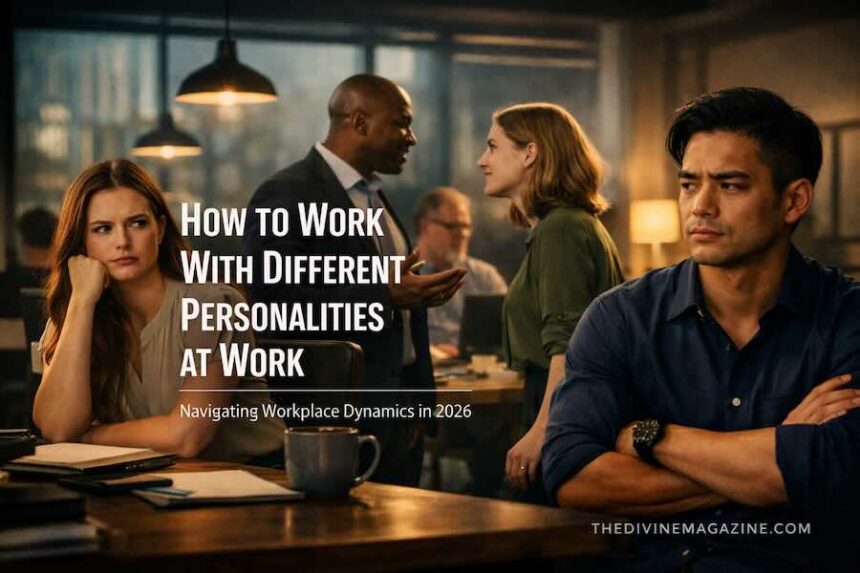
Tolerating different personalities is an essential part of modern work life in 2026. As you transition from education into the professional world, you’ll quickly discover that navigating diverse temperaments, communication styles, and expectations is just as important as mastering your job responsibilities.
Every individual brings a unique set of traits to the workplace. You won’t connect deeply with everyone — and that’s perfectly normal. Trying to please every personality is exhausting and unnecessary. Instead, focus on being authentic, respectful, and consistent. Some colleagues may energize you, while others may drain your patience or slow down progress. Treat people fairly, but don’t force emotional labor where it isn’t reciprocated. Respect those who respect you, and maintain healthy boundaries with those who don’t.
Know How Different People Work
When you enter a new workplace, take time to observe how people prefer to communicate and collaborate. Avoid assumptions. If someone prefers email over chat or face‑to‑face conversations, honor that preference. This reduces friction and builds trust. According to the cheap thesis writing guidelines, following instructions and respecting communication norms is one of the simplest ways to avoid unnecessary conflict.
If a colleague’s preferred method doesn’t align with your own, communicate openly. Ask whether an alternative approach is acceptable. If they agree, great — if not, adapt. Flexibility is a professional strength in 2026, especially in hybrid and asynchronous work environments. For additional insights on workplace communication, explore Harvard Business Review’s guide to effective communication.
Do Not Involve Yourself in Battles
You can maintain a peaceful work life without engaging in unnecessary battles. Most conflicts aren’t physical — they’re rooted in ego, decision‑making, and competing priorities. If your idea isn’t chosen, don’t force it. There will always be another opportunity to contribute. Give others space to shine. A collaborative mindset builds long‑term credibility and strengthens team culture.
Togetherness
Diversity in personality types makes teams stronger. Working with people who think differently accelerates problem‑solving and sparks creativity. When a group brings varied strengths to the table, challenges are resolved faster and more effectively. This dynamic is essential for companies aiming to innovate and grow in 2026’s rapidly evolving work landscape.
Preparation
You cannot change someone’s personality — but you can prepare yourself to respond maturely. Polite individuals rarely cause conflict, but even difficult personalities can be managed with emotional intelligence. Treat people according to their temperament, and remain the bigger person when tensions arise. You may not receive immediate recognition, but professionalism is always noticed over time.
Avoid Taking Things to Heart
Not every harsh comment or tense moment is personal. Someone may be dealing with stress, burnout, or challenges you know nothing about. Instead of reacting emotionally, try to elevate the conversation. A calm response can shift the entire tone and even help someone through a difficult moment. Emotional resilience is one of the most valuable workplace skills in 2026.
Respect
Respect remains the foundation of every healthy workplace. Regardless of personality differences, every colleague deserves basic dignity, patience, and professionalism. When respect is mutual, collaboration becomes effortless.
⭐ Conclusion
Navigating different personalities in 2026 requires emotional intelligence, adaptability, and clear communication. You don’t need to be everyone’s best friend — but you do need to understand how to work with a wide range of people. By observing communication styles, avoiding unnecessary conflict, embracing diversity, and maintaining respect, you create a healthier work environment for yourself and those around you. These skills not only improve daily interactions but also strengthen your long‑term career growth.
⭐ FAQ
How do I handle difficult personalities at work in 2026?
Stay calm, set boundaries, and communicate clearly. Focus on solutions, not emotional reactions.
What if someone’s communication style clashes with mine?
Adapt when possible, or respectfully discuss alternatives. Hybrid workplaces require flexibility.
How can I avoid workplace conflict?
Observe team dynamics, avoid assumptions, and don’t force your ideas. Collaboration over competition.
Is it normal not to get along with everyone?
Absolutely. Professionalism matters more than personal chemistry.
Where can I learn more about workplace communication?
Explore resources like MindTools’ communication skills library or Forbes’ communication improvement strategies.