







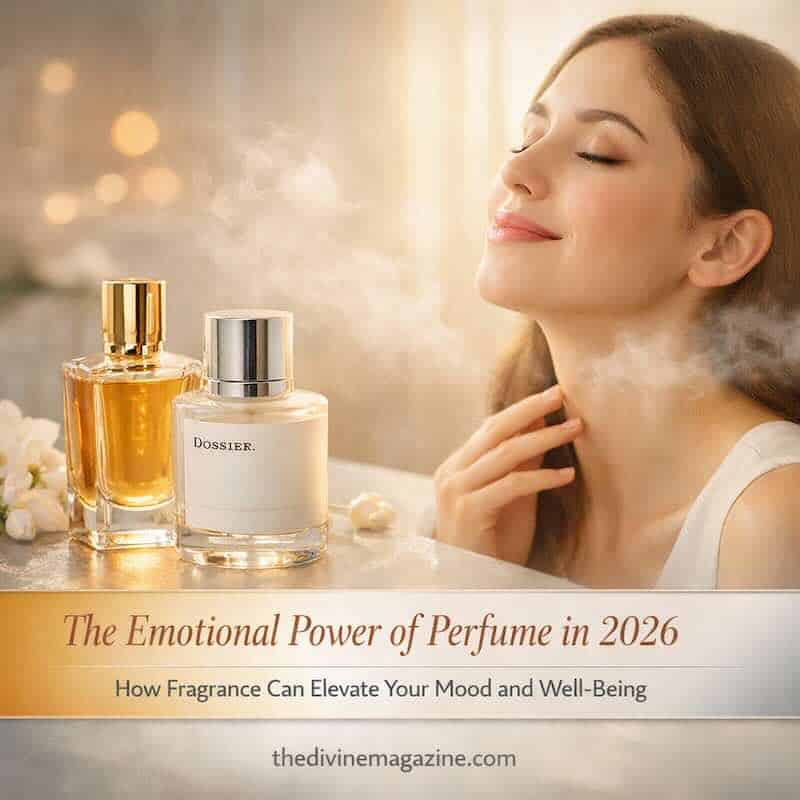
As invisible as they are, fragrances possess a potent power to trigger a myriad of emotions within us. In 2026, as we lean deeper into sensory wellness and functional perfumery, the rich essence of a perfume—such as the high-fidelity compositions offered by Dossier—does more than just make us smell good. These scents can elevate our spirits, provide a grounding “sensory anchor” during stressful days, or teleport us to cherished memories. The profound impact of fragrances on our emotional architecture and overall well-being merits modern exploration.
The Science Behind Fragrances and Emotions
Our sense of smell is intricately connected to our emotions, more so than any other sense. Fragrances reach the olfactory bulbs, which are directly connected to the limbic system—the area of the brain responsible for emotional processing and long-term memory. This physiological “fast-track” explains why a specific scent, such as the comforting notes found in vanilla perfume for women, can evoke vivid memories or induce potent emotional responses. For example, the perfume you wore on your wedding day may evoke a sense of joy and nostalgia decades later, acting as a “scent-memory” bookmark.
Fragrances and Positive Emotions
Certain fragrances are scientifically recognized to uplift mood and create a sense of well-being. Citrus scents like lemon or orange are often associated with energy and alertness, while floral fragrances like rose and jasmine can induce feelings of happiness and openness. Dossier offers a range of such perfumes, allowing customers to experience these neuro-aesthetic effects without the exorbitant price tag of luxury heritage brands.
Lavender and vanilla fragrances have significant calming properties, with lavender often being linked to reduced cortisol levels and improved sleep quality. The beauty of modern perfumery is that it allows us to carry these comforting bio-rhythms with us throughout the day, promoting relaxation in a high-speed world.
Functional Fragrance and Productivity
It’s intriguing to consider that certain scents, such as the invigorating aroma of rosemary or the clean, bright scent of lemon, can actually enhance our cognitive functions. According to research cited by the Monell Chemical Senses Center, these scents stimulate the brain’s alertness centers, resulting in increased focus and concentration. This makes them perfect candidates for home offices or study areas. In this way, a seemingly simple act of wearing perfume turns into a powerful tool for cognitive enhancement, providing an unexpected yet pleasantly surprising productivity boost.
Addressing Sensitivity: Fragrances and Negative Emotions
While fragrances have their benefits, they can also trigger negative responses in some individuals. Certain heavy synthetic musks might induce headaches or respiratory allergies, while others may cause anxiety if linked to a negative past experience. This emphasizes the importance of “clean” perfumery and transparency in ingredients—values that are becoming standard in the 2026 beauty industry.
The Rise of “Scent-Scaping” and Self-Care
Incorporating fragrances into self-care routines can enhance relaxation and improve long-term mental health. Beyond bath bombs and masks, we are seeing the rise of “scent-scaping”—using different perfumes to delineate the boundaries between work-life and home-life. A signature Dossier perfume can serve as the perfect ritualistic finishing touch, signaling to your brain that it is time to feel pampered and refreshed.
Conclusion
As we navigate the complexities of 2026, fragrances have evolved from mere vanity products into essential tools for emotional regulation and self-expression. Whether it’s the grounding warmth of a vanilla base or the cognitive spark of a citrus top note, the influence of scent is profound and undeniable. By exploring diverse scent profiles, such as those offered in the accessible collection by Dossier, we can take control of our sensory environment. As we understand this link deeper, we can use fragrances to enhance our mood, promote well-being, and ultimately, enrich the daily tapestry of our lives. Every scent tells a story; it’s time to choose yours with intention.
Frequently Asked Questions
Q: What is a “functional fragrance”?
A: A functional fragrance is a scent specifically designed to trigger a psychological or physiological response, such as reducing stress or increasing energy, rather than just providing a pleasant aroma.
Q: Why does the same perfume smell different on different people?
A: This is due to your unique skin chemistry, including pH levels, skin oiliness, and even your diet. These factors interact with the perfume oils to subtly alter the scent profile.
Q: How can I make my perfume last longer in a sustainable way?
A: Apply perfume to pulse points (wrists, neck, and behind the ears) where the skin is warmest. You can also look for “Extrait de Parfum” concentrations, which have a higher oil content and stay on the skin longer without needing frequent reapplication.
Q: Are synthetic fragrances safe in 2026?
A: Modern perfumery often uses a blend of natural and safe synthetic molecules. Brands like Dossier focus on IFRA-compliant, high-quality ingredients that are often more sustainable and less allergenic than certain raw natural extracts. For more on ingredient safety, you can consult the International Fragrance Association (IFRA) standards.