





The Social Media Playbook Independent Artists Actually Need
Forget the generic marketing advice. Here’s how emerging musicians build an audience that actually shows up.
Every artist we interview says some version of the same thing: the music was the easy part. Getting anyone to hear it is where the real work begins. Most social media advice out there was written for SaaS companies and DTC brands — funnels, conversion rates, content calendars built around quarterly KPIs. None of it accounts for what it actually feels like to post a song you wrote at 2am and watch it sit at forty views.
So this isn’t another generic guide. It’s built from patterns we’ve noticed across dozens of artist features — what separates the musicians who build a real following from the ones who burn out chasing algorithms.
Start With the Song, Not the Schedule
Posting consistency gets treated as gospel, but consistency without substance just means more empty rooms, more often. The artists who actually grow tend to work backward from the release itself — what’s the one true thing about this song that a stranger would want to know? A lyric that came from a real fight. A production choice that took three studios to get right. The moment the chorus clicked.
That single true thing becomes the spine of everything you post before release day — not five different clips of the same idea, but one story told from a few angles. Standard marketing logic would call this “content pillars.” Musicians who do it well just call it being honest about what the song is actually about.
Pick the Platform Your Sound Actually Belongs On
Not every genre translates the same way across platforms, and trying to be everywhere at once is how most independent artists burn their limited hours. A fifteen-second hook works for pop-leaning tracks built around a chorus. It works far less well for a slow-building alt-country ballad that needs two minutes to land — that song might do better as a single unbroken performance clip on YouTube or a longer-form Instagram Reel than chopped into a TikTok trend format it was never written for.
Watch what the artists in your own genre lane are actually doing, not what generic marketing advice says is “trending.” A trance producer and a folk singer-songwriter are playing entirely different games, even if they’re both technically “on social media.”
behind-the-scenes Beats Polish
Listeners can tell the difference between a performance and a pitch. The clips that actually get saved and shared are rarely the most polished ones — they’re the take that cracked slightly, the studio session that ran three hours over, the moment a bandmate laughed mid-take. Imperfection reads as proof that a real person made this.
This doesn’t mean abandoning quality — it means resisting the urge to smooth every rough edge out of a clip before posting it. The rough edge is usually the reason someone stops scrolling.
Treat Comments Like a Green Room, Not a Metric
Engagement rate is a number platforms want you to optimize. A real fan base is built one reply at a time. The artists who build genuine communities tend to actually read what people write under their posts — and respond like it’s a conversation, not a customer service queue. A three-word reply from the artist to a fan’s comment does more for retention than another perfectly timed post ever will.
Save the analytics dashboards for after the fact. In the moment, the comment section is the closest thing an independent artist has to a green room — treat it that way.
Use Tools to Buy Back Time, Not Personality
Scheduling tools like Buffer exist for a reason — batching a week of posts in one sitting frees up hours for the part of the job that actually requires you: writing, recording, playing shows. But automation should handle timing, not voice. The moment a caption starts sounding like it was generated rather than typed by the person who wrote the song, listeners notice, even if they can’t say exactly why.
Use the tools to protect your time. Don’t let them write the thing that’s supposed to sound like you.
FAQ: Social Media for Independent Artists
How often should an independent artist post?
Less than most advice suggests. A handful of posts genuinely tied to something real — a session, a release, a story — outperforms a daily posting habit built on filler.
Which platform matters most for a new artist?
Whichever one your genre’s existing audience already lives on. Watch a few artists in your lane before deciding, rather than defaulting to whatever platform is generating the most headlines that month.
Should I hire someone to manage my social media?
Only once posting has started costing you studio or stage time. Early on, the perspective is usually worth more coming directly from the artist, even if it’s less frequent.
Do I need professional video equipment?
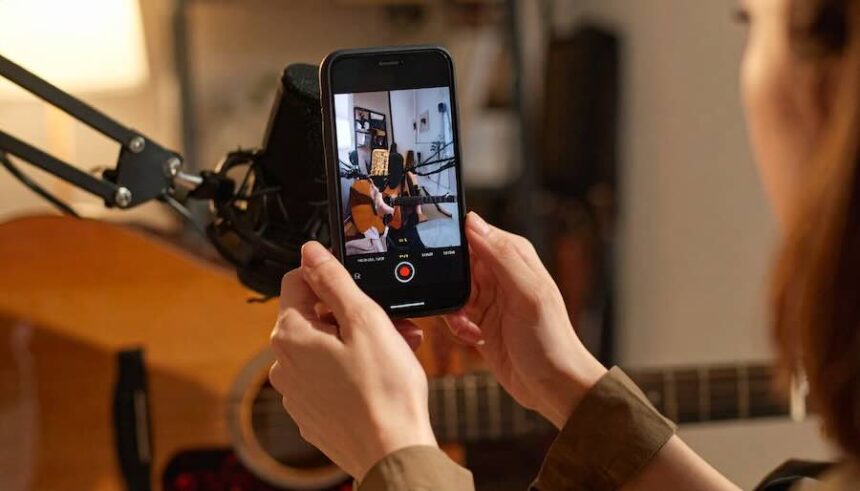
No. A phone and decent light cover most of what actually performs well. Production value matters far less than whether the moment is real.
Conclusion
The artists who build real momentum online aren’t the ones with the most sophisticated strategy — they’re the ones who treat every post as an Extension of the same honesty that made the song worth writing in the first place. The platforms will keep changing. That won’t.