







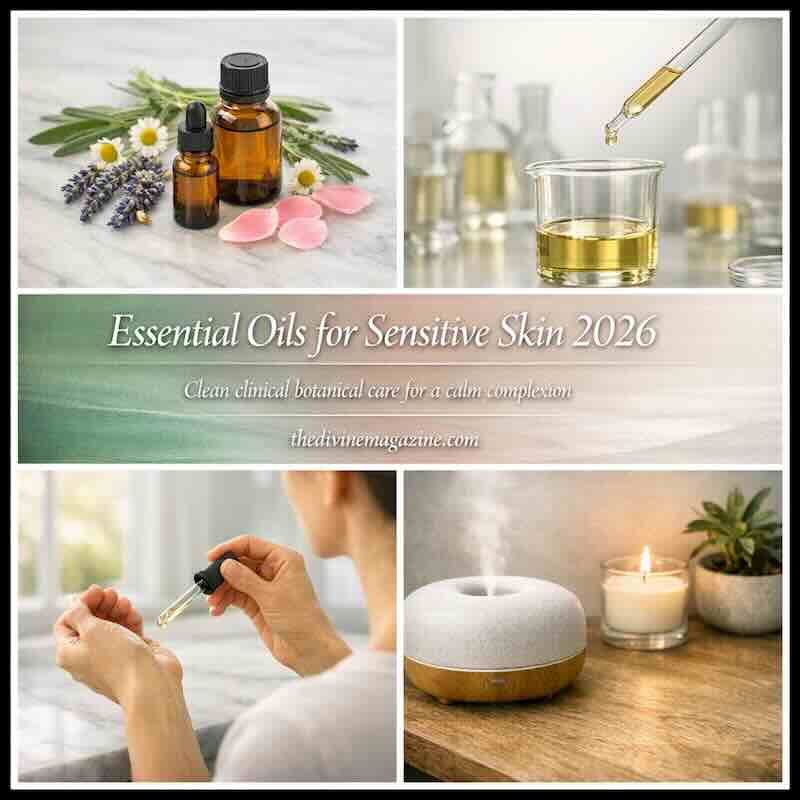
Are you tired of dealing with sensitive skin that seems to react to every product you try? As we move through 2026, the “clean clinical” movement has highlighted a return to nature, but with a more sophisticated understanding of plant chemistry. Fear not, because the perfect solution for calming your complexion might be sitting in a vial of essential oils!
Before we dive into the best essential oils for sensitive skin, let’s talk about why these botanical extracts are so effective. Derived from plants through steam distillation or cold pressing, essential oils are packed with concentrated natural compounds that can help soothe and nourish your skin barrier. Whether you choose to diffuse them aromatically for stress-induced skin flares or dilute them for topical application, they can be a legitimate game-changer for your daily routine.
In 2026, we prioritize safety and dilution. When dealing with sensitive skin, it is vital to remember that essential oils should never be applied “neat” (undiluted). Always mix them with a high-quality carrier oil, such as jojoba or squalane, to ensure your skin barrier remains protected. For more on the science of skin reactions, the American Academy of Dermatology provides excellent guidelines on botanical safety.
Top Soothing Oils for 2026
One of the best essential oils for sensitive skin is Roman Chamomile Oil. Known for its calming and anti-inflammatory properties, Roman Chamomile Oil contains esters that help reduce redness and irritation, making it a staple for those with reactive skin types.
Another great option is Lavender Oil. Beyond its well-known aromatherapy benefits, Lavender has antibacterial properties that can help protect sensitive skin from environmental stressors without causing the stinging associated with harsher ingredients.
German Chamomile Oil is also a fantastic choice. It is easily distinguished by its deep blue color, caused by high levels of chamazulene. This compound is a powerhouse for reducing heat in the skin and promoting the healing of the epidermis. If you’re looking for professional-grade purity standards, check out the National Association for Holistic Aromatherapy (NAHA).
For a luxurious option, consider Rose Oil. Rose is incredibly hydrating and contains antioxidants that neutralize free radicals, offering a soothing embrace for mature, sensitive skin.
Oils to Approach with Caution
While botanicals are natural, some are too potent for delicate faces. In 2026, dermatologists recommend avoiding or strictly limiting the following if you are prone to reactions:
- Citrus Oils: Lemon, lime, and bergamot can be photosensitizing and too acidic.
- Cinnamon and Clove: These “hot” oils are known irritants for the skin barrier.
- Peppermint: The high menthol content can cause a burning sensation on compromised skin.
Conclusion
Caring for sensitive skin in 2026 is all about balance. By choosing gentle, anti-inflammatory oils like Roman Chamomile, Lavender, and Rose, you can harness the therapeutic power of plants without the risk of a flare-up. Always perform a patch test on your inner arm before fully integrating a new oil into your regimen. Your skin is your largest organ—treat it with the botanical respect it deserves!
Frequently Asked Questions
Q: What is the correct dilution ratio for sensitive skin?
A: For facial application on sensitive skin, a 0.5% to 1% dilution is recommended. This typically means 1 to 3 drops of essential oil per tablespoon of carrier oil.
Q: Can essential oils cure eczema or rosacea?
A: While oils like German Chamomile can soothe the symptoms of redness and itching, they are not a “cure.” Consult with a dermatologist for chronic conditions, and use oils as a supplemental comfort measure.
Q: Which carrier oil is best for sensitive, acne-prone skin?
A: Jojoba oil is highly recommended as it mimics the skin’s natural sebum and is non-comedogenic, meaning it won’t clog your pores while delivering the essential oils.
Q: How can I tell if an essential oil is high quality?
A: Look for “100% pure” on the label and ensure the Latin name (e.g., Lavandula angustifolia) is listed. Avoid “fragrance oils,” which are synthetic and contain phthalates that often irritate sensitive skin.