







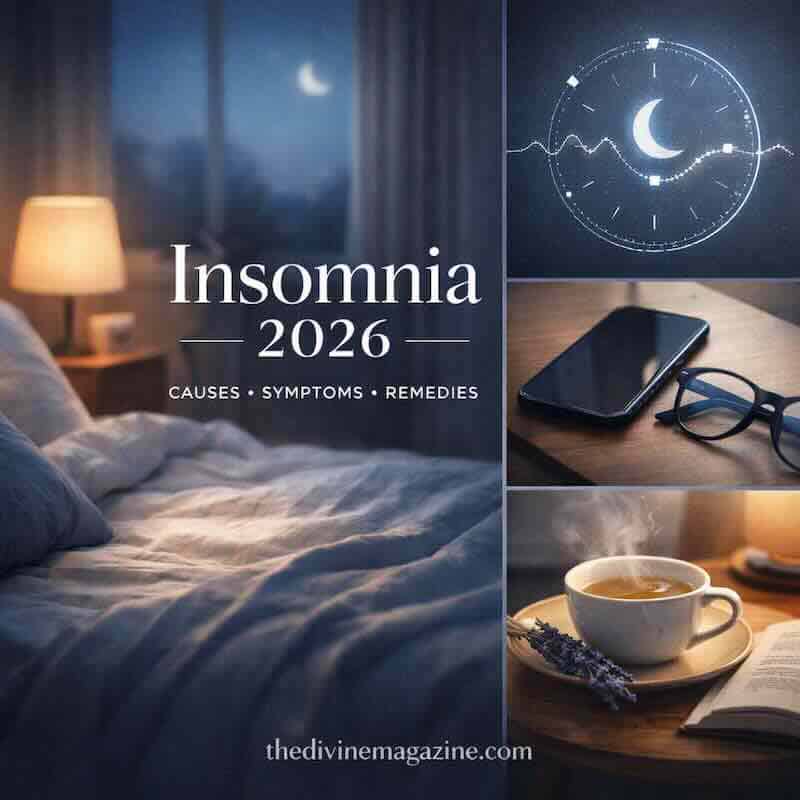
In 2026, insomnia remains one of the most common sleep disorders worldwide, affecting millions of people struggling to fall or stay asleep. It leads to non-restorative rest, daytime fatigue, and reduced cognitive performance. Chronic insomnia can also worsen existing health conditions, making early intervention essential. According to the Sleep Foundation and CDC Sleep Health, improving sleep hygiene and lifestyle habits is the most effective long-term strategy.
- Insomnia Symptoms
- How To Overcome Insomnia in 2026
- Make a Cozy Bed
- Exercise Regularly
- Limit Screen Time
- Avoid Stressful Situations
- Minimize Naps
- Reduce Caffeine and Alcohol
- Try Cognitive Behavioral Therapy (CBT-I)
- Avoid Eating Before Bed
- Conclusion
- FAQ: Insomnia and Sleep Health in 2026
- 1. What are the latest treatments for insomnia?
- 2. How much sleep do adults need in 2026?
- 3. Can technology help improve sleep?
- 4. What foods help you sleep better?
- 5. How does stress affect insomnia?
- 6. Are naps good or bad for insomnia?
- 7. What role does caffeine play in sleep disruption?
- 8. Is insomnia linked to mental health?
- 9. Are natural remedies effective for insomnia?
- 10. When should I see a doctor about insomnia?
Some people find it difficult to fall asleep even when exhausted, while others wake up in the middle of the night and struggle to return to sleep. For severe cases, medication may help — always ensure authenticity and safety when purchasing from verified sources such as buydiazepamuk. Delivery is discreet and fast, but consult a healthcare professional before starting any sleep medication.
Experts emphasize that insomnia is defined by sleep quality and daytime functioning, not just hours slept. Even if you sleep eight hours, poor sleep quality can still cause fatigue. For deeper insights, visit Mayo Clinic’s Insomnia Overview.
Insomnia Symptoms
- Difficulty falling asleep despite fatigue.
- Waking up multiple times during the night.
- Inability to fall back asleep after waking.
- Unrefreshing or non-restorative sleep.
- Dependence on alcohol or sleep aids.
- Early morning awakenings.
- Daytime sluggishness, irritability, or poor focus.
- Reduced concentration and memory.
How To Overcome Insomnia in 2026
Modern sleep science emphasizes environmental optimization, behavioral therapy, and digital detox. Creating a peaceful bedroom and consistent routine can dramatically improve sleep quality. Explore Sleep Hygiene Guidelines for evidence-based practices.
Make a Cozy Bed
Keep your bedroom cool, dark, and quiet. Use blackout curtains, eye masks, or white noise machines to block distractions. Experiment with mattress firmness and pillow types to find optimal comfort. For product recommendations, see Best Mattresses for Sleep Quality.
Exercise Regularly
Regular physical activity improves sleep depth and duration. Avoid intense workouts within three hours of bedtime. Consistency is key — wake up and sleep at the same time daily. Learn more from Healthline’s Exercise and Sleep Guide.
Limit Screen Time
Blue light from screens suppresses melatonin. Turn off devices at least one hour before bed. Replace scrolling with reading or meditation. Try apps like Headspace Sleepcasts or Calm Sleep Stories for relaxation.
Avoid Stressful Situations
Stress activates the nervous system, making sleep difficult. Avoid arguments, work emails, or social media before bed. Practice mindfulness or journaling to unwind. Explore Psychology Today’s Mindfulness Techniques.
Minimize Naps
Limit naps to 20–30 minutes before 3 p.m. Long or late naps disrupt nighttime sleep. Reinforce your body’s natural rhythm by maintaining consistent sleep cues. For circadian rhythm insights, visit Sleep Foundation’s Circadian Rhythm Guide.
Reduce Caffeine and Alcohol
Caffeine can linger for up to 24 hours, while alcohol disrupts REM sleep. Avoid both after mid-afternoon. For detailed effects, see NIH Research on Caffeine and Sleep.
Try Cognitive Behavioral Therapy (CBT-I)
CBT-I helps identify and change negative sleep patterns. It’s the gold standard for chronic insomnia treatment. Learn more from American Psychological Association and Sleep Foundation CBT-I Overview.
Avoid Eating Before Bed
Late-night meals can trigger digestion and heartburn, especially in those with GERD. Stop eating at least two hours before bedtime. For nutrition tips, visit Medical News Today’s Sleep-Friendly Foods.
Conclusion
In 2026, insomnia management focuses on holistic wellness — balancing environment, behavior, and mental health. Whether through CBT-I, improved sleep hygiene, or mindful technology use, consistent habits remain the cornerstone of restorative sleep. Prioritize calm evenings, limit stimulants, and create a bedroom that supports deep rest. For ongoing guidance, explore Sleep Foundation and WHO Sleep Health Resources.
FAQ: Insomnia and Sleep Health in 2026
1. What are the latest treatments for insomnia?
In 2026, digital Cognitive Behavioral Therapy for Insomnia (CBT‑I) remains the gold standard. AI‑guided sleep platforms like Sleepio and ShutEye personalize therapy sessions based on user data. For medication guidance, consult verified sources such as NHS Insomnia Treatment.
2. How much sleep do adults need in 2026?
Most adults require 7–9 hours of quality sleep per night. The focus has shifted toward sleep efficiency — how restorative your sleep is — rather than duration alone. Learn more from Sleep Foundation’s Sleep Duration Guide.
3. Can technology help improve sleep?
Yes. Smart devices like the Fitbit Sense 2 and Apple Watch Series 9 track sleep stages and stress levels. Apps such as Calm and Headspace offer guided meditations and sleep stories to promote relaxation.
4. What foods help you sleep better?
Foods rich in magnesium, melatonin, and tryptophan — such as almonds, kiwi, and chamomile tea — support better sleep. For a full list, visit Medical News Today’s Sleep‑Friendly Foods.
5. How does stress affect insomnia?
Stress activates the body’s fight‑or‑flight response, increasing cortisol and making it harder to fall asleep. Mindfulness and breathing exercises can help. Explore Psychology Today’s Mindfulness Techniques for practical guidance.
6. Are naps good or bad for insomnia?
Short naps (under 30 minutes) before 3 p.m. can boost alertness, but long or late naps disrupt nighttime sleep. For circadian rhythm insights, see Sleep Foundation’s Circadian Rhythm Guide.
7. What role does caffeine play in sleep disruption?
Caffeine can remain in your system for up to 24 hours, reducing deep sleep. Avoid coffee, tea, and energy drinks after 2 p.m. For scientific data, read NIH Research on Caffeine and Sleep.
8. Is insomnia linked to mental health?
Yes. Anxiety and depression often coexist with insomnia. Treating underlying mental health conditions can improve sleep quality. Learn more from American Psychological Association.
9. Are natural remedies effective for insomnia?
Herbal supplements like valerian root and melatonin can help mild cases, but consult your doctor before use. For evidence‑based reviews, visit Healthline’s Melatonin Guide.
10. When should I see a doctor about insomnia?
If sleep problems persist for more than 3 weeks or interfere with daily life, consult a healthcare professional. Find guidance at Mayo Clinic’s Insomnia Overview.