







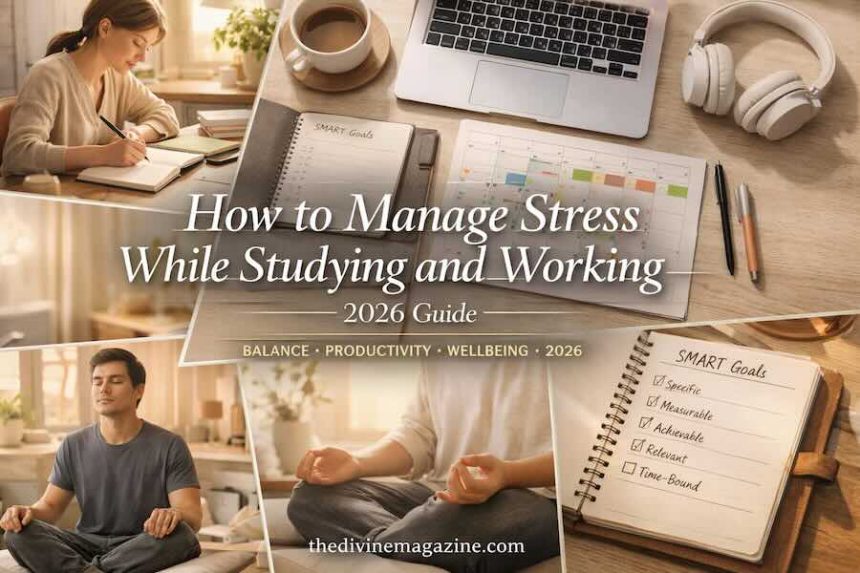

In 2026, balancing study and work remains one of the biggest challenges for students worldwide. The pressure to perform academically while maintaining a job can lead to burnout, anxiety, and fatigue. However, with the right strategies, you can manage stress effectively and maintain both productivity and wellbeing. Here are updated guidelines to help you stay focused and thrive in both areas.
Develop a Plan and Get Organized
Organization is the foundation of stress management. Keep your academic materials and work resources separate to avoid confusion. Use digital tools like Todoist or Notion to track assignments, deadlines, and work shifts. Color-code your calendar to distinguish between study and work tasks, and start assignments early to prevent last-minute pressure. For time-blocking techniques, explore Lifehack’s guide to time blocking.
Make Your Schedule More Flexible
Flexibility is key when juggling multiple responsibilities. While class times and work shifts may be fixed, you can still optimize your schedule. Consider online study options or hybrid learning programs that allow asynchronous participation. If your workplace offers flexible hours, use them strategically for study sessions. Apps like Google Calendar and Clockify can help you visualize and adjust your time effectively.
Set Priorities and Be Realistic
Time is a limited resource — and honesty with yourself is essential. Identify what truly matters each week and focus on those priorities. It’s okay to say no to extra commitments if they compromise your mental health. Balance study, work, and rest by scheduling downtime for exercise, socializing, or mindfulness. For mental health support, visit Mind UK or Psychology Today’s stress management resources.
Avoid Wasting Time
Time management is your greatest ally. Minimize distractions by setting boundaries around social media and leisure activities. Use focus apps like Forest or Freedom to block distractions during study hours. Choose housing or work locations close to campus to reduce commute time. Remember, relaxation is important — but intentional rest is different from procrastination.
Conclusion: Thriving in 2026 as a Student and Worker
In 2026, success as a student and employee depends on balance, planning, and self-awareness. By organizing your time, setting realistic goals, and maintaining flexibility, you can reduce stress and perform better in both areas. Remember that mental health is as important as academic achievement — prioritize rest, exercise, and social connection. With consistency and mindfulness, you can turn the challenge of studying and working into a rewarding experience.
FAQ: Managing Stress While Studying and Working (2026)
1. How can I manage burnout while studying and working?
Take regular breaks, maintain a consistent sleep schedule, and practice mindfulness. Apps like Headspace and Calm offer guided meditations to help reduce stress.
2. What’s the best way to balance deadlines?
Use digital planners and prioritize tasks based on urgency and importance. The Eisenhower Matrix is a great tool for visualizing priorities — learn more at Asana’s productivity guide.
3. How can I stay motivated when I’m exhausted?
Break tasks into smaller goals and reward yourself for progress. Listening to focus playlists on Spotify or taking short walks can help re‑energize your mind.
4. Should I tell my employer I’m a student?
Yes — transparency helps employers understand your schedule and may lead to flexible arrangements. Many workplaces now support education‑friendly policies.
5. How do I know if my stress levels are too high?
If you experience persistent fatigue, irritability, or difficulty concentrating, it may be time to seek help. Reach out to your university’s counseling center or visit WHO’s mental health resources.