






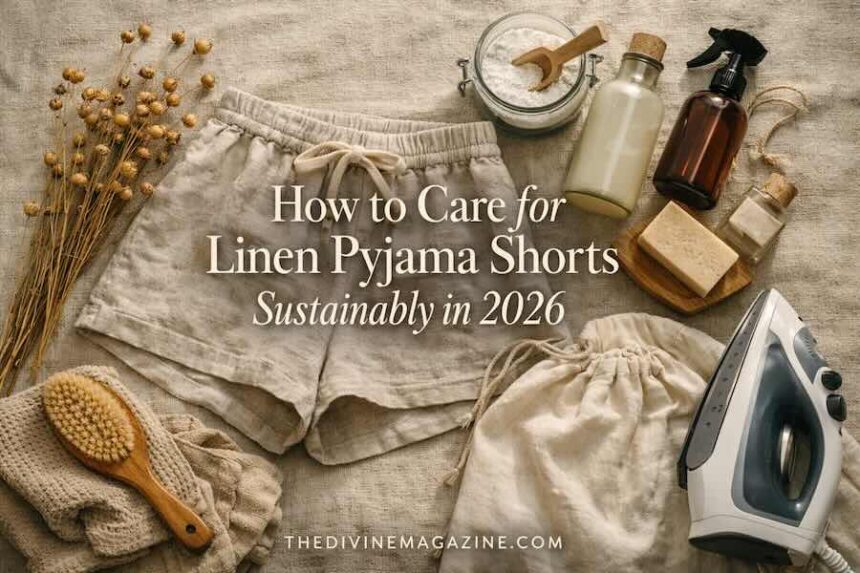
In 2026, sustainable living extends beyond what you buy—it’s about how you care for what you already own. Linen pyjama shorts, with their timeless comfort and eco-friendly origins, deserve thoughtful maintenance to stay beautiful for years.
Sustainable living is more than simply what you purchase—it also involves how you take care of your possessions, particularly your clothing collection. Maximizing the lifespan of your clothing is crucial, regardless of whether you invest in eco-friendly companies or occasionally buy fast fashion. This is especially true for items like linen pajama shorts.
Brands are responsible for choosing eco-friendly fabrics like linen and reducing production waste. Still, that’s only part of the process. You play a vital role in maintaining the look and feel of your linen pyjama shorts or shorts set. So, how can you take better care of your linen pajama shorts at home to make them last? Keep reading for expert care tips and sustainable insights.
The Science of Sustainable Linen
Linen comes from the flax plant—one of the most sustainable crops in the textile world. It requires minimal water and pesticides compared to cotton. Its cellulose fibers are naturally strong yet sensitive to heat and harsh chemicals. Understanding this helps you care for linen properly and extend its life. For deeper insight into linen’s sustainability, explore the UN’s report on the environmental cost of fashion and Vogue’s sustainable fabric guide.
How to Care for Your Linen
Linen pyjama shorts combine comfort and elegance, but their delicate fibers require mindful care. Follow these steps to preserve their softness and shape:
- Hand wash gently: Use lukewarm water and mild detergent. Soak for 20–30 minutes, swish lightly, and rinse with cool water to avoid residue.
- Machine wash wisely: Choose a gentle cycle with cold or lukewarm water and eco-friendly detergent. Avoid overloading the machine.
- Skip chlorine bleach: It weakens and discolors linen. Use oxygen-based stain removers for tough spots.
- Press out water gently: Never twist linen; instead, roll it in a towel to absorb excess moisture.
- Air dry naturally: Lay flat or hang in shade to prevent fading and maintain fiber integrity.
- Iron while damp: Use medium heat or steam, ironing inside out for a smooth finish. Lightly mist stubborn wrinkles before pressing.
Storage and Long-Term Preservation
Proper storage keeps linen fresh and breathable. Avoid plastic bags that trap moisture—opt for cotton or linen garment bags instead. Store in a cool, dry space away from direct sunlight. For more on sustainable textile preservation, visit the Ellen MacArthur Foundation and Common Objective’s clothing care guide.
Conclusion
By following these care tips, your linen pyjama shorts will remain soft, stylish, and sustainable for years. True eco-conscious living isn’t just about buying green—it’s about nurturing what you already own. Every gentle wash and mindful storage choice honors the resources behind your garments and supports a more sustainable future.
Frequently Asked Questions (FAQ)
Q: Why does linen get softer with every wash?
A: Linen fibers contain natural pectin that gradually breaks down with washing, increasing flexibility and softness without weakening the structure. This process enhances comfort over time.
Q: Should I use fabric softeners on linen shorts?
A: Avoid them. Fabric softeners coat fibers with residue that reduces breathability and moisture absorption. Instead, add a splash of white vinegar during the rinse cycle for natural softness.
Q: How can I remove wrinkles without an iron?
A: Hang your linen shorts in the bathroom while showering—the steam naturally relaxes fibers and smooths creases. You can also use a handheld steamer for quick touch-ups.
Q: What’s the best way to store linen for long periods?
A: Store linen in breathable cotton bags or boxes lined with acid-free tissue paper. Avoid plastic containers, which trap humidity and can cause yellowing or mildew.
Q: How can I make my linen care routine more sustainable?
A: Wash less frequently, use cold water, and line dry whenever possible. Choose biodegradable detergents and repair small tears instead of replacing garments. For eco-care inspiration, visit Good On You’s sustainable laundry guide.
In 2026, sustainable fashion begins at home—care for your linen with intention, and it will reward you with comfort, longevity, and timeless style.