







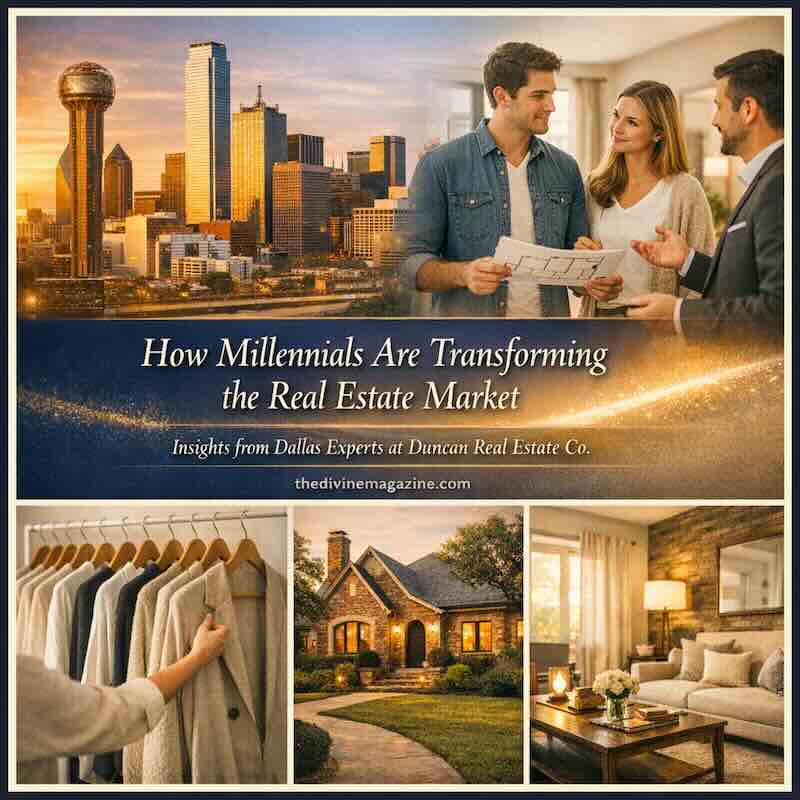
The real estate landscape is undergoing a profound transformation, largely shaped by the preferences and behaviors of millennials. Born between 1981 and 1996, this generation now represents the largest group of homebuyers, bringing fresh values and expectations to the housing market.
Key Takeaways:
- Millennials are delaying homeownership due to economic challenges and lifestyle preferences.
- Technological advancements have transformed the home-buying process for this generation.
- Urban living and sustainability are significant factors influencing millennial housing decisions.
- Financial constraints and student debt impact millennials’ ability to purchase homes.
- Millennials’ preferences are driving changes in real estate development and marketing strategies.
The real estate landscape is undergoing a significant transformation, largely driven by the preferences and behaviors of millennials. Born between 1981 and 1996, this generation is now the largest cohort of homebuyers, bringing unique values and expectations to the housing market. Real estate professionals, such as Dallas TX real estate experts Duncan Real Estate Co., are adapting to these shifts to better serve their clients. Led by Ty Duncan, a Dallas native with over eight years of experience, Duncan Real Estate Co. specializes in historic and luxury homes in areas like Kessler Park, Lakewood, and North Dallas. Their deep market knowledge and personalized approach make them a trusted resource for navigating the evolving real estate market.
Delaying Homeownership
Unlike previous generations, many millennials are postponing homeownership. Economic factors, such as student loan debt and the aftermath of the 2008 financial crisis, have made it challenging for them to save for down payments. Additionally, a preference for flexibility and experiences over material possessions has led many to opt for renting over buying. According to a Newsweek article, the average age of first-time homebuyers has risen, reflecting this trend.
This pattern of delaying homeownership has several ripple effects on the broader economy and the rental market. Larger numbers of millennials renting for longer periods have resulted in increased demand for high-quality rental properties, spurring property management companies and landlords to improve their offerings. Luxury apartment complexes with amenities such as gyms, coworking spaces, and dog parks have become increasingly popular, directly responding to millennial preferences. Furthermore, millennials are often prioritizing spending on travel, hobbies, and dining experiences, which is fundamentally shifting their savings strategies compared to previous generations who tended to prioritize early homeownership.
Embracing Technology in Home Buying
Millennials are digital natives, and their approach to home buying reflects this. They extensively use online platforms to research properties, compare prices, and even take virtual tours. This shift has compelled real estate agents and companies to enhance their online presence and offer digital services to meet the expectations of tech-savvy buyers. For instance, a Forbes article highlights how virtual reality and augmented reality are becoming integral tools in the real estate industry.
Social media platforms such as Instagram, TikTok, and Facebook also play a pivotal role in shaping the millennial homebuying journey. Real estate agents now utilize these channels to showcase listings, share market updates, and connect with potential buyers in a more engaging way. The use of digital signing tools, online mortgage calculators, and app-based communications is no longer considered cutting-edge, but rather essential for closing deals with millennial clients. Additionally, many millennials appreciate transparency and immediacy, which digital tools readily provide, from accessing real-time price trends to reading reviews of neighborhoods and agents.
Preference for Urban Living
Urban centers appeal to millennials due to their proximity to workplaces, cultural amenities, and public transportation. This preference has led to increased demand for housing in city areas, influencing real estate development to focus on urban projects. However, the high cost of urban living poses challenges, prompting some millennials to consider suburban areas that offer urban-like amenities. A report by the Urban Land Institute discusses how suburban areas are adapting to attract millennials by incorporating mixed-use developments and walkable communities.
Many cities have responded to this demand for urban-style living by revitalizing downtown areas and investing in infrastructure that makes city centers more livable and attractive. Features like bike lanes, pedestrian walkways, and vibrant public spaces appeal strongly to millennial sensibilities, supporting the desire for sustainability and a strong sense of community. This trend has also made transit-oriented developments and car-free housing more popular, as these configurations are often more convenient and environmentally friendly.
Prioritizing Sustainability
Environmental consciousness is a hallmark of the millennial generation. Many seek energy-efficient homes with sustainable features, such as solar panels and eco-friendly materials. This demand has encouraged builders and developers to incorporate green technologies and practices into their projects to attract millennial buyers. The National Association of Home Builders notes that millennials are willing to pay more for homes with sustainable features.
Millennials not only consider energy usage, but also factor in walkability scores, local food access, and the overall environmental impact of their daily commutes. Growing awareness of climate change has made issues like flood risk, wildfire risk, and air quality increasingly important in their home search criteria. Green certifications, such as LEED or ENERGY STAR, have become sought-after features that add value in the eyes of millennial shoppers. Additionally, home renovation projects frequently focus on sustainability, from installing smart thermostats to using recycled or locally sourced construction materials.
Financial Constraints and Student Debt
Student loan debt is a significant burden for many millennials, affecting their ability to save for home purchases. High housing prices and stringent mortgage requirements further complicate the path to homeownership. As a result, some millennials are exploring alternative housing options, such as co-living spaces or rent-to-own agreements. A CNBC report highlights how co-living spaces are gaining popularity among millennials seeking affordable housing solutions.
In addition to exploring alternative housing, many millennials are utilizing financial technology apps to help them budget, save, and plan for major purchases. Crowdfunding platforms and shared equity programs have emerged as innovative solutions, enabling some buyers to access funds for down payments in exchange for equity or future appreciation. These creative options are part of a broader trend of millennials actively seeking out resources and partnerships that allow them to achieve their homeownership dream in nontraditional ways while balancing debt repayment and the uncertainty of the job market.
Impact on Real Estate Development
The preferences of millennials are reshaping real estate development. There’s a growing emphasis on mixed-use developments that combine residential, commercial, and recreational spaces. Additionally, amenities like communal areas, fitness centers, and co-working spaces are becoming standard to cater to millennial lifestyles. The National Association of Realtors reports that developers are increasingly focusing on creating communities that offer a live-work-play environment to attract millennial buyers.
Architectural trends in new developments increasingly reflect millennial tastes, with open-concept layouts, flexible spaces, and modern finishes. Community gardens, pet-friendly facilities, and locally owned retail spaces also help cultivate a sense of place that appeals to millennials searching for authenticity and neighborhood connection. Real estate marketing efforts, meanwhile, are adapting by focusing on storytelling, high-quality photography, and community engagement rather than just property features or price.
Conclusion
Millennials are undeniably influencing the real estate market with their unique preferences and challenges. Understanding these factors is crucial for real estate professionals aiming to meet the needs of this generation. For those seeking guidance in navigating these evolving trends, consulting with experienced professionals can be invaluable. For instance, Dallas TX real estate experts Duncan Real Estate Co. offer comprehensive services tailored to the modern homebuyer, leveraging their deep understanding of the market to assist clients effectively.
As millennials continue to shape the future of real estate, their impact will likely extend beyond current trends, promoting further innovation in design, finance, and sustainability. Real estate professionals, developers, and communities who pay attention to these evolving desires are best positioned to thrive in this dynamic marketplace. With continued adaptation and focus on millennials’ motivations, the real estate industry can offer opportunities that resonate with this influential generation for years to come.