







Key Takeaways
- Regular maintenance and timely filter replacements are essential for optimal HVAC performance.
- Smart thermostats and proper insulation significantly contribute to energy efficiency.
- Professional inspections help identify and address potential issues before they escalate.
Keeping your home comfortable year-round depends on the performance and efficiency of your HVAC system. Using the right strategies can improve your comfort, reduce your monthly energy bills, and help your system last longer. Whether your goal is to create a cozy environment in winter or maintain cool air in the heat of summer, working with trusted professionals like TSS HVAC ensures you implement best practices for maintenance and upgrades.
- Key Takeaways
- Regular Maintenance: The Foundation of Efficiency
- Smart Thermostats: Precision Control for Comfort
- Insulation: Keeping the Elements at Bay
- Filter Replacement: A Simple Yet Crucial Task
- Professional Inspections: Catching Issues Early
- Vent Management: Ensuring Proper Airflow
- Energy-Efficient Upgrades: Investing in the Future
- Final Thoughts
Efficient HVAC systems reduce energy waste and provide consistent temperatures throughout your home. From regular check-ups to adopting the latest technologies, the right approach will keep your system running at its best and protect your investment. By following proven steps, homeowners can optimize HVAC performance and enjoy dependable climate control year-round.
Learning how to maintain your HVAC system and when to seek professional help is essential for anyone hoping to keep utility expenses manageable. Minor home improvements, such as sealing leaks and upgrading thermostat controls, also contribute to greater comfort. Ultimately, a focus on energy efficiency and routine care benefits both your home environment and your wallet.
Regular Maintenance: The Foundation of Efficiency
Routine maintenance is essential for high HVAC performance. Homeowners should schedule professional tune-ups twice a year: once before the cooling season and again before heating season. Technicians will check critical components, test safety controls, and ensure proper settings for efficient performance. Consistent servicing prevents major breakdowns and extends your system’s lifespan, saving you money in the long run.
Smart Thermostats: Precision Control for Comfort
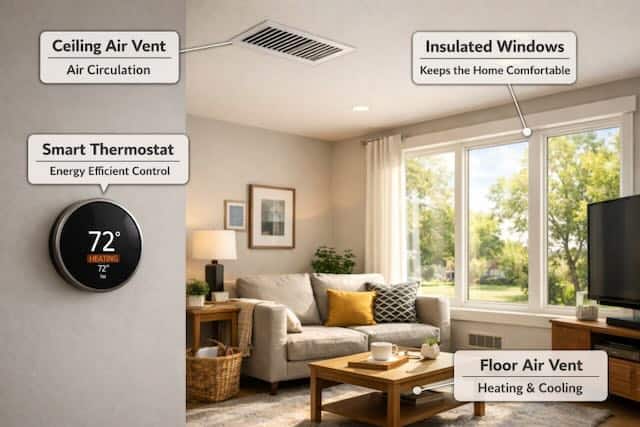
Installing a smart thermostat empowers you with customized temperature control. These modern devices monitor your patterns and automatically adapt to your schedule, offering more comfort for less energy use. The U.S. Department of Energy highlights that simply adjusting your thermostat 7°F to 10°F for 8 hours a day can lead to up to 10 percent annual savings on heating and cooling costs. Some smart thermostats even provide energy reports and maintenance reminders, enhancing home management and awareness.
Insulation: Keeping the Elements at Bay
Insulation is a silent contributor to home comfort and HVAC efficiency. When your home’s walls, attic, and windows are well-insulated, your system does not have to work as hard to maintain consistent indoor temperatures. Sealing air leaks and adding insulation where needed not only enhances comfort but also delivers measurable savings on energy bills. Proper weatherstripping around doors and caulking around windows are simple yet effective improvements that reduce drafts and energy waste.
Filter Replacement: A Simple Yet Crucial Task
Replacing your HVAC filters at least every 90 days is one of the easiest ways to keep your system running efficiently. During peak usage periods, such as summer and winter, monthly replacement may be necessary—especially if you have pets or smoke indoors. Dirty or clogged filters restrict airflow, force the system to work harder, and allow dust and allergens to recirculate, according to the Environmental Protection Agency. Clean filters protect your investment and improve indoor air quality for your entire household.
Professional Inspections: Catching Issues Early
Licensed HVAC professionals spot potential issues before they evolve into expensive repairs. A typical inspection involves cleaning coils, checking refrigerant levels, testing safety features, and calibrating controls. Technicians can also spot early signs of wear and tear that could lead to emergencies later. Preventive maintenance is a smart investment that helps you avoid disruptions and prolong your HVAC system’s lifespan.
Vent Management: Ensuring Proper Airflow
Vents should remain open and clear of obstructions in every frequently used room. Closing vents to redirect airflow or block unoccupied areas may seem logical, but can create pressure imbalances and damage your HVAC equipment. Instead, consider zoning systems or install smart vents to fine-tune airflow for ideal comfort and energy savings.
Energy-Efficient Upgrades: Investing in the Future
When your HVAC system nears the end of its serviceable life, replacing it with an ENERGY STAR® certified model can drastically reduce energy consumption while improving comfort. Look for systems with variable-speed motors and advanced compressors for more accurate temperature control and lower utility bills. Additionally, modern systems offer quieter operation and advanced humidity control, further enhancing indoor comfort.
Final Thoughts
Prioritizing regular maintenance, adopting smart thermostat technology, improving insulation, staying ahead with filter changes, scheduling professional inspections, and using proper vent management practices all help you maintain optimal comfort and efficiency at home. Upgrading to energy-efficient HVAC models when needed is a smart, long-term investment. Taking these steps means enjoying lower bills, greater comfort, and a system that serves your home dependably year-round.