







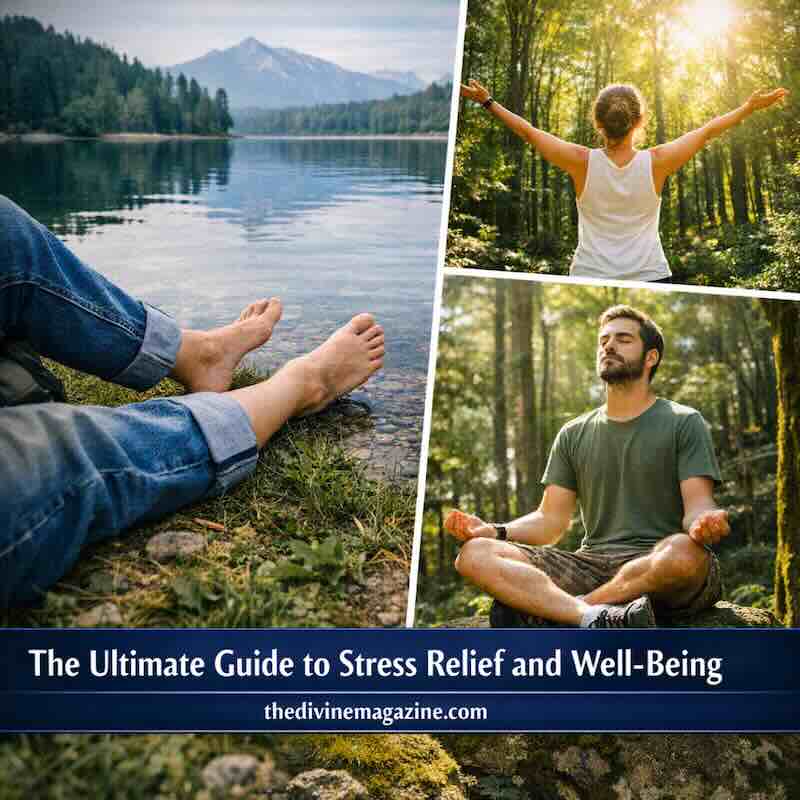
In 2026, stress feels almost built into modern life — but nature still offers one of the most powerful, accessible ways to reset. By tapping into nature’s inherent wisdom and simple grounding practices, you can discover effective tools for rejuvenation, emotional balance, and long-term well-being.
- Understanding Stress and Its Impact
- Nature’s Role in Stress Relief
- Techniques for Effective Stress Relief
- Long-Term Strategies for Well-Being
- Conclusion
- FAQ
- Q: What is earthing and how does it help with stress?
- Q: Can spending time in nature really improve my mental health?
- Q: How much time do I need to spend outside to feel a difference?
- Q: Do I need special grounding products to practice earthing?
- Q: Is nature-based stress relief a replacement for professional help?
Understanding Stress and Its Impact
At some point, you’ve likely felt completely overwhelmed by stress. In today’s hyper-connected world, it can seem unavoidable. Understanding what stress does to your body and mind — and recognizing your personal triggers — is the first step toward managing it in a healthier way.
The Science of Stress
Stress is your body’s response to perceived threats or challenges, often called the “fight or flight” response. When you feel stressed, your brain releases hormones like cortisol and adrenaline to prepare you for action. While this response is helpful in short bursts, chronic stress can contribute to anxiety, depression, sleep problems, and physical health issues. You can learn more about how stress affects the body from trusted sources like the American Psychological Association.
Common Triggers of Stress
Work deadlines, financial pressure, family responsibilities, and constant digital notifications are all common stressors. Environmental factors like noise, crowded spaces, and social media overload can intensify these feelings, leaving you drained and unfocused.
Relationship conflicts, health concerns, and major life changes also play a major role. Identifying your personal triggers allows you to respond more intentionally instead of reacting automatically. Combining this awareness with nature-based practices — such as grounding or “earthing” — can help you regulate your stress response more effectively.
Nature’s Role in Stress Relief
Many of us underestimate how deeply nature supports our mental and physical health. Stepping into a forest, walking along the beach, or simply sitting under a tree can create a powerful shift in your nervous system. Time outdoors offers a break from constant stimulation and helps you reconnect with yourself.
The Connection Between Nature and Well-Being
Research shows that spending time in nature can reduce symptoms of anxiety and depression, improve mood, and support emotional regulation. This connection is at the heart of practices like forest bathing (shinrin-yoku), which emphasizes slow, mindful immersion in natural environments. When you allow yourself to be fully present outdoors, your body and mind naturally begin to unwind.
The Benefits of Green Spaces
City parks, gardens, and forests act as natural sanctuaries. Studies suggest that even short visits to green spaces can lower cortisol levels, reduce blood pressure, and improve immune function. A brief walk in a park, a quiet moment on a bench, or time spent tending plants can all help counteract the physiological effects of stress.
Even small doses of nature matter. Looking at trees from your window, sitting on a balcony with plants, or taking a quick walk around the block can positively influence mood and cognitive function. Nature isn’t a luxury — it’s a vital component of long-term well-being.
Techniques for Effective Stress Relief
While there are many stress management tools available today, nature-based practices remain some of the most grounding and sustainable. Integrating outdoor time and simple earthing techniques into your routine can help you feel calmer, clearer, and more centered.
Mindfulness and Meditation in Nature
Mindfulness is the practice of paying attention to the present moment without judgment. When you bring mindfulness into natural settings, its benefits are amplified. Try sitting quietly in a park, focusing on your breath while noticing the sounds of birds, the feel of the wind, or the warmth of the sun.
Guided outdoor meditations, nature-based breathing exercises, or simply walking slowly and observing your surroundings can all help calm your nervous system. For inspiration, you can explore free mindfulness resources from organizations like Mindful.org.
Activities to Engage With the Outdoors
The outdoors offers endless ways to relieve stress and recharge. Walking, hiking, gardening, picnicking, birdwatching, outdoor yoga, or simply lying on the grass and watching the sky can all help you reconnect with the Earth.
Choose activities that genuinely resonate with you: exploring local trails, visiting a nearby lake, or taking your morning coffee outside. Grounding practices — like standing barefoot on grass or sand — can deepen this connection by allowing you to physically feel the Earth beneath you.
Long-Term Strategies for Well-Being
Quick fixes may offer temporary relief, but long-term well-being comes from consistent, supportive habits. Building a nature-centric lifestyle can help you create a more resilient mind and body over time.
Creating a Nature-Centric Lifestyle
Small, intentional choices can make nature a regular part of your life. Schedule weekly walks in a park, plan weekend hikes, grow herbs on your windowsill, or take work breaks outside whenever possible. Over time, these habits can boost your mood, energy, and sense of connection.
Consider combining nature time with other healthy practices like journaling, stretching, or digital detox periods. This layered approach supports both your nervous system and your overall lifestyle.
Building Resilience Through Nature Experiences
Regular exposure to natural environments can strengthen your ability to cope with life’s challenges. People who spend more time outdoors often report fewer symptoms of anxiety and depression and a greater sense of emotional stability.
By prioritizing nature experiences — even brief ones — you give yourself a reliable way to reset when life feels overwhelming. Over time, this builds resilience, helping you navigate stress with more clarity and confidence.
Conclusion
In 2026, when screens and schedules dominate daily life, reconnecting with nature is more important than ever. Grounding practices, mindful time outdoors, and a nature-centric lifestyle offer powerful, accessible ways to reduce stress and support long-term well-being. By making space for the Earth in your routine — whether through earthing, walking, or simply sitting under a tree — you’re not just managing stress; you’re rebuilding a deeper, more healing relationship with the world around you.
FAQ
Q: What is earthing and how does it help with stress?
A: Earthing, or grounding, is the practice of physically connecting with the Earth’s surface — for example, by walking barefoot on grass, sand, or soil. Many people report feeling calmer, sleeping better, and experiencing less tension after regular grounding sessions. While research is still emerging, earthing encourages time outdoors and mindfulness, both of which are known to support stress relief.
Q: Can spending time in nature really improve my mental health?
A: Yes. Studies suggest that time in nature can reduce symptoms of anxiety and depression, improve mood, and enhance focus. Organizations like the Mental Health America and various nature-therapy programs highlight outdoor time as a valuable part of a holistic mental health routine.
Q: How much time do I need to spend outside to feel a difference?
A: Even short periods — 10 to 20 minutes a few times a week — can make a noticeable difference. Longer or more frequent sessions may deepen the benefits, but consistency matters more than perfection. Start small and build from there.
Q: Do I need special grounding products to practice earthing?
A: No. You can practice earthing simply by going outside and making direct contact with natural surfaces. Grounding products like mats or sheets can be convenient for indoor use, but they’re optional. The most important part is regular, intentional connection with nature in a way that feels safe and comfortable for you.
Q: Is nature-based stress relief a replacement for professional help?
A: Nature-based practices are a powerful complement to other forms of support, but they are not a substitute for professional care. If you’re struggling with significant stress, anxiety, or depression, it’s important to speak with a qualified healthcare or mental health professional. Nature can support your healing, but you don’t have to navigate everything alone.