







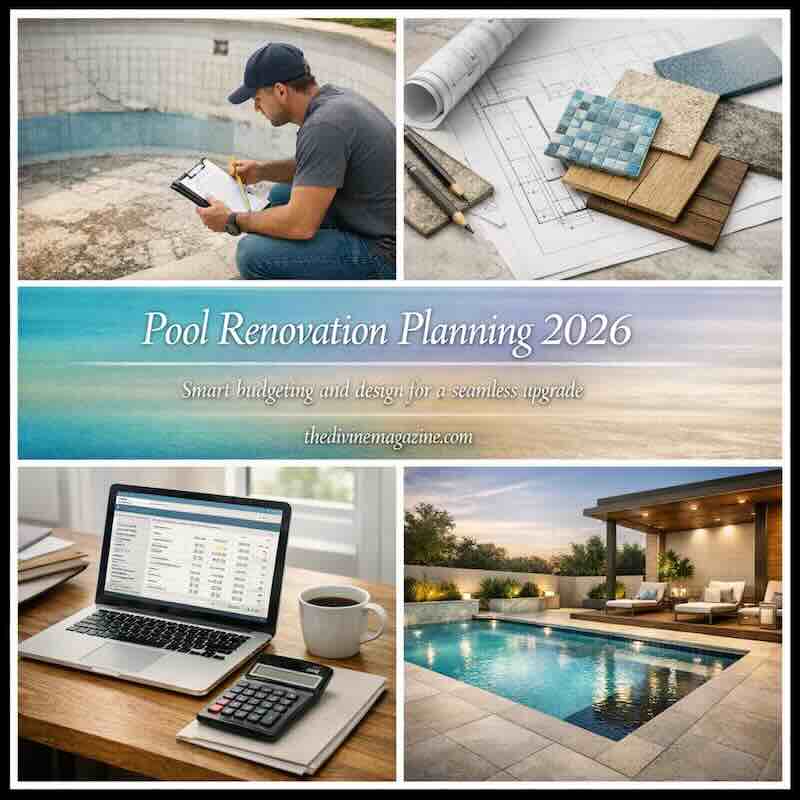
Planning and budgeting for a pool renovation requires a clear understanding of scope, materials, and long-term maintenance needs. Homeowners often begin by assessing the pool’s current condition and identifying structural issues, outdated finishes, or inefficient systems that may need upgrading. Establishing realistic goals early helps align design preferences with financial limits, preventing unexpected costs during construction. A well-structured plan also considers labor, permits, and potential contingencies, ensuring the renovation process remains organized and cost-effective from start to finish.
Budgeting effectively also involves comparing different renovation approaches and understanding how design choices influence overall cost. Detailed service descriptions can help clarify what is included in a full renovation, such as resurfacing, equipment upgrades, and structural improvements. For example, resources like https://www.poolrenovation.com/products-services/complete-pool-renovation/ provide general insights into what a comprehensive pool renovation may involve, helping homeowners better anticipate expenses and plan accordingly without committing to specific providers or service options. Careful planning at this stage helps ensure the renovation stays aligned with both functional needs and long-term maintenance expectations.
Assess Your Current Pool Condition
Before embarking on a renovation, it is essential to evaluate the pool’s current state. This involves a detailed check for visible issues such as cracks in the shell, leaks, worn pool finishes, malfunctioning pumps, or outdated filtration systems. These signs of wear can escalate if left unaddressed. To identify less obvious problems, such as structural deficiencies or underlying plumbing issues, consider hiring a pool professional for an in-depth evaluation. Their trained eye can help pinpoint critical hidden repairs for long-term performance.
Define Your Renovation Goals
Setting clear objectives will help guide every stage of your project. Are you prioritizing visual improvements, higher energy efficiency, or new amenities such as LED lighting, a spa section, or a shallow lounge area? Outlining your renovation goals ensures your budget and plans are aligned from the start. Carefully defined goals also keep your project focused when faced with choices regarding new features or materials, avoiding costly detours or unplanned upgrades.
Set a Realistic Budget
Having an honest and informed budget is the backbone of any successful pool renovation. Account for all components, including demolition, new materials, installation, labor, permits, and unforeseen costs. Researching standard costs for remodeling tasks is invaluable. For example, a pool remodel costs $10,133 on average, but you could spend anywhere between $1,600 and $29,500 depending on the type and size of the pool, materials, features, and the scope of the project. Get multiple quotes for comparison and include all foreseeable expenses to create a comprehensive budget plan.
Prioritize Essential Upgrades
With your budget in place, identify which upgrades are absolutely necessary. Start by addressing structural repairs and outdated plumbing or electrical systems, as these can dramatically impact the pool’s safety and performance. Once these foundational elements are in place, essential mechanical equipment, such as pumps, filters, and heating systems, should be reviewed for replacement or upgrade. Only after the basics are handled should you consider adding features like new tile, updated decking, or custom lighting.
Choose Quality Materials
While it may be tempting to cut costs by opting for cheaper materials, high-quality finishes and equipment will save money in the long run by reducing maintenance and extending your pool’s lifespan. For example, advanced plaster or pebble finishes, energy-efficient lighting, and robust filtration systems can make ongoing upkeep easier and more affordable. Quality materials reduce the frequency of future repairs and enhance the overall value of your investment.
Hire a Professional Contractor
The experience and expertise of your pool contractor play a major role in the project’s success. Choose a contractor with a strong track record and positive client reviews. Checking credentials, verifying licenses, and asking for recent references can help you make an informed selection. Reliable professionals not only guarantee workmanship that meets safety codes and industry standards but also offer advice that can further optimize your investment and prevent unforeseen issues.
Plan for Unexpected Costs
No renovation goes exactly as planned. Hidden issues such as poor soil conditions, outdated wiring, or plumbing failures may surface once the renovation begins. Experts recommend allocating an additional 10 to 15 percent of your budget to handle these surprises. Proper contingency planning means you will not be caught off guard financially if you need to address urgent repairs or new code requirements. For additional tips, consult advice from reputable sources like Angi, known for comprehensive home improvement information.
Schedule Your Renovation
The timing of your renovation can affect both the project’s cost and its overall smoothness. Scheduling work during the off-season, when contractors are more available, can lead to cost savings or promotional discounts. Favorable weather conditions are also key; avoid rainy periods and aim for dry, mild weather to prevent project delays. Setting a realistic timeline and factoring in material lead times will help your project stay on schedule and stress-free.
Conclusion
By planning each stage of your pool renovation with diligence, from initial assessment through to the final schedule, you will create a revitalized, functional, and visually stunning outdoor retreat that remains within budget and stands the test of time. Focusing on quality, professional guidance, and adaptability will ensure the process feels rewarding and meets your expectations.