







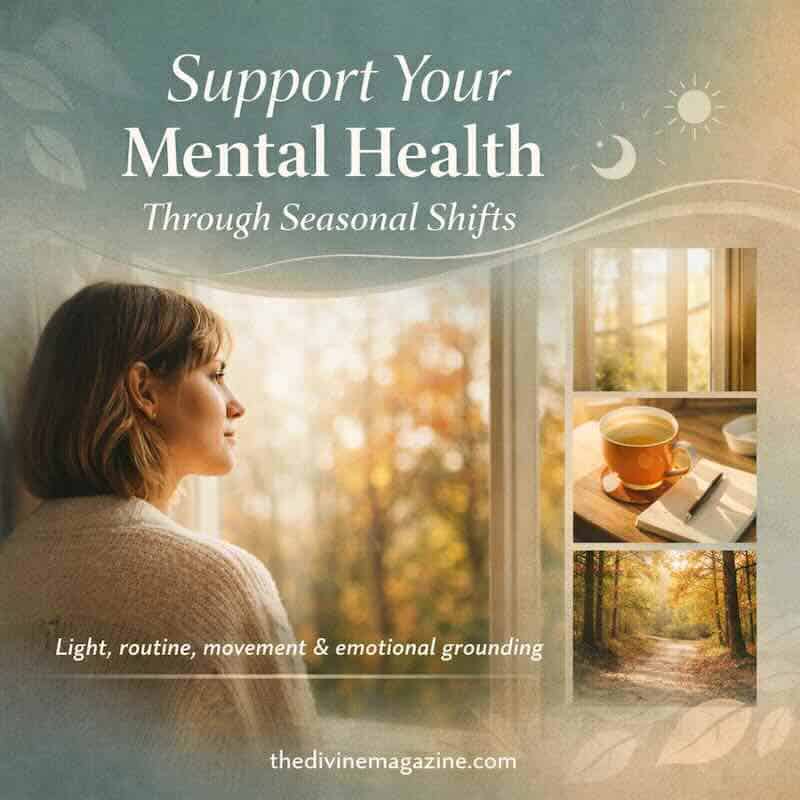
Seasonal shifts can quietly reshape how you feel, think, and move through your days. As light, temperature, and routines change, your mood, energy, and focus may shift too — sometimes in subtle ways, sometimes in ways that feel overwhelming. Understanding these patterns is a powerful step toward supporting your mental health all year round.
- Why Seasonal Shifts Affect Mental Health
- Step One: Notice Your Seasonal Patterns
- Supportive Strategies for Every Season
- 1. Work With the Light
- 2. Protect Your Routine
- 3. Move Your Body in Season-Friendly Ways
- 4. Support Sleep Across the Seasons
- 5. Stay Connected, Even When You Want to Withdraw
- Season-by-Season Considerations
- When to Seek Professional Support
- Conclusion: Working With, Not Against, the Seasons
- FAQ: Supporting Your Mental Health Through Seasonal Shifts
- 1. How do I know if I have Seasonal Affective Disorder (SAD) or just “winter blues”?
- 2. Can lifestyle changes alone manage seasonal mood shifts?
- 3. Is light therapy safe for everyone?
- 4. What if I feel worse in spring or summer instead of winter?
- 5. How can I support a friend or family member who struggles with seasonal changes?
Changes in daylight, weather, and social rhythms can influence mental health conditions such as depression, anxiety, ADHD, and Seasonal Affective Disorder (SAD). Shorter days in autumn and winter can disrupt circadian rhythms and affect serotonin and melatonin, while heat and overstimulation in summer can increase irritability or anxiety. Learning how seasons affect you personally can help you plan ahead and build resilience through each transition.
While this guide offers general strategies, it is not a substitute for professional care. If you notice persistent or worsening symptoms, thoughts of self-harm, or major changes in sleep, appetite, or functioning, it’s important to speak with a qualified healthcare professional or mental health provider for tailored support.
Why Seasonal Shifts Affect Mental Health
Our bodies and minds are deeply connected to environmental cues like light and temperature. Reduced sunlight in autumn and winter can lower serotonin levels and disrupt melatonin, which may contribute to low mood, fatigue, and sleep changes. In contrast, longer days and higher temperatures in spring and summer can bring more energy for some people, but also anxiety, sensory overload, or pressure to be “on” and social.
Some people experience a specific pattern known as Seasonal Affective Disorder (SAD), a form of depression that typically appears during low-light months and improves when daylight increases. You can learn more about SAD and seasonal mood changes from the National Institute of Mental Health and the Mayo Clinic.
Step One: Notice Your Seasonal Patterns
Before you change anything, start by observing. Do you feel more tired or withdrawn in late autumn? More restless or anxious in early spring? Keeping a simple mood and energy journal for a few weeks during each season can help you spot patterns. Note your sleep, appetite, social contact, movement, and overall mood.
If you already live with a mental health condition, seasonal shifts may amplify existing symptoms. Recognizing this in advance allows you to plan small adjustments — like booking therapy sessions ahead of winter, or setting boundaries around summer social demands — rather than reacting only when you feel overwhelmed.
Supportive Strategies for Every Season
1. Work With the Light
Light is one of the strongest regulators of your internal clock. When possible, aim for natural daylight exposure within the first couple of hours after waking — even 10–20 minutes by a window or outside can help anchor your circadian rhythm. During darker months, some people find benefit in using a light therapy box; this should always be discussed with a healthcare professional first, especially if you have eye conditions or bipolar disorder.
For more on light and mood, see resources from the American Psychiatric Association and NHS guidance on SAD.
2. Protect Your Routine
Seasonal transitions often disrupt routines — holidays, school breaks, travel, and changing daylight can all shift your schedule. A consistent framework for sleep, meals, movement, and work or study can provide stability when everything else feels in flux. Try to keep regular wake and sleep times, even on weekends, and anchor your day with a few predictable habits like a morning walk or evening wind-down ritual.
Routines don’t have to be rigid; think of them as supportive scaffolding. If you know winter tends to slow you down, you might intentionally schedule lighter workloads or more rest. If summer brings social overload, you might block off “quiet evenings” in your calendar in advance.
3. Move Your Body in Season-Friendly Ways
Movement can help regulate mood, sleep, and stress — but it doesn’t have to look like intense workouts. In colder months, indoor options like yoga, stretching, dance, or short home workouts can be more realistic. In warmer seasons, gentle outdoor activities such as walking, cycling, or swimming can combine movement with light exposure.
If you’re unsure where to start, organizations like the Mental Health Foundation and the American Psychological Association share evidence-based information on physical activity and mental health.
4. Support Sleep Across the Seasons
Seasonal changes can disrupt sleep — darker mornings may make it harder to wake up, while lighter evenings can delay bedtime. Aim for a wind-down routine that signals “sleep time” regardless of the season: dim lights, reduce screens, and keep your bedroom as cool, dark, and quiet as possible. If you notice persistent insomnia or oversleeping, it’s important to discuss this with a healthcare professional, as sleep changes can be part of conditions like depression or SAD.
For practical sleep guidance, see resources from the Sleep Foundation and your local health services.
5. Stay Connected, Even When You Want to Withdraw
Colder, darker months can make it tempting to isolate, while hotter, busier months can leave you feeling socially drained. Both extremes can affect mental health. Consider small, sustainable ways to stay connected: a weekly call with a friend, a low-pressure walk with someone you trust, or joining an online or local group that matches your interests.
Social support is a protective factor for mental health. If in-person connection is difficult, online communities and peer support spaces — especially those moderated by reputable organizations like NAMI or your country’s mental health charities — can offer a sense of belonging.
Season-by-Season Considerations
Autumn & Winter
Shorter days and colder weather can bring lower energy, sadness, or increased sleep. Planning ahead can help: schedule light exposure, keep a gentle movement routine, and build in social contact before the season starts. If you notice recurring low mood each year, talk with a healthcare professional about whether a seasonal pattern might be present and what options (including therapy or other treatments) might be appropriate for you.
Spring & Summer
While many people feel better as days lengthen, others experience heightened anxiety, sensory overload, or pressure to be constantly active. You might need more boundaries around social plans, more breaks from heat and noise, or clearer digital boundaries to avoid comparison and “productivity” pressure. It’s valid if brighter seasons are not automatically easier for you.
When to Seek Professional Support
If seasonal changes bring persistent sadness, loss of interest in activities, major sleep or appetite changes, difficulty functioning at work or home, or thoughts of self-harm, it’s important to reach out to a qualified professional. A doctor, psychologist, or licensed therapist can help you understand what you’re experiencing and discuss options such as psychotherapy, lifestyle adjustments, or other treatments.
You can learn more about mental health conditions and treatment options from the World Health Organization and the National Institute of Mental Health. If you’re in immediate crisis or worried about your safety, contact local emergency services or crisis support in your area right away.
Conclusion: Working With, Not Against, the Seasons
Seasonal shifts are inevitable — but feeling overwhelmed by them doesn’t have to be. By noticing your patterns, supporting your sleep and routines, working with light and movement, and staying connected to others, you can create a more stable foundation across the year. When needed, professional support can add another layer of safety and guidance.
You don’t have to “power through” every seasonal change alone. Small, consistent adjustments — and the willingness to ask for help — can make each transition more manageable and help you feel more grounded, whatever the weather is doing outside.
FAQ: Supporting Your Mental Health Through Seasonal Shifts
1. How do I know if I have Seasonal Affective Disorder (SAD) or just “winter blues”?
SAD involves recurring depressive episodes that follow a seasonal pattern and significantly affect daily functioning. “Winter blues” may feel like mild low mood or tiredness but usually doesn’t impair your ability to work, study, or care for yourself. Only a qualified healthcare professional can assess and diagnose SAD, so if you’re unsure, it’s important to book an appointment and discuss your symptoms.
2. Can lifestyle changes alone manage seasonal mood shifts?
For some people, adjustments like more light exposure, regular movement, and structured routines can ease mild seasonal mood changes. However, lifestyle changes are not a replacement for professional care when symptoms are moderate to severe, persistent, or affecting your ability to function. A healthcare professional can help you decide what combination of strategies makes sense for you.
3. Is light therapy safe for everyone?
Light therapy can be helpful for some people with seasonal patterns, but it is not suitable for everyone. Individuals with certain eye conditions, bipolar disorder, or specific medical issues may need alternative approaches. Always speak with a doctor or mental health professional before starting light therapy so they can advise you based on your health history.
4. What if I feel worse in spring or summer instead of winter?
Not everyone struggles most in winter. Some people experience more anxiety, agitation, or low mood in brighter months due to heat, social pressure, or disrupted routines. Your experience is valid, and it’s important to share these patterns with a professional. They can help you explore what might be driving your symptoms and what support options are available.
5. How can I support a friend or family member who struggles with seasonal changes?
Start by listening without judgment and asking what feels most supportive to them — practical help, regular check-ins, or company for walks or appointments. Encourage them to speak with a healthcare professional if their symptoms are persistent or worsening. You can also learn more about seasonal mental health from reputable organizations so you better understand what they might be experiencing.
Remember: noticing seasonal shifts in your mental health is not a failure — it’s information. With that information, you can make choices, seek support, and build habits that help you move through each season with more steadiness and self-compassion.