







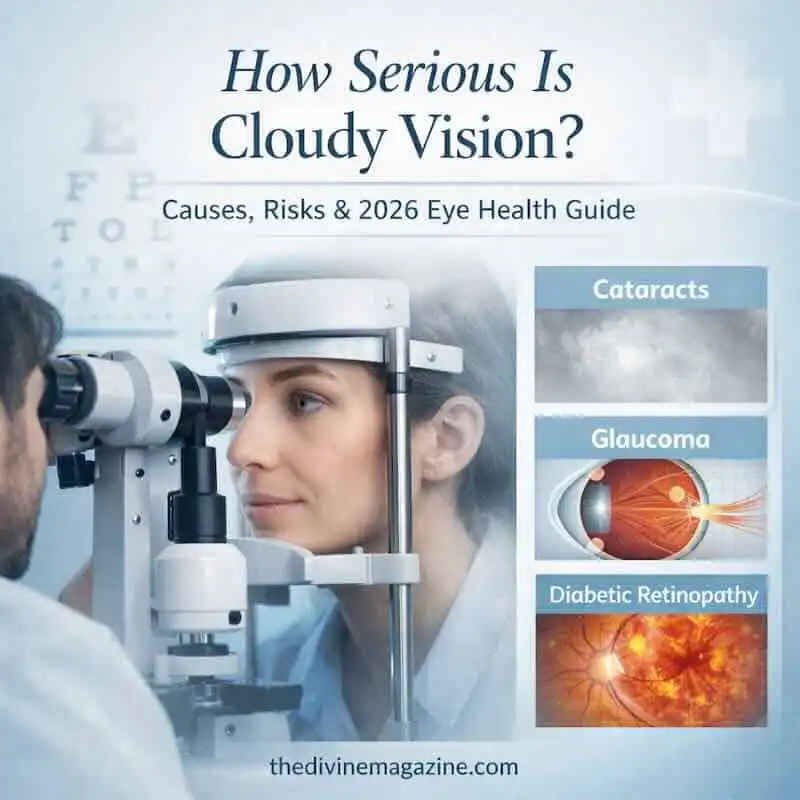
Did you know that over 2.2 billion people worldwide suffer from eye and vision issues? In 2026, eye health experts continue to warn that untreated vision changes — especially cloudy or hazy vision — can signal serious underlying conditions that require prompt medical attention.
Cloudy vision is more than an inconvenience. Clear sight is essential for safety, independence, and overall quality of life. When your vision becomes hazy, everyday tasks like driving, reading, or recognizing faces can become difficult or even dangerous.
If ignored, cloudy vision can worsen and lead to long-term complications. In some cases, it may indicate progressive eye diseases that can cause permanent damage or even blindness. That’s why early evaluation by an eye care professional is crucial.
So, how serious is cloudy vision in 2026? Let’s break down what you need to know.
What Is Cloudy Vision?
Cloudy vision occurs when your eyesight becomes hazy, foggy, or less sharp. It may feel like you’re looking through a dirty window or a layer of mist. This symptom can appear gradually or suddenly and may be accompanied by pain, redness, or sensitivity to light.
Cloudy eyesight can interfere with daily activities and may be an early warning sign of a more serious condition. According to updated 2026 clinical guidance from the American Academy of Ophthalmology, any sudden change in vision should be evaluated immediately.
Common Causes of Cloudy Vision
Several eye conditions can cause cloudy or hazy vision. Here are the most common causes in 2026:
Cataracts
Cataracts occur when the eye’s natural lens becomes cloudy. They remain one of the leading causes of cloudy vision worldwide. Symptoms may include dull colors, glare, halos, and difficulty seeing at night.
Regular eye exams and early detection are essential. Surgery is the only effective treatment, and modern cataract procedures in 2026 are safer and more precise than ever. If you’re at the average age for cataract surgery and noticing haziness, consult your eye doctor promptly.
Glaucoma
Glaucoma increases pressure inside the eye, damaging the optic nerve. While not all cases cause cloudy vision, many patients report haziness, halos, and peripheral vision loss. Without treatment, glaucoma can lead to irreversible blindness.
Early diagnosis is critical. Learn more from the Glaucoma Research Foundation.
Diabetic Retinopathy
Diabetes can damage the retina’s blood vessels, causing cloudy or distorted vision. This condition is progressive and may lead to blindness if untreated. Regular eye exams are essential for anyone with diabetes.
Keratitis (Corneal Inflammation)
Keratitis can cause swelling, irritation, and cloudy vision. It may result from infection, injury, or contact lens misuse. Severe cases can lead to scarring or permanent vision loss.
Astigmatism
Astigmatism causes blurred or cloudy vision due to an irregularly shaped cornea. It may worsen over time and can be associated with other conditions like keratoconus.
Diabetes (General Vision Changes)
Both Type 1 and Type 2 diabetes can cause temporary or persistent cloudy vision due to fluctuating blood sugar levels. Consistent glucose management and routine eye exams are essential.
Why Early Diagnosis Matters
Cloudy vision is often a symptom — not the condition itself. Identifying the underlying cause early can prevent long-term damage. The Prevent Blindness Foundation recommends annual eye exams for adults, and more frequent exams for those with risk factors.
Conclusion: Don’t Ignore Cloudy Vision
Cloudy vision in 2026 remains a significant warning sign of potential eye disease. Whether caused by cataracts, glaucoma, diabetes, or inflammation, early evaluation is essential. Protecting your eyesight starts with paying attention to changes and seeking professional care promptly.
Your vision is irreplaceable — take action early, stay informed, and prioritize regular eye exams.
FAQ: Cloudy Vision in 2026
1. Is cloudy vision always serious?
Not always, but it should never be ignored. Cloudy vision can result from minor issues like dry eyes, but it may also indicate serious conditions such as cataracts or glaucoma. Only an eye doctor can determine the cause.
2. When should I see a doctor?
Seek immediate care if cloudy vision appears suddenly, is accompanied by pain, or affects only one eye. Gradual cloudiness should also be evaluated within a few days.
3. Can cloudy vision be reversed?
Yes — depending on the cause. Cataracts can be cured with surgery, diabetic retinopathy can be managed, and keratitis can be treated. Some conditions, however, require long-term monitoring.
4. Can screen time cause cloudy vision?
Screen time can cause temporary blurry or hazy vision due to digital eye strain, but it does not cause permanent cloudiness. The AAO recommends the 20-20-20 rule to reduce strain.
5. How can I protect my vision?
Schedule annual eye exams, manage chronic conditions like diabetes, wear UV-protective sunglasses, and seek medical care for any sudden vision changes.