








In 2026, bedroom design is all about creating a personal sanctuary that blends relaxation, functionality, and timeless style. With thoughtful updates and smart design choices, you can turn your sleeping space into a haven of comfort and elegance.
By making simple adjustments and incorporating intentional design elements, you’ll enhance both the aesthetic and coziness of your room. Discover how to transform your sleeping area with this updated guide featuring 15 Bedroom Design Ideas for 2024 and new insights from Architectural Digest’s 2026 bedroom trends.
Key Takeaways:
- Declutter your space by removing unnecessary furniture and organizing items to create a serene environment.
- Create a focal point in your bedroom to ensure a cohesive design and avoid overwhelming features that disrupt relaxation.
- Layer textures and fabrics on your bed to enhance comfort and create an inviting atmosphere that encourages restful sleep.
Simplifying Your Space
Before diving into décor, assess your bedroom’s layout for a streamlined sanctuary. A simplified space promotes relaxation and order while allowing your personal style to shine. Focus on essentials to create an inviting atmosphere conducive to rest and rejuvenation.
Removing Unnecessary Furniture
Reducing clutter is key. Evaluate your furniture and accessories — remove one or two pieces that aren’t crucial. This creates a more open and airy feel, enhancing the overall aesthetic of your bedroom. For minimalist inspiration, explore Dezeen’s minimalist home features.
Choosing the Right Size Bed and Furniture
Oversized furniture can overwhelm a bedroom. Select a bed size that complements your space while ensuring ease of movement. A queen or double bed often provides the perfect balance between comfort and proportion. For small-space solutions, visit IKEA’s bedroom design ideas.
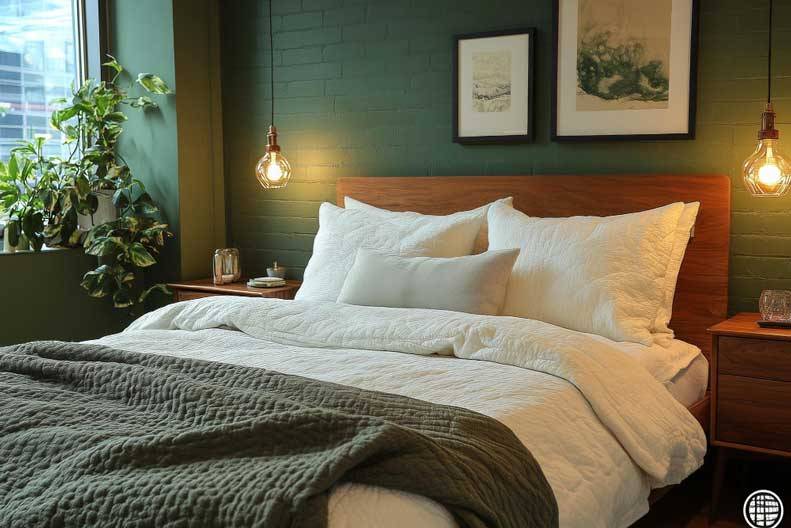
Creating a Balanced Design
To achieve harmony, select furniture and décor that complement each other. Avoid overcrowding and focus on balance. Explore The Spruce’s bedroom transformation ideas for inspiration.
Establishing a Focal Point
Define a focal point — such as a statement bedhead, artwork, or lighting fixture — to anchor your design. This creates visual interest and prevents clutter. For design inspiration, check House Beautiful’s bedroom ideas.
Avoiding the ‘Catalogue’ Look
Mix textures, colors, and styles to create a personalized, lived-in feel. Avoid matching sets and instead curate unique pieces that reflect your personality. This approach adds warmth and authenticity to your space.
Mastering Color and Lighting
Color and lighting define the mood of your bedroom. In 2026, soft neutrals and layered lighting dominate design trends. Combine ambient, task, and accent lighting to create depth and comfort. For expert guidance, explore Architectural Digest’s lighting design tips.
Selecting the Right Color Scheme
Opt for soothing neutrals like light greys, creams, and soft pastels to create a calming atmosphere. Avoid overly bold hues that may feel overstimulating. For color inspiration, visit House Beautiful’s neutral color guide.
Enhancing Natural Light with Mirrors
Strategically placed mirrors amplify natural light and make your space feel larger. Choose decorative frames that complement your aesthetic. Larger mirrors can distribute light more effectively, creating an airy, open feel. For mirror styling ideas, explore Apartment Therapy’s mirror décor guide.
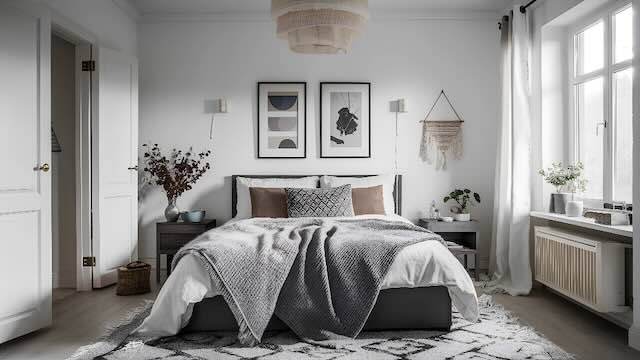
Choosing Window Treatments
Window treatments can elevate your bedroom’s aesthetic while improving light control and insulation. Floor-length curtains add luxury, while sheer layers maintain privacy and brightness. For design inspiration, check Houzz’s bedroom window treatment ideas.
Adding Comfort Underfoot
Soft flooring enhances comfort and warmth. Invest in plush carpets or cozy area rugs to create a welcoming atmosphere. For ideas, explore House Idea’s master bedroom transformations and Architectural Digest’s best bedroom rugs.
Layering Textures for Luxury
Layering textures is one of the most effective ways to elevate your bedroom into a luxurious retreat. Start with high‑quality bedding as your foundation — think breathable linen sheets, soft cotton duvets, and plush velvet cushions. These materials not only add visual richness but also enhance comfort, making your bed the centerpiece of relaxation.
Next, incorporate throw blankets in contrasting fabrics such as chunky knits, faux fur, or lightweight woven textiles. This creates depth and warmth, giving your bedroom a curated, designer feel. A textured rug underfoot can anchor the space and add another tactile layer that enhances coziness.
Consider adding a statement bedhead upholstered in velvet, boucle, or linen for an instant touch of sophistication. Pair it with layered curtains — sheer panels for softness and heavier drapes for drama and insulation. These combinations create a harmonious blend of comfort and style.
For inspiration, explore Dezeen’s bedroom design gallery and Architectural Digest’s luxury bedroom trends, which showcase modern ways to mix materials for a refined, inviting atmosphere.
By thoughtfully mixing materials, you can elevate your bedroom into a luxurious retreat that feels both personal and timeless. Combine soft bedding with plush throws, velvet cushions, and linen curtains to create depth and warmth. Add tactile accents like woven baskets or textured rugs for visual interest. For more inspiration, explore Architectural Digest’s luxury bedroom trends and Dezeen’s bedroom design gallery.
Conclusion
In 2026, bedroom design embraces serenity, sustainability, and self-expression. By decluttering, choosing balanced furniture, mastering color and lighting, and layering textures, you can transform your bedroom into a sanctuary that nurtures rest and creativity. Whether you prefer minimalist Scandinavian tones or rich, cozy palettes, these expert tips help you design a space that feels uniquely yours — stylish, functional, and deeply relaxing.
Explore more: House Beautiful Bedroom Ideas | Architectural Digest Bedroom Trends 2026 | Apartment Therapy Bedroom Décor | Dezeen Interiors
FAQ: Bedroom Design and Comfort in 2026
Q: How can I make a small bedroom feel more spacious?
A: Use mirrors to reflect light and create depth, choose lighter color palettes, and keep furniture proportional to the room size. Floating shelves and wall-mounted lighting free up floor space. For inspiration, visit Apartment Therapy’s small bedroom ideas.
Q: What are the best lighting strategies for a relaxing bedroom?
A: Combine ambient ceiling lights with bedside lamps and soft accent lighting. Warm LED bulbs and dimmers help create a soothing atmosphere. Explore Architectural Digest’s lighting design guide for expert advice.
Q: How can I add luxury without overspending?
A: Focus on texture and detail — invest in high-quality bedding, add a statement lamp, and use layered fabrics. Small upgrades like elegant curtain rods or decorative cushions can elevate the look. Check House Beautiful’s affordable luxury tips.
Q: What colors promote better sleep and relaxation?
A: Soft neutrals, muted blues, and gentle greens are proven to reduce stress and promote calm. Avoid harsh contrasts or overly bright tones. For color psychology insights, explore The Spruce’s guide to sleep-friendly colors.
In 2026, your bedroom is more than a place to sleep — it’s a reflection of your lifestyle, creativity, and comfort. Design it with intention, and it will reward you with peace and beauty every day.