





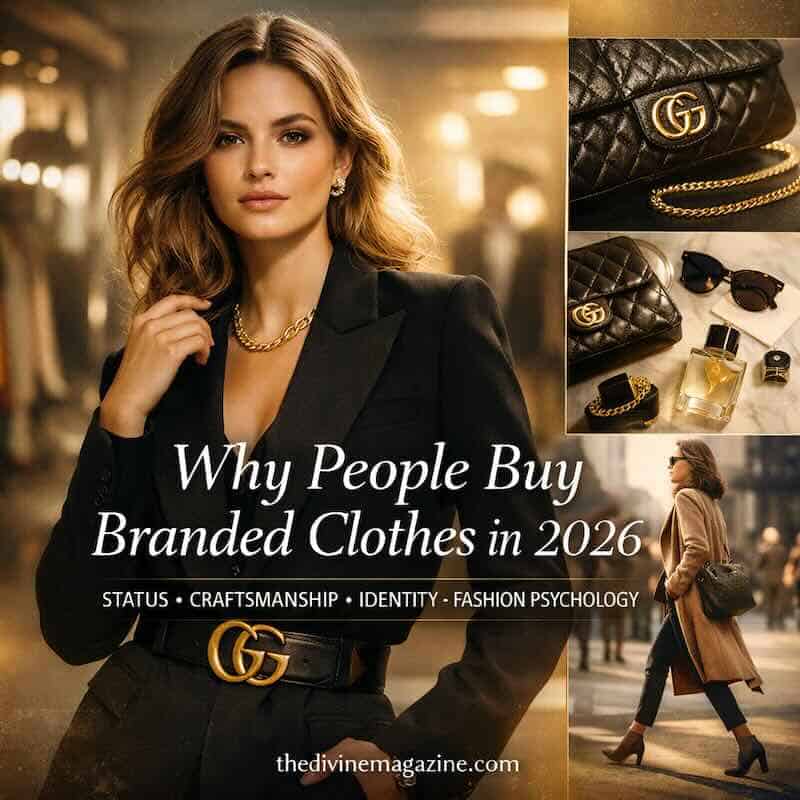
In 2026, the allure of branded fashion remains stronger than ever. Whether it’s a heritage house like Gucci, a streetwear icon like Supreme, or a luxury powerhouse such as Philipp Plein, consumers continue to pay premium prices for clothing that represents more than just fabric and design. This article explores why people are still willing to invest heavily in expensive branded clothes — and how the psychology behind luxury fashion has evolved in 2026.
Status Symbol
Luxury fashion has always been intertwined with social identity. In 2026, wearing a designer label is still a powerful way to communicate success, taste, and exclusivity. Brands like Philipp Plein and Louis Vuitton are recognized globally as symbols of affluence and individuality. The psychology of status consumption — explored in studies by Harvard Business Review — shows that people use luxury fashion to project confidence and social belonging. In a digital era where image is currency, the logo itself becomes a statement.
Quality and Craftsmanship
Beyond prestige, consumers continue to associate branded clothing with superior quality. Luxury houses invest in artisanal craftsmanship, sustainable materials, and precision tailoring. Brands like Chanel and Hermès maintain their reputation through meticulous production standards and limited availability. In 2026, transparency in sourcing and ethical manufacturing have become part of the luxury narrative — with platforms like Business of Fashion highlighting how craftsmanship and sustainability now coexist as key selling points.
Brand Loyalty
Emotional connection drives repeat purchases. Consumers who resonate with a brand’s story or aesthetic often become lifelong advocates. Philipp Plein’s bold, rebellious image attracts fashion enthusiasts who value individuality and confidence. Similarly, Dior and Prada cultivate loyalty through heritage storytelling and consistent innovation. In 2026, loyalty programs and digital communities — such as Farfetch’s luxury membership tiers — reinforce this emotional bond between brand and consumer.
Brand Identity
Fashion is self-expression, and people gravitate toward brands that mirror their values and lifestyle. Philipp Plein’s unapologetic aesthetic appeals to those who embrace boldness and individuality. Meanwhile, minimalist labels like Acne Studios and COS attract consumers who prefer understated sophistication. In 2026, brand identity extends beyond clothing — it encompasses sustainability, inclusivity, and digital innovation. Consumers increasingly align with brands that reflect their worldview, not just their wardrobe.
Conclusion
In 2026, the reasons people buy expensive branded clothes remain deeply psychological. Luxury fashion continues to serve as a marker of status, quality, loyalty, and identity — but with new dimensions shaped by technology and ethics. Whether it’s Philipp Plein’s extravagant designs or Gucci’s timeless craftsmanship, the appeal lies in how these brands make people feel: confident, connected, and seen. As fashion evolves, the emotional value of a brand often outweighs its price tag.
FAQ: Branded Fashion Psychology 2026
1. Why do people still pay high prices for branded clothes?
Luxury brands offer more than clothing — they provide identity, craftsmanship, and emotional value. Consumers pay for the story, exclusivity, and experience that come with the label. For insights, see Vogue’s 2026 luxury market report.
2. Are expensive brands always higher quality?
Not always. While many luxury brands use premium materials and skilled artisans, some rely more on perception and marketing. Research from McKinsey’s State of Fashion 2026 shows that quality varies widely across categories.
3. How has sustainability influenced luxury fashion?
In 2026, sustainability is integral to luxury branding. Consumers expect transparency in sourcing and ethical production. Brands like Stella McCartney lead the movement toward eco-conscious luxury.
4. What role does social media play in brand perception?
Social media amplifies brand identity and exclusivity. Platforms like Instagram and TikTok have turned fashion into a visual language, where influencers and creators shape consumer desire through storytelling and authenticity.
5. Is the luxury market growing in 2026?
Yes. According to Statista’s 2026 report, global luxury sales continue to rise, driven by younger consumers who value both heritage and innovation. The market’s evolution reflects a blend of tradition and technology shaping the future of fashion.