







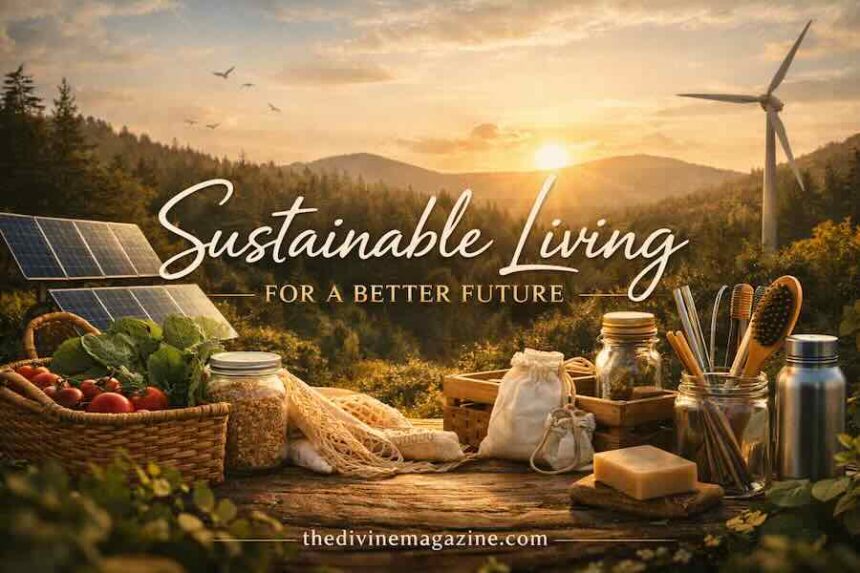
The tide is shifting, and modern consumers in 2026 are more conscious than ever about the products they purchase. People want to know where items come from, how they’re made, and whether the companies behind them uphold ethical, social, and environmental standards. Without realizing it, many still support brands that fail to commit to responsible production — but awareness is rising, and change is accelerating.
Choosing to ethically consume — making purchase decisions based on positive social, economic, environmental, and political impact — is one of the most powerful ways individuals can influence the world. By now, most of us understand the harsh realities of consumerism: climate change, pollution, resource depletion, and unethical labor practices. Let’s explore why sustainable living matters more than ever in 2026.
Good Things About Living Sustainably
Living sustainably takes effort, but the rewards are profound. Reducing personal and environmental impact means making conscious choices that counteract climate change and support healthier ecosystems. And it often begins with small, everyday decisions — including the clothing you wear.
One example of a company that promotes sustainable living is dk active. Their apparel avoids conventional manufacturing processes and embraces ethical, eco-friendly alternatives. Many modern brands now follow similar principles, including Good On You-rated labels, ThredUp resale programs, and circular fashion innovators like VEJA.
Here are some good things about living sustainably that directly benefit you:
- Choosing locally and organically produced food supports good health. Non-toxic foods promote a healthy metabolism and reduce exposure to pesticides, herbicides, and insecticides. When you choose companies committed to sustainable processes, you avoid harmful chemicals and support ethical farming.
- The use of sustainable materials — especially in the fashion industry — is crucial for the planet. Retail is one of the world’s most polluting sectors. Brands like dk active and other eco-conscious companies promote manufacturing alternatives that significantly reduce the harmful effects of conventional cotton and synthetic production.
Buying ethical products supports companies striving for sustainability and encourages more brands to adopt responsible practices.
- One of the most important reasons to embrace sustainable living is to protect the environment from depletion caused by overconsumption. Sustainable living means using natural resources without altering them with harmful chemicals or destructive processes.
Many companies now harness renewable energy, reduce water usage, and eliminate toxic chemicals from production. Solar-powered facilities, recycled materials, and regenerative farming practices help reduce greenhouse gas emissions and create a more stable environment for future generations.
The Future of Sustainable Living
The global population continues to grow, and more people are moving into cities at rapid rates. Studies show that by 2030, a significant portion of the world will live in metropolitan areas. Without sustainable living, natural resources will be depleted faster than they can recover. The biggest driver of environmental degradation is people consuming resources at an unsustainable rate.
Promoting sustainable living helps protect finite resources like food, water, and land. The principles of sustainability break the link between economic growth and environmental damage — allowing societies to thrive without sacrificing the planet.
If you’re considering a purchase and wondering whether it’s good for your health or the environment, choose local products that advocate eco-friendly materials. Even small choices contribute to a sustainable economy and help slow the depletion of Earth’s resources.
Conclusion
Sustainable living in 2026 is no longer a trend — it’s a necessity. Every conscious choice you make, from the food you buy to the clothes you wear, contributes to a healthier planet and a more ethical future. By supporting responsible companies and choosing eco-friendly alternatives, you become part of a global movement shaping a cleaner, fairer world for generations to come.
FAQ: Sustainable Living in 2026
What is the easiest way to start living sustainably?
Begin with small changes: reduce waste, choose ethical brands, and buy local products. Apps like Good On You help you identify sustainable fashion labels.
Is sustainable fashion more expensive?
Not always. Many brands offer affordable eco-friendly options, and resale platforms like Vinted and ThredUp make sustainable shopping accessible.
How does sustainable living help the environment?
It reduces pollution, conserves resources, lowers carbon emissions, and supports ethical production practices.
What are some sustainable brands to explore?
dk active, VEJA, Patagonia, Allbirds, and many Good On You–approved labels.
Can one person really make a difference?
Absolutely. Individual choices influence market demand, encouraging more companies to adopt sustainable practices.
Sustainable Living 2026: Conscious choices, ethical brands, and a future built on responsibility — because the planet deserves better.
Author bio: Helen Harry is a freelance writer and GOT fan. Apart from writing about technologies, she enjoys reading and writing fiction. More than anything, she loves spending time with her family and explaining tech to the elders.