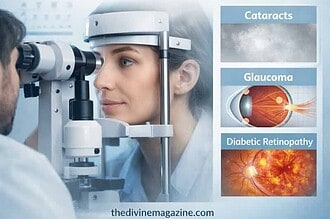







You rely on your eyes every day, yet small changes in your vision or discomfort can easily go unnoticed. Paying attention to early signs like sudden blurriness, light sensitivity, or diminished peripheral vision can help you catch potential eye problems before they worsen. By understanding these warning signals, you protect your eyesight and ensure timely medical care, preventing serious complications. This guide will help you recognize the 10 early signs of eye problems that you should never ignore in order to maintain your eye health.
- Modern Vision Challenges: The 2026 Perspective
- The 10 Early Symptoms of Eye Troubles You Shouldn’t Ignore
- 1. Abrupt Blurriness or Distortion of Vision
- 2. Light Flashes or Additional Floaters
- 3. Sensitivity to Light (Photophobia)
- 4. Excessive Tearing or Dry Eyes
- 5. Trouble Seeing at Night
- 6. Diminished Side (Peripheral) Vision
- 7. Altered Color Perception
- 8. Persistent Red or Bloodshot Eyes
- 9. Eye Fatigue or Strain
- 10. Vision-Related Headaches
- Conclusion: A Proactive Future for Your Sight
- The “Digital Eye-Armor” Checklist
- FAQ
Modern Vision Challenges: The 2026 Perspective
In 2026, our visual environment is more demanding than ever. With the rise of immersive technologies and extended “screen-to-eye” proximity, conditions like Computer Vision Syndrome (CVS) have become nearly universal. According to the American Optometric Association, the blue light emitted from devices, combined with a decreased blink rate during deep focus, accelerates tear evaporation. This lead to chronic inflammation that many mistake for simple tiredness. Recognizing that eye health is intrinsically linked to our digital habits is the first step in modern preventative care.
The 10 Early Symptoms of Eye Troubles You Shouldn’t Ignore
Noticing subtle changes in your vision or eye comfort can be the first indicator that something is amiss. Each symptom, whether it’s sudden blurriness, sensitivity, or peripheral vision loss, signals a different potential condition that requires attention.
1. Abrupt Blurriness or Distortion of Vision
If your vision suddenly blurs or warps, it often points to corneal issues or retinal changes. This can interfere with everyday tasks like reading or driving. Seeking prompt evaluation from an eye specialist is necessary to diagnose and begin treatments that can prevent permanent vision loss.
2. Light Flashes or Additional Floaters
Occasional floaters are common, but a sudden increase or flashes of light could signal retinal tears or detachment. According to Mayo Clinic, a retinal detachment is a medical emergency where the tissue at the back of the eye pulls away from a layer of blood vessels that provide it with oxygen and nutrients.
3. Sensitivity to Light (Photophobia)
When bright lights cause discomfort or pain, it often indicates eye irritation or inflammation. Infections, corneal abrasions, or uveitis can all trigger this symptom, signaling a need for professional examination.
4. Excessive Tearing or Dry Eyes
Persistent dryness, itchiness, or a gritty feeling points to an insufficient tear film. Ironically, your eyes might tear excessively as a reflex response to this dryness. Treatment often involves lubricating drops or addressing environmental triggers.
5. Trouble Seeing at Night
Difficulty seeing in low light can arise from vitamin A deficiency or cataracts. This symptom affects your ability to drive safely. Identifying and addressing underlying causes early can restore better night vision.
6. Diminished Side (Peripheral) Vision
Tunnel vision can be an early sign of glaucoma, a disease that damages the optic nerve. Because it develops gradually, regular screenings are the only way to catch it before significant loss occurs.
7. Altered Color Perception
If colors appear duller or faded, it may indicate cataracts or macular issues. These changes can subtly impact daily tasks involving color discrimination, such as reading traffic signals.
8. Persistent Red or Bloodshot Eyes
Redness accompanied by pain or discharge could indicate conjunctivitis or more serious infections. For detailed guidance on identifying infections versus allergies, the CDC’s vision health resources offer clear diagnostic markers.
9. Eye Fatigue or Strain
Digital eye strain can cause discomfort, dryness, or blurred vision. Practicing the 20-20-20 rule (every 20 minutes, look 20 feet away for 20 seconds) is a proven method to reduce this muscular fatigue.
10. Vision-Related Headaches
Recurring headaches often result from overexerted eye muscles struggling to maintain focus. If your headaches coincide with work tasks, an outdated prescription is the most likely culprit.
Conclusion: A Proactive Future for Your Sight
As we navigate an increasingly visual and digital world, the importance of “listening” to your eyes cannot be overstated. From the sudden appearance of light flashes to the subtle yellowing of colors, these ten signs are your body’s early warning system. In 2026, we have the tools—ranging from AI-assisted retinal imaging to advanced nutrient therapies—to manage almost any eye condition, provided they are caught in time. By prioritizing regular comprehensive exams and responding quickly to discomfort, you aren’t just treating a symptom; you are safeguarding your independence, your cognitive health, and your ability to experience the world in high definition. Don’t wait for the shadows to grow; act while your vision is still clear.
This Visual Health Daily Checklist is designed to integrate seamlessly into your 2026 digital workflow. By following these ergonomic “micro-habits,” you can significantly reduce the risk of computer vision syndrome and long-term macular strain.
The “Digital Eye-Armor” Checklist
Morning: The Calibration
- [ ] Natural Light Exposure: Spend 5–10 minutes near a window or outdoors. Natural light helps regulate your circadian rhythm and reduces the “tunnel vision” effect of screens.
- [ ] Screen Distance Check: Ensure your monitor is at least 20–30 inches (about an arm’s length) from your face.
- [ ] Eye Level Alignment: The top of your screen should be at or slightly below eye level to reduce strain on the levator muscles.
During Work: The 20-20-20 Intervals
- [ ] The 20-20-20 Rule: Every 20 minutes, look at an object 20 feet away for 20 seconds. Set a recurring haptic timer on your watch or phone.
- [ ] Blink Awareness: Intentionally blink fully 10 times every hour. We tend to blink 60% less when looking at digital devices, which is the primary cause of “gritty” dry eyes.
- [ ] Hydration Goal: Drink at least 250ml of water every two hours. Ocular lubrication starts with systemic hydration.
Afternoon: The Environmental Audit
- [ ] Glare Reduction: Check for reflections on your screen from windows or overhead lights. Adjust your position to eliminate “hot spots” that force your pupils to constantly readjust.
- [ ] Font Size Optimization: If you find yourself leaning forward to read, increase your system font size to 125%.
- [ ] Blue Light Shift: Enable “Night Shift” or “Warm Filter” settings by 4:00 PM to reduce high-energy visible (HEV) light as the day winds down.
Evening: The Recovery
- [ ] Warm Compress: If eyes feel heavy, apply a warm (not hot) washcloth for 5 minutes. This helps liquify the oils in your Meibomian glands, preventing chronic dry eye.
- [ ] Digital Sunset: Power down all LED screens at least 60 minutes before sleep to allow your macular pigments to rest.
| Symptom | Immediate Action | Long-term Fix |
| Burning/Gritty Feeling | Artificial Tears (Preservative-free) | Increase humidity and blink frequency. |
| Headache at Brow Line | Close eyes for 2 mins; Palming | Update lens prescription; check screen glare. |
| Blurry Distant Vision | 20-20-20 Rule immediately | Schedule a comprehensive eye exam. |
FAQ
Q: How often should I get a comprehensive eye exam in 2026?
A: For most adults, a comprehensive exam is recommended every 1–2 years. However, if you have diabetes, high blood pressure, or a family history of glaucoma, your doctor may suggest annual visits to monitor for microvascular changes.
Q: Do blue light glasses actually work to prevent eyestrain?
A: While blue light glasses can reduce the “glare” that causes some discomfort, they are not a substitute for taking regular breaks. Most specialists recommend focusing on the 20-20-20 rule and maintaining proper screen distance as more effective strategies.
Q: Is “night blindness” always permanent?
A: Not necessarily. If the cause is a vitamin A deficiency or a cataract, the condition is often reversible through nutritional changes or a simple surgical procedure. However, if it stems from genetic retinal conditions, it may require different management strategies.
Q: What is the most common cause of sudden eye redness?
A: Allergies and dry eye syndrome are the leading causes. However, if the redness is “localized” (one eye only) and accompanied by sharp pain, it could indicate an injury or infection that needs immediate professional attention.