







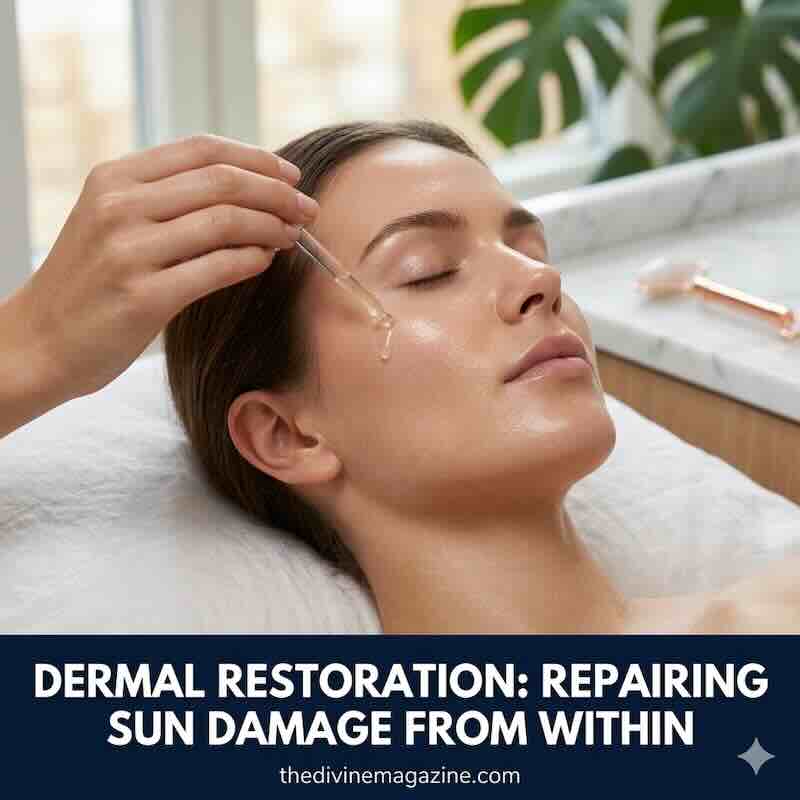
Protecting your skin from the sun is essential. UV exposure increases the risk of skin cancer and accelerates visible aging—from fine lines and wrinkles to dark spots and uneven texture. Many people only apply sunscreen when it’s hot outside, but UV rays can damage your skin year-round. If you’re already noticing signs of sun damage, the good news is that early intervention can significantly improve your skin’s appearance. Here are the most effective ways to help reverse sun damage and restore a healthier, more radiant complexion.
Skin Resurfacing
One of the most effective ways to treat sun-damaged skin is through professional skin resurfacing. A qualified plastic surgeon or dermatologist can perform laser treatments that remove damaged surface layers and stimulate new skin growth. Over the following months, your skin regenerates, improving texture, reducing dark spots, and softening wrinkles. Laser resurfacing offers long-lasting results and is especially effective for deeper pigmentation and uneven tone.
Niacinamide
Niacinamide (Vitamin B3) is one of the most researched and effective ingredients for repairing sun damage. According to dermatology experts, niacinamide helps strengthen the skin barrier, reduce redness, minimize dark spots, and improve elasticity. It also acts as a powerful antioxidant. You can find niacinamide in many serums and moisturizers, making it easy to incorporate into your daily routine. Learn more about its benefits from Healthline’s dermatology guide.
Vitamin C
Vitamin C is a gold-standard ingredient for brightening and repairing sun-damaged skin. It boosts collagen production, improves firmness, and reduces the appearance of fine lines. Vitamin C also helps neutralize free radicals caused by UV exposure, offering added protection against future damage. For product recommendations and expert insights, see Dermstore’s guide to Vitamin C serums.
Sun Protection
Repairing sun damage is only half the battle—preventing future damage is just as important. Use a daily moisturizer with SPF, even in winter or on cloudy days. During summer or prolonged outdoor exposure, choose a broad-spectrum sunscreen with strong UVA and UVB protection. UVA rays penetrate deeply and contribute to aging, while UVB rays burn the skin. For seasonal skincare tips, explore our guide on keeping your skin healthy in the summer.
It’s never too late to start caring for your skin. With the right treatments and consistent protection, you can significantly reduce the visible effects of sun damage and maintain healthier, more resilient skin moving forward.
Conclusion
Sun damage is incredibly common, but it doesn’t have to define your skin’s future. With the right combination of professional treatments, targeted skincare ingredients, and consistent daily protection, you can significantly improve texture, tone, and overall radiance. The key is acting early, staying consistent, and protecting your skin every single day — even when the sun isn’t shining. Healthy, resilient skin is built through small, intentional habits that compound over time.
Recommended Products
Here are some gentle, well‑loved skincare categories that can support brighter, healthier‑looking skin as you work to reduce the visible effects of sun exposure. Always choose products that suit your skin type and patch‑test when trying something new.
- Niacinamide Serums: Look for fragrance‑free formulas with 2–5% niacinamide to help even tone and support the skin barrier.
- Vitamin C Serums: Opt for stabilized Vitamin C (like ascorbic acid or derivatives) to brighten dullness and support a more radiant complexion.
- Gentle Exfoliating Toners: Products with lactic acid or PHA can help smooth texture and improve the appearance of uneven tone.
- Hydrating Moisturizers: Choose creams with hyaluronic acid, ceramides, or glycerin to keep the skin plump and supported.
- Broad‑Spectrum SPF 30+: Daily sunscreen is essential for preventing further sun damage and maintaining your results.
These product types are widely available from reputable skincare brands and can be incorporated into most routines without complication. For personalized advice, consider consulting a licensed dermatologist or skincare professional.
Frequently Asked Questions About Sun-Damaged Skin
Can sun damage really be reversed?
Some signs of sun damage — like dark spots, uneven texture, and early fine lines — can be improved with consistent skincare and professional treatments. Severe damage, however, may not be fully reversible. Early intervention gives you the best results.
Is laser resurfacing safe?
Yes, when performed by a qualified dermatologist or plastic surgeon. Modern laser treatments are highly effective for pigmentation, texture, and wrinkles. Always consult a licensed professional to determine which type of resurfacing is right for your skin.
How long does it take to see results from niacinamide or vitamin C?
Most people notice brighter, smoother skin within 4–8 weeks of consistent use. Dark spots and deeper lines may take longer. These ingredients work gradually, so daily application is key.
Do I need sunscreen even on cloudy days?
Absolutely. Up to 80% of UV rays can penetrate clouds, meaning your skin is still at risk even when the sun isn’t visible. Daily SPF is essential for preventing further damage.
What SPF should I use to prevent future sun damage?
Dermatologists recommend SPF 30 or higher for daily use and SPF 50 for extended outdoor exposure. Choose a broad-spectrum sunscreen that protects against both UVA and UVB rays.
Can skincare alone fix sun damage?
Skincare ingredients like niacinamide, vitamin C, and retinoids can significantly improve mild to moderate sun damage. For deeper wrinkles or stubborn pigmentation, professional treatments such as lasers or chemical peels may be necessary.