




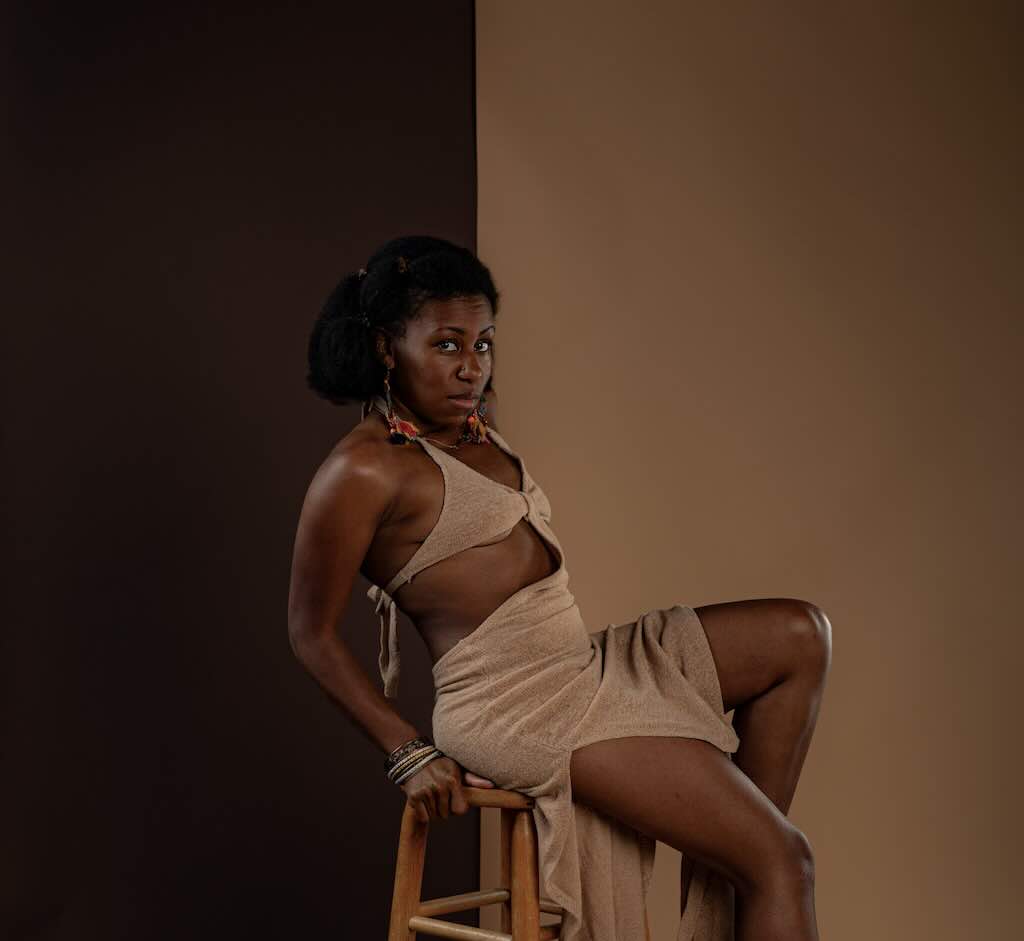
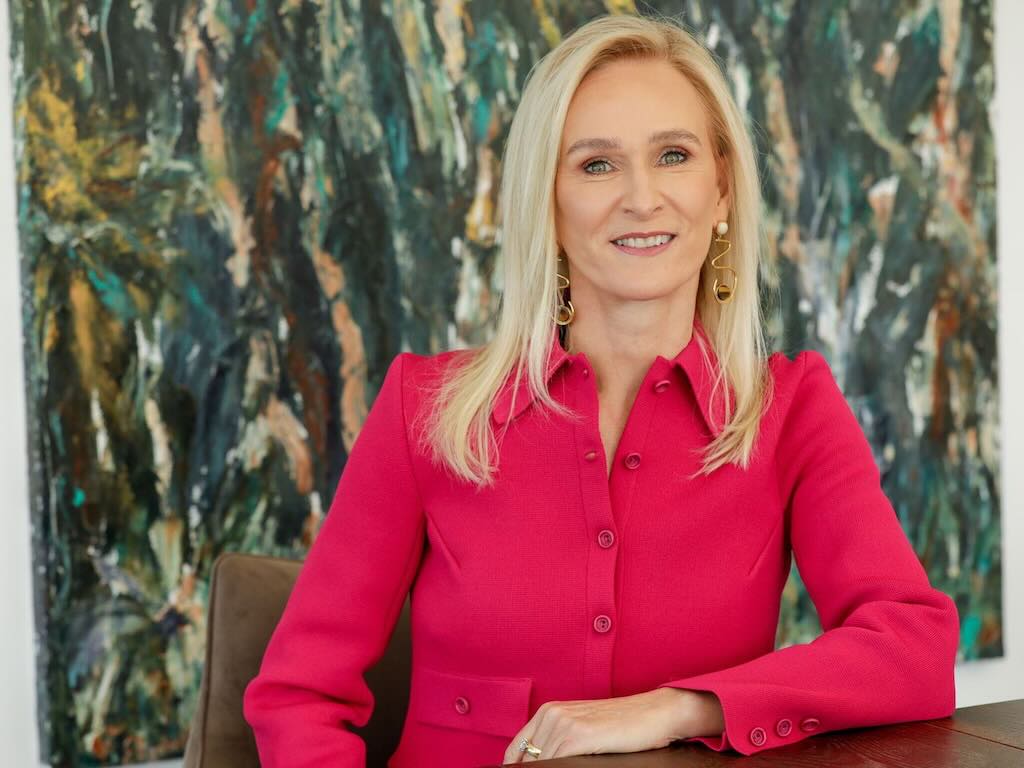

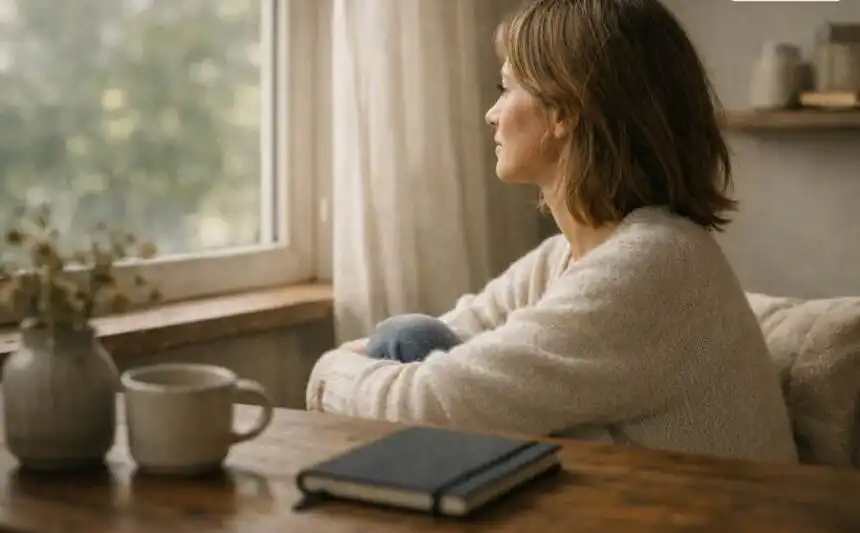
In 2026, confidence isn’t about perfection — it’s about authenticity, adaptability, and self-trust in a world reshaped by technology.
Deeper into the digital age, women are navigating new terrain around identity, success, and self-expression. AI, hybrid work, and social media have all quietly redefined how confidence gets perceived — personally and professionally. Technology offers real empowerment and visibility, but it brings its own insecurities too: digital comparison, virtual performance pressure, the strain of staying authentic inside a curated world.
Confidence in 2026 isn’t about fitting a mold — it’s about individuality and resilience instead. Women are learning to hold ambition and emotional wellbeing at the same time, treating technology as a tool for growth rather than a scoreboard. Here’s how modern women are reclaiming self-worth in the AI and hybrid era — through self-awareness, digital boundaries, and a clearer sense of purpose.
1. The Digital Mirror: AI and Beauty Standards
AI filters and virtual avatars have changed how beauty gets represented online. Creative outlets, sometimes — but they also distort reality, setting standards that were never attainable to begin with and fueling comparison in their wake. The pushback in 2026 comes as “digital authenticity” — unfiltered content, natural features celebrated rather than edited out, real transparency in beauty campaigns.
Dove’s Self-Esteem Project and UN Women both continue advocating for more realistic representation — a reminder that confidence tends to grow from truth, not from polish.
2. Hybrid Work and the Confidence Gap
Remote and hybrid work have reshaped professional confidence in ways still being sorted out. Many women describe feeling invisible in virtual meetings, undervalued in digital-only spaces. But the same shift opens real opportunity — flexibility, autonomy, room to redefine leadership on different terms. What’s emerging in 2026 is a kind of mastery: intentional communication, real boundaries, deliberate self-advocacy.
Lean In and Forbes Women at Work both offer real strategy here — visibility, mentorship, and emotional intelligence come up again and again as the actual differentiators.
3. Emotional Resilience in a Hyperconnected World
Constant connectivity blurs the line between productivity and burnout more than most people notice until it’s already happened. The turn toward mindfulness and digital detox isn’t a trend so much as a correction. Emotional resilience — the capacity to adapt and recover — has quietly become the real foundation of modern confidence. Headspace and Calm support the mental-clarity side; communities like MindBodyGreen push the holistic angle.
Resilience in 2026 means knowing when to disconnect. Confidence tends to grow out of rest, not constant output.
4. Authenticity Over Algorithm
Algorithms still reward perfection by default, but women are quietly rewriting what influence looks like. Real-talk creators and community-driven platforms are pulling toward vulnerability and genuine storytelling instead. Confidence, increasingly, is coming from connection — shared experience, mutual support, imperfection treated as evidence of strength rather than something to hide.
The Everygirl and Girlboss both showcase this well — leading with honesty, proving relatability outperforms polish more often than not.
5. The Future of Feminine Identity
Technology is reshaping what femininity even means. AI assistants, digital art, virtual fashion are all expanding the range of creative expression, while women in tech are redefining what innovation looks like from the inside. Confidence in 2026 reads as intersectional — intellect, empathy, and creativity all at once. It’s about owning the narrative, whatever form the work takes: coding, designing, leading, nurturing.
Girls Who Code and Women in AI are both actively shaping this future with real intention behind it.
Conclusion
Confidence in 2026 has moved past appearance or achievement as its measure — it’s rooted in self-awareness, adaptability, and a kind of compassion turned inward. Navigating the AI and hybrid era means defining success on different terms, treating imperfection as power rather than deficit. Boundaries, mental health, individuality — women aren’t just adapting to this shift, they’re setting its direction.
Real confidence was never algorithmic. It’s the quiet strength that says “I am enough” even while the definition of worth keeps shifting around it.
FAQ
How is technology influencing women’s confidence?
Both ways at once — technology amplifies empowerment and pressure together. AI tools and social platforms inspire creativity but just as easily fuel comparison. Digital boundaries and curated, authentic spaces are what keep the balance intact.
What are practical ways to build confidence in hybrid work?
Visible communication matters more than it seems — speaking up in meetings, naming achievements out loud, seeking mentorship deliberately. Confidence tends to grow through self-advocacy and mutual support in collaborative digital spaces.
How can women protect their mental health in a hyperconnected world?
Regular digital breaks, real sleep, some form of mindfulness practice. Headspace and Calm both offer guided support for the emotional-resilience side of this.
What does “digital authenticity” mean for women in 2026?
Showing up online as an actual self — not a heavily filtered or algorithm-optimized version of one. It’s honesty over curated expectation: unfiltered photos, candid storytelling, transparent conversation, all working against digital pressure rather than feeding it. Realness, increasingly, resonates more than polish ever did.