







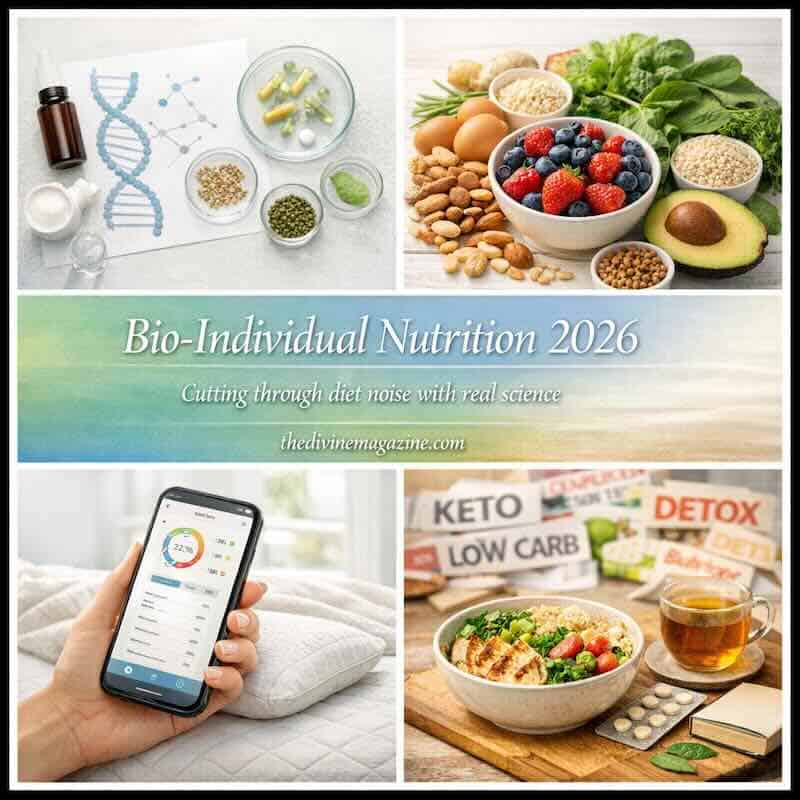
Welcome, dear readers, to another exciting blog post where we dive into the world of healthy eating. In 2026, the conversation has shifted from restrictive dieting to “bio-individual nutrition”—understanding that the best fuel for your body is as unique as your fingerprint. Are you tired of feeling overwhelmed by all the conflicting nutrition advice on your feed? Don’t worry, you’re not alone.
- 1. Fill up on fruits and veggies
- 2. Choose whole grains
- 3. Include lean or plant-based proteins
- 4. Limit ultra-processed foods (UPFs)
- 5. Stay hydrated (smartly).
- 6. Practice mindful eating
- 7. Plan for “Decision Fatigue”
- 8. Listen to your biofeedback.
- 9. Treat yourself with intention
- 10. Be kind to yourself
- Conclusion
- FAQ: Navigating Nutrition in 2026
With so many “AI-generated” fad diets and trendy superfoods being thrown at us from every direction, it’s no wonder that figuring out how to eat healthy can feel like an impossible task. However, the fundamentals of human biology haven’t changed, even if the marketing has.
Let’s start by debunking some common myths. Contrary to popular belief, healthy eating doesn’t have to be bland, boring, or expensive. In fact, there are countless delicious and nutritious foods waiting to be discovered. From vibrant seasonal produce to hearty ancient grains and clean proteins, the options are truly endless.
Are you ready to kickstart your journey to a healthier you? I’ve got you covered with 10 easy, science-backed tips for healthy eating that will have you feeling your best in no time. Say goodbye to the confusion of navigating the world of nutrition, and say hello to a simple, sustainable approach to nourishing your body.
1. Fill up on fruits and veggies
Make it a goal to fill half your plate with fruits and vegetables at every meal. In 2026, we focus on the “diversity score”—aiming for 30 different plant types per week to support a healthy gut microbiome. They provide essential vitamins, minerals, and the fiber needed to keep you satisfied.
2. Choose whole grains
Swap out refined grains like white bread and pasta for whole grains like brown rice, quinoa, and farro. Whole grains are higher in fiber and have a lower glycemic index, meaning they provide steady energy rather than a sugar crash. For a deep dive into grain health, the Whole Grains Council offers excellent contemporary resources.
3. Include lean or plant-based proteins
Incorporate proteins like wild-caught fish, organic poultry, tofu, and legumes. Protein is essential for muscle repair and metabolic health. If you are curious about the latest protein requirements for your age group, the Harvard Health Blog remains a gold standard for clinical advice.
4. Limit ultra-processed foods (UPFs)
Minimize your intake of ultra-processed items high in industrial seed oils, synthetic dyes, and artificial sweeteners. While 100% avoidance is difficult, opting for “whole food” versions of your favorite snacks can drastically reduce systemic inflammation.
5. Stay hydrated (smartly).
Drink plenty of filtered water. In 2026, we also emphasize electrolytes; if you’re active, adding a pinch of sea salt or a squeeze of lemon helps your cells actually absorb the water you drink. Aim for half your body weight in ounces as a baseline.
6. Practice mindful eating
Slow down and savor your meals. Digestion begins in the mouth with salivary enzymes. By avoiding “screen eating,” you allow your brain to register leptin—the hormone that tells you that you are full—preventing accidental overeating.
7. Plan for “Decision Fatigue”
Take time to plan your meals for the week. We often make our worst nutritional choices when we are tired and hungry at 6:00 PM. Having pre-washed greens or cooked quinoa in the fridge makes the healthy choice the easy choice.
8. Listen to your biofeedback.
Pay attention to how different foods make you feel. If a “healthy” smoothie leaves you bloated or sluggish, your body is giving you data. Nutrition is personal; what works for a fitness influencer might not work for your unique digestion.
9. Treat yourself with intention
Indulgence is part of a healthy life. The key is “intentional indulgence”—choosing a high-quality dessert you love and enjoying it thoroughly, rather than mindlessly snacking on low-quality sweets because they are nearby.
10. Be kind to yourself
Remember that healthy eating is about the trend of your choices over a month, not a single meal. If you fall off the wagon, don’t wait until “next Monday” to start again. Just make the very next choice a nourishing one. Physical health is heavily dependent on your mental peace, so lose the guilt!
Conclusion
Healthy eating in 2026 is no longer about perfection or rigid rules; it is about resilience and rhythm. By filling your plate with plants, staying hydrated, and listening to your body’s signals, you create a sustainable foundation for long-term vitality. You don’t need a PhD in nutrition to thrive—you just need to return to the basics of real, whole foods. Your body is your most precious home; start fueling it with the respect it deserves today!
FAQ: Navigating Nutrition in 2026
Q: Is organic food really necessary for a healthy diet?
A: While organic is ideal to reduce pesticide exposure, eating conventional fruits and vegetables is still far healthier than not eating them at all. Focus on the “Dirty Dozen” list if you are on a budget.
Q: How many meals a day should I eat for optimal metabolism?
A: Research now shows that consistency matters more than frequency. Whether you prefer three square meals or smaller frequent snacks, the goal is to avoid large blood sugar spikes and dips.
Q: Can I get enough protein on a plant-based diet?
A: Absolutely. By combining sources like beans, lentils, nuts, and spirulina, you can easily meet your amino acid requirements. Planning is key to ensuring variety.
Q: Should I completely avoid sugar?
A: Total avoidance is rarely sustainable. The goal is to limit “added sugars” found in sodas and processed snacks while enjoying the natural sugars found in whole fruits, which come packaged with fiber and antioxidants.