







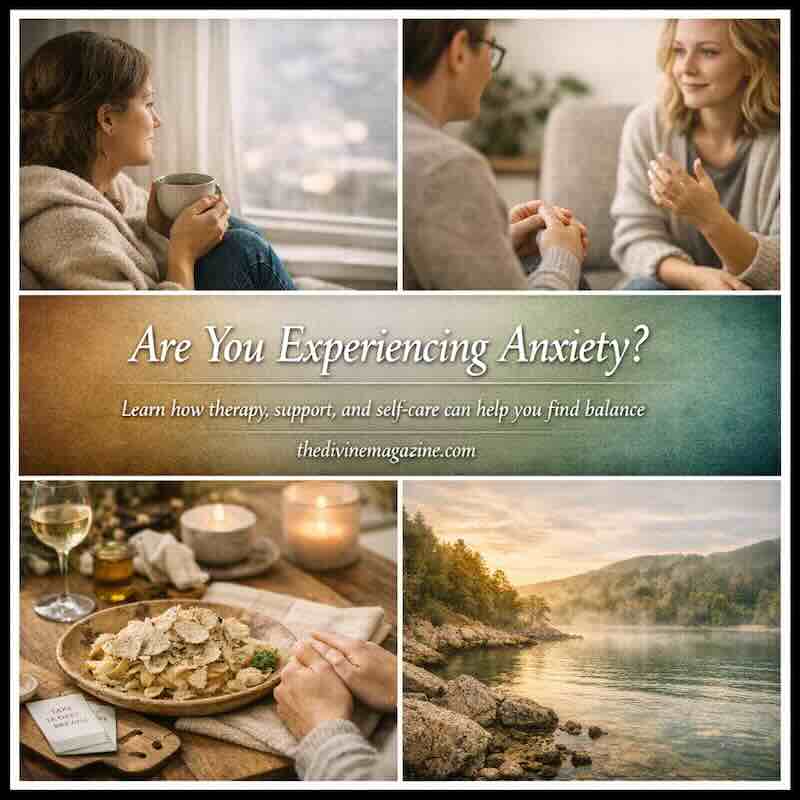
Here’s a cold hard fact: more than 3.4 million Australians suffer from anxiety disorder, making it the most common form of mental disorder in the country. So if you feel like you’re experiencing anxiety, know that you are not alone, and there are ways to help you navigate your way through it—from going to anxiety therapy to getting the support of family and friends.
But while it seems like anxiety is already a well-known condition, a lot of us don’t actually understand it well yet. So if you’re one of the millions of Australians who suffer from anxiety, this is your guide to knowing this condition and navigating your way successfully through this journey.

Understanding Anxiety and Anxiety Disorder
Anxiety is part of being human. Whenever you’re put in new or uncomfortable situations like going on a job interview, being scared of something, or just feeling stressed, your body responds by letting you feel anxious. In fact, anxiety is good for you at a certain threshold. When you feel anxious, your body activates its “flight or fight” response, which allows you to respond to a certain situation.
But when anxiety gets out of hand, it begins to take over your daily life. Anxiety disorder happens when you already feel excessive and intense anxiety that you find hard to control. According to Beyond Blue, anxiety is much more than just feeling stressed; it’s a serious condition that makes it hard to cope with daily life.
Anxiety has several symptoms, including a constant feeling of fear, difficulty dealing with emotions, and behavioral changes such as isolation. Physical symptoms can include shortness of breath, palpitations, and insomnia. Understanding these triggers is vital, as noted by resources like Healthdirect Australia.
Coping with Anxiety in a Modern World
In 2026, the landscape of mental health has evolved to include digital mindfulness and a stronger emphasis on “preventative” mental health. Coping with anxiety now involves a holistic approach:
- Seek therapy: Professional help remains the gold standard. Evidence-based treatments like Cognitive Behavioral Therapy (CBT) are highly effective in rewiring the brain’s response to fear.
- Digital Boundaries: With the rise of hyper-connectivity, many find that “digital detoxing” or setting strict screen-time limits significantly reduces background anxiety.
- Lifestyle Adjustments: Regular physical activity and mindful nutrition play a larger role in neurochemical balance than previously thought.

The Importance of Connection
When you’re always anxious, you tend to withdraw. However, having strong social relationships is vital. Whether it’s family, friends, or peer support groups, having a safety net provides a sense of security that counters the feeling of dread. Don’t be afraid to utilize local Australian services like Lifeline if things feel like they are becoming too much to handle alone.
Conclusion
Anxiety is a common mental health condition that affects millions, but it does not have to be a life sentence. By combining professional therapy, lifestyle adjustments, and a strong support network, you can navigate your way through the fog of anxiety and reclaim your future. Remember, taking the first step to ask for help is often the hardest part of the journey, but it is also the most important. You have the power to navigate your way to a calmer, more balanced life.
Frequently Asked Questions
How do I know if I have “normal” stress or an anxiety disorder?
Stress is usually tied to a specific event (like a deadline). Anxiety remains even after the stressor is gone. If your worry is disproportionate to the situation or lasts longer than six months, it may be an anxiety disorder.
Can diet really affect my anxiety levels?
Yes. Excessive caffeine and sugar can mimic or worsen physical symptoms of anxiety like heart palpitations and jitters. A balanced diet helps stabilize blood sugar and mood-regulating neurotransmitters.
Is anxiety therapy covered by Medicare in Australia?
Under a Mental Health Treatment Plan from your GP, you are typically entitled to Medicare rebates for up to 10 individual psychological appointments per calendar year.
What should I do during a panic attack?
Practice the “5-4-3-2-1” grounding technique: identify 5 things you can see, 4 you can touch, 3 you can hear, 2 you can smell, and 1 you can taste. This helps pull your brain out of the future-based fear and back into the present moment.