






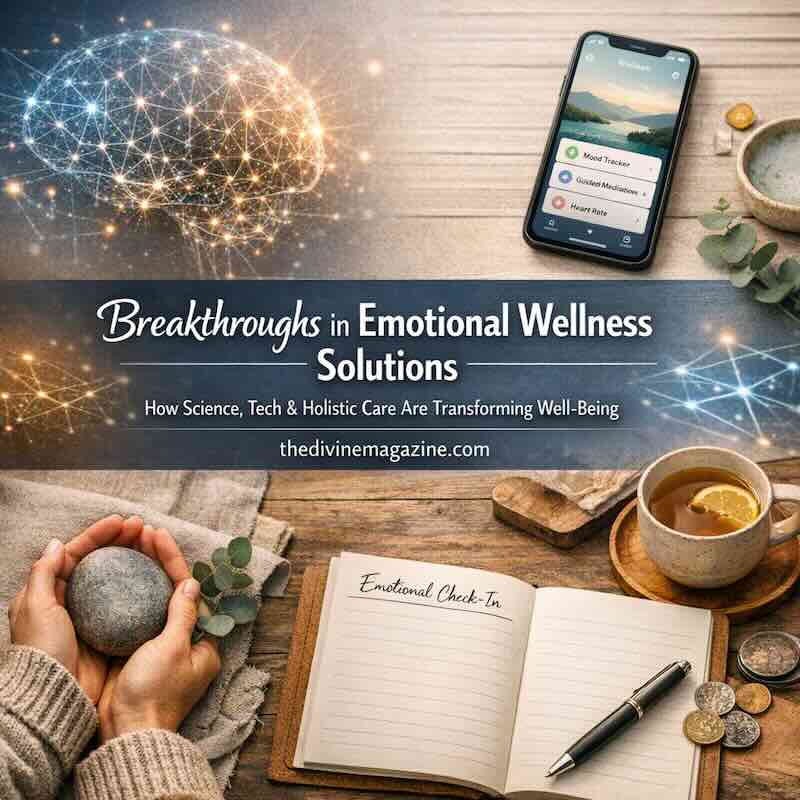
The world of emotional wellness is undergoing a remarkable transformation. As science, technology, and holistic approaches converge, new solutions are reshaping how we understand and support emotional health. These breakthroughs offer faster relief, more personalized care, and greater accessibility, opening the door to improved well-being for many.
- Fast-Acting Nasal Sprays: A New Hope for Depression
- Non-Invasive Brain Stimulation: Enhancing Emotional Balance
- The Rise of Neuro-Aesthetics and Biometric Feedback
- Artificial Intelligence Supporting Emotional Health
- Wellness Retreats and Community Support
- Conclusion: An Integrated Era of Healing
- FAQ: Navigating New Wellness Solutions
Fast-Acting Nasal Sprays: A New Hope for Depression
One of the most exciting advances in emotional wellness is the development of fast-acting nasal sprays for depression. Unlike traditional antidepressants, which can take weeks to show effects, these nasal sprays work rapidly by targeting brain pathways linked to mood regulation. One such treatment, SPRAVATO®, has been gaining attention for its ability to provide relief within hours. For those curious about how this innovative therapy works, more details are available at daydreammd.com.
Non-Invasive Brain Stimulation: Enhancing Emotional Balance
Beyond medications, technologies like transcranial magnetic stimulation (TMS) use magnetic fields to stimulate specific areas of the brain associated with mood. These therapies are showing promise in reducing symptoms of depression and anxiety without the need for systemic drugs.
The Rise of Neuro-Aesthetics and Biometric Feedback
In 2026, the intersection of art and science has birthed “Neuro-Aesthetics.” Wellness spaces are now being designed using specific colors, sounds, and light frequencies that correlate with calming neural responses. According to the Nature Journal, environmental factors can trigger the release of dopamine and oxytocin. When paired with wearable biometric trackers that monitor Heart Rate Variability (HRV), individuals can now receive real-time alerts to practice mindfulness before a stress spike occurs. This “predictive wellness” allows for a proactive rather than reactive approach to emotional health.
Artificial Intelligence Supporting Emotional Health
Artificial intelligence (AI) is transforming emotional wellness by making support more accessible. AI systems are increasingly capable of detecting early signs of emotional distress by analyzing patterns in speech or writing. These intelligent tools complement traditional therapy, empowering both patients and clinicians.
Wellness Retreats and Community Support
Retreats are now blending high-tech neurofeedback with the healing power of nature. Simultaneously, digital peer support networks offer safe spaces for sharing experiences. These communal and individual practices help maintain a balanced emotional state.
Conclusion: An Integrated Era of Healing
The evolution of emotional wellness in 2026 represents a departure from “one-size-fits-all” psychiatry toward a deeply integrated, multi-modal ecosystem of care. By synthesizing fast-acting pharmacology, non-invasive technology, and environmental design, we are finally addressing the complexity of the human spirit. The breakthroughs discussed—from nasal sprays to AI-driven early detection—are not just tools; they are the building blocks of a more resilient society. As accessibility increases and the stigma surrounding mental health continues to dissolve, the path to vitality becomes clearer for everyone. The future of emotional wellness is not just about the absence of illness, but the active presence of flourishing.
FAQ: Navigating New Wellness Solutions
Q: How does a nasal spray differ from a standard pill for depression?
A: Most oral antidepressants work on the monoamine system (serotonin/norepinephrine) and take weeks to build up. Nasal sprays like SPRAVATO® target the glutamate system, providing a rapid reset of neural connections that can improve mood in as little as 24 hours.
Q: Is TMS therapy painful?
A: Most patients describe TMS as a light tapping sensation on the scalp. It is non-invasive, requires no anesthesia, and has no systemic side effects, allowing patients to drive themselves home immediately after a session.
Q: Can AI really understand my emotions better than a human?
A: AI does not “feel” emotions, but it is excellent at pattern recognition. It can identify micro-shifts in vocal tone or typing speed that a human might miss, acting as an “early warning system” to prompt you to reach out to your human therapist.
Q: Are wellness retreats covered by insurance?
A: While the luxury “retreat” aspect is usually out-of-pocket, specific clinical treatments offered at these locations (like TMS or supervised nasal spray administration) may be covered by certain PPO insurance plans if they are deemed medically necessary.