







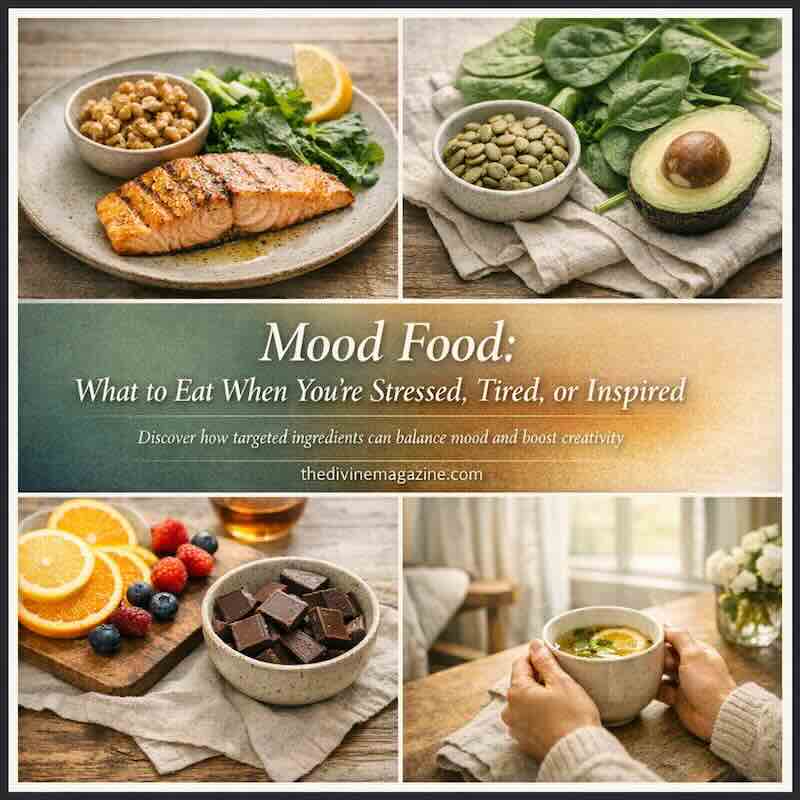
Usually you can shift your mood through targeted ingredients: prioritize omega-3-rich fish and nuts and complex carbohydrates to steady energy, reach for magnesium- and B‑vitamin‑rich greens when stressed, and use small amounts of dark chocolate or citrus to spark creativity. Be wary of excess caffeine and refined sugar, which can worsen anxiety and fatigue.
Mood Food: What to Eat When You’re Stressed, Tired, or Inspired
Overwhelmed by stress, fatigue, or inspiration, you can use food to steer your emotions: Choose omega-3-rich fish, leafy greens, and complex carbohydrates to stabilize mood and energy; favor small protein-rich snacks to sustain focus; and avoid rapid sugar spikes and excess caffeine that can worsen anxiety or crash your energy. When inspired, lean into bold flavors and antioxidant-rich foods—like berries and dark chocolate—that provide a positive cognitive lift without harming sleep.
Key Takeaways:
- Nutrient Synergy: Specific nutrients—omega‑3s, B vitamins, magnesium, and tryptophan—support neurotransmitter balance to reduce anxiety and steady energy.
- State-Specific Fuel: Match foods to states: Stress benefits from magnesium; Fatigue requires iron and B12; Inspiration thrives on antioxidants and polyphenols.
- The Gut-Brain Axis: Fermented foods and high fiber support a healthy microbiome, which communicates directly with the brain to regulate emotional resilience.
The Science of the Gut-Brain Connection
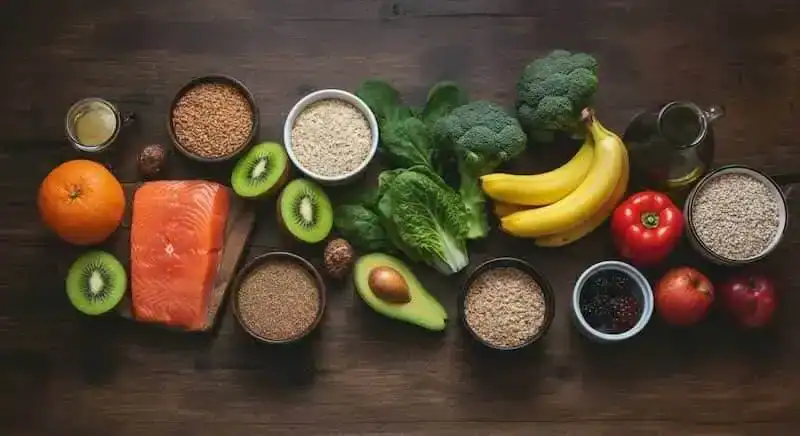
The relationship between what we eat and how we feel is governed by the vagus nerve, a physical “data highway” connecting the gut and the brain. Research from the Harvard Health Blog highlights that about 95% of your serotonin—the neurotransmitter that helps regulate sleep and appetite, mediate moods, and inhibit pain—is produced in your gastrointestinal tract. This means your digestive system doesn’t just help you process food; it’s an essential part of your emotional regulatory system.
[Image of the gut-brain axis and vagus nerve connection]
By consuming “psychobiotics” (probiotic-rich foods like kefir and sauerkraut), you promote a diverse bacterial environment. This diversity lowers systemic inflammation, which is a primary biological driver of low mood and brain fog. When you choose whole, unprocessed ingredients, you are essentially providing the raw materials for a happier chemical balance.
Eating for Stress Relief
Target foods that lower cortisol and support calming neurotransmitters. You can reduce acute tension by swapping a sugary snack for a walnut-and-yogurt bowl—studies link omega‑3s and probiotics to lower anxiety markers. For more depth on why these choices work, explore the Mayo Clinic’s guide to stress management through diet. Watching stimulants is key: excess caffeine and refined sugar spike cortisol and worsen sleep, so prioritize balanced meals with protein, fiber, and healthy fats.
Optimizing Energy and Creativity
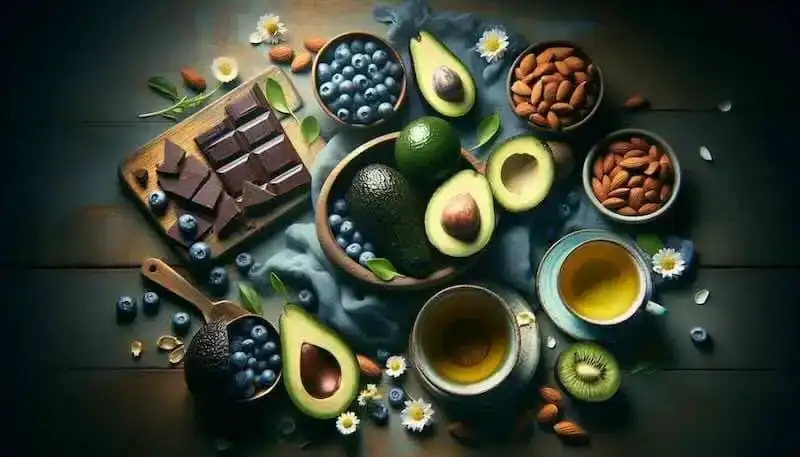
To combat fatigue, focus on the “Steady Burn” method. Instead of a high-carb breakfast that leads to a mid-morning crash, combine fiber-rich oats with a protein like hemp seeds or Greek yogurt. This slows the release of glucose into the bloodstream, preventing the spikes that trigger irritability. When it comes to creativity, flavonoids found in dark chocolate and berries increase blood flow to the key areas of the brain involved in associative thinking and memory.
Conclusion: A Palette for Modern Wellness
Harnessing food to steady your mood is one of the most immediate ways to reclaim agency over your mental health. By matching ingredients to your emotional needs—omega-3s for stress, complex carbs for fatigue, and vibrant antioxidants for creativity—you shape your well-being through intentional, delicious choices. Wellness isn’t about restriction; it’s about shifting toward a lifestyle where every bite serves as a tool for a clearer, calmer, and more inspired mind.
FAQ: Nutrient-Mood Basics
Q: How quickly can food change my mood?
A: Some effects are near-instant, such as the glucose boost from a complex carb or the sensory lift from dark chocolate. However, structural changes—like reducing chronic anxiety through omega-3s or healing the gut with probiotics—typically require consistent dietary shifts over 2 to 4 weeks.
Q: Can I get these benefits from supplements instead?
A: While supplements can help fill specific gaps (like Vitamin D or Iron), “whole food” sources are generally superior. Whole foods contain a complex matrix of fiber, enzymes, and secondary phytonutrients that work synergistically to improve absorption and efficacy in a way that isolated pills often cannot.
Q: What is the single worst “mood-crashing” food?
A: Refined, liquid sugars (like those in soda and energy drinks) are the primary culprits. They cause an aggressive insulin spike followed by a “hypoglycemic crash,” which leaves you feeling shaky, anxious, and mentally exhausted.
Q: Why does dark chocolate make me feel inspired?
A: Dark chocolate (70%+) contains theobromine and caffeine for mild stimulation, along with flavonoids that enhance cerebral blood flow. It also triggers the release of “feel-good” endorphins, providing a sensory experience that primes the brain for creative thought.