
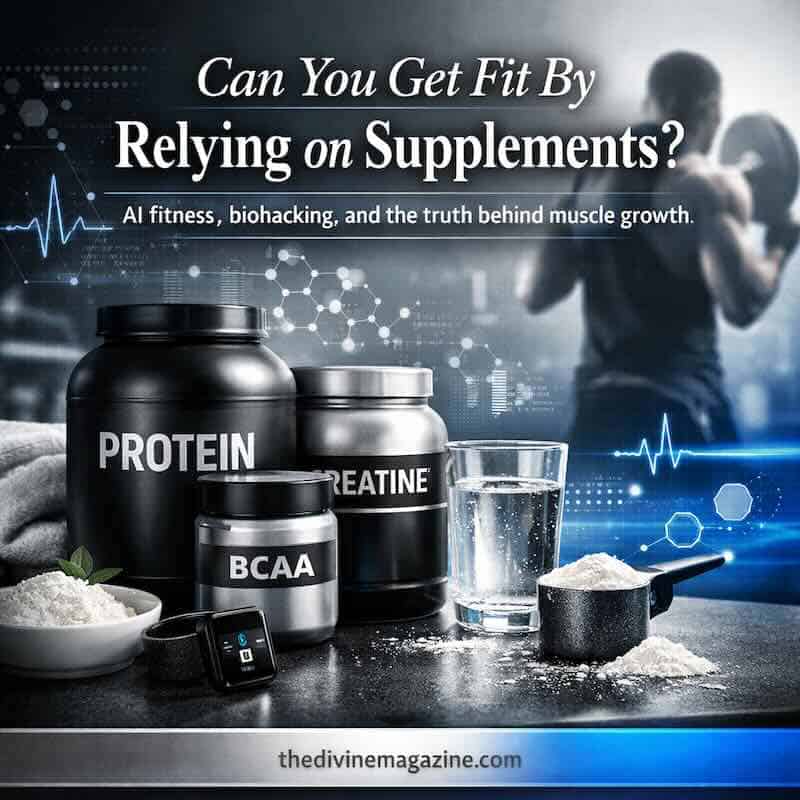
With every piece of advice now making the rounds on social media, we are seeing more ways to get fit, build muscle, and generally be healthier than ever before. In 2026, the rise of AI-personalized fitness plans and biohacking has intensified the noise. But are any of these promising a lot while delivering little?
The same could be asked of supplements. There are countless products out there supposedly essential to growing muscle. With every new “miracle” compound hitting the market, more people are shunning a healthy diet full of vitamins and minerals and relying on getting their nutrients from a pill. But is this effective, and are there any supplements truly worth your time?
The Case For The Balanced Diet
A lot of people now have the obligatory protein shake after they work out, but when you look at the components, it’s almost always the same things: vitamins, minerals, protein, and carbohydrates. Why use a powder when you could get this from whole foods? For one thing, protein shakes are convenient and transportable. However, it’s important to note that excessive use of highly processed shakes can have a negative impact on your gut microbiome. If you use them, ensure they are in conjunction with a healthy diet. A natural diet is already full of essential amino acids—the building blocks of protein—that help you refuel and rebuild muscle safely. According to the Academy of Nutrition and Dietetics, whole food sources often provide superior absorption compared to isolated supplements.
Are Any Supplements Worth Taking?
There are certainly supplements worth taking, but it depends heavily on the source and purity. If we look at Standardized Tongkat Ali extract, this plant-based supplement native to Southeast Asia has been shown to support hormonal balance, particularly in individuals with low testosterone, thereby increasing workout quality. Similarly, creatine is widely used by athletes and has deep roots in natural science. It is found in meat, eggs, and fish but is much more effective in a higher-concentrate supplement form for increasing ATP production. For those looking for rigorous, third-party testing data on these substances, Examine.com remains an industry leader in 2026 for unbiased supplement research.
So What’s The Answer?
You see it again and again: you can’t exercise your way out of a bad diet. Starting an exercise regime with a sufficient source of whole-food fuel is what helps you build muscle in those early days. As you aim to train longer and build more mass, certain supplements can provide an edge. However, it is vital to choose supplements from natural, transparent sources rather than chemically processed “proprietary blends.” This is why experts continue to endorse a balanced diet as the primary path to health. Relying solely on supplements might show temporary gains, but eventually, the body requires the complex synergy of nutrients found only in a proper diet.
Conclusion
In 2026, the “secret” to fitness remains surprisingly traditional: consistency and quality nutrition. While technology and supplements can optimize your performance, they are the finishing touches rather than the foundation. Prioritize whole foods; use supplements like creatine or Tongkat Ali to fill specific gaps; and remember that your gut health is just as important as your bicep peak. A balanced approach isn’t just a trend—it’s the only sustainable way to build a body that is as healthy as it looks.
Frequently Asked Questions
Q: Can I build muscle without any supplements at all?
A: Absolutely. Supplements are designed to “supplement” your diet. If you are hitting your protein and caloric targets through meat, dairy, legumes, and vegetables, you can reach your fitness goals without ever touching a pill or powder.
Q: Is creatine safe to take long-term?
A: Creatine monohydrate is one of the most researched supplements in history. For most healthy individuals, it is considered safe and effective for long-term use, provided you maintain proper hydration.
Q: How do I know if a supplement is “chemically processed” or natural?
A: Look for third-party certifications like NSF or Informed-Choice. Check the ingredient list for artificial dyes, sweeteners (like aspartame or sucralose), and “proprietary blends” that hide the actual dosages of active ingredients.
Q: Should I take supplements before or after my workout?
A: It depends on the supplement. Caffeine and pre-workouts are best 30–60 minutes before training. Creatine can be taken at any time of day, as long as it is consistent. Protein is best consumed within a few hours of your workout, though total daily intake is more important than perfect timing.