







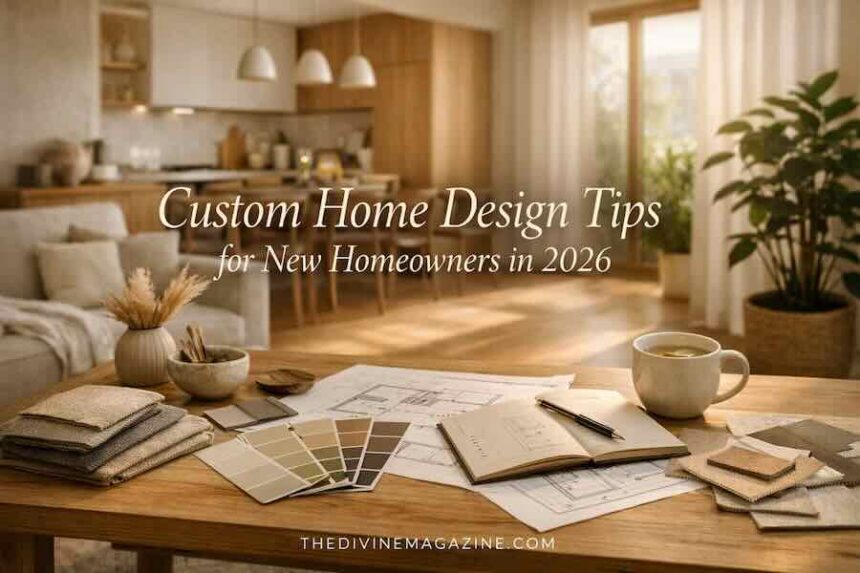
In 2026, home design is all about personalization, sustainability, and smart living. Discover how to create a space that reflects your personality while embracing modern functionality and timeless style.
- Understanding Custom Home Design
- Planning Your Custom Home
- Key Features to Consider
- Budgeting for Your Custom Build
- Selecting the Right Builder
- Navigating Building Codes and Permits
- Conclusion
- FAQ
- Q: What are the first steps I should take when planning my custom home design?
- Q: How can I ensure my custom home remains energy-efficient?
- Q: What factors should I consider when choosing the right builder?
- Q: How do I balance aesthetics and functionality in my design?
- Q: What are the top design trends for new homeowners in 2026?
- Final Words
- External Links
Moving into a new home is an exciting milestone filled with endless possibilities. As a new homeowner, you have the unique opportunity to personalize your space and make it truly your own. From choosing the right color palettes to incorporating functional layouts and meaningful decor, custom design allows you to blend style and comfort seamlessly. In this article, we’ll share expert tips to help you create a home that reflects your personality and meets your lifestyle needs.
Every design decision you make shapes a space that uniquely fits your lifestyle and preferences. To help you navigate this process with confidence, explore practical tips and expert insights that align your vision with functionality. For a deeper dive into custom home planning, visit Building the Perfect Custom Home: A Comprehensive Guide.
Understanding Custom Home Design
Beginning your custom home design journey means balancing creativity with practicality. A thoughtful design process considers your lifestyle, aesthetic preferences, and functional needs. Working with experienced professionals can help you navigate the complexities of creating a home that is both beautiful and sustainable, ensuring it serves you well for years to come.
The Importance of Personalization
Personalization is at the heart of custom home design. From architectural style to interior finishes, every detail can reflect your personality and lifestyle. This level of customization enhances your daily living experience, making your home feel more meaningful and uniquely yours.
Architectural Styles and Trends
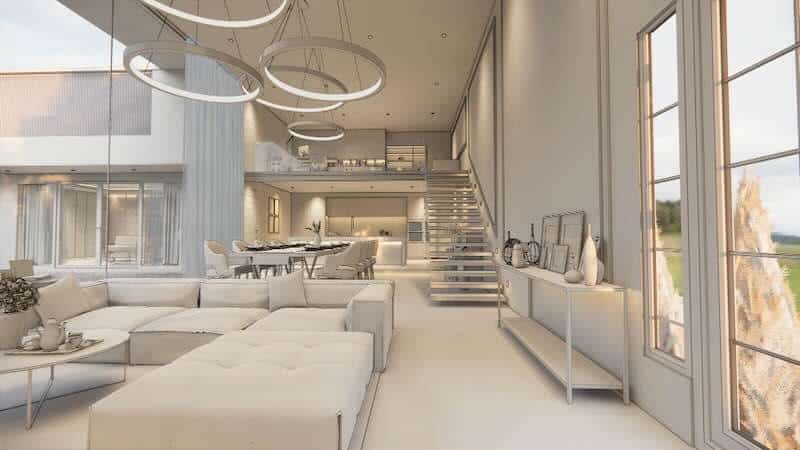
Current architectural trends can inspire your custom home design, helping you blend aesthetics with modern functionality. Whether you prefer minimalist, contemporary, or traditional styles, understanding these trends allows you to make informed decisions that align with your taste and long-term goals.
As you explore different styles, consider how they support your lifestyle. Open floor plans enhance flow and connectivity, while sustainable design choices improve energy efficiency. For inspiration, explore Architectural Digest’s 2026 interior design trends.
Planning Your Custom Home
Thoughtful planning lays the foundation for a successful custom home. Start by choosing a location that suits your family’s needs and researching architectural styles that resonate with you. A well-structured plan helps streamline the construction process and ensures your home can adapt as your lifestyle evolves.
Establishing a Vision and Wishlist
Creating a vision and wishlist is an exciting step in the design process. List the features and styles that matter most to you, focusing on comfort, functionality, and long-term usability. This helps guide your decisions and ensures each space supports your daily life.
Collaborating with Design Professionals
Working with architects and designers brings your ideas to life. Their expertise helps merge aesthetics with practicality, ensuring your home is both beautiful and functional. They can also refine your wishlist, offering creative solutions and trend insights that align with your vision. For expert advice, visit Houzz’s guide to working with architects.
Key Features to Consider
As you begin your custom home journey, consider incorporating features that elevate both style and functionality:
- Open floor plans for enhanced connectivity
- Outdoor living spaces for relaxation and entertainment
- Energy-efficient systems to reduce long-term costs
- Smart home technology for convenience and security
- High-quality insulation for improved comfort
- Sustainable materials to support eco-friendly living
These features enhance your living experience and help create a home where you can truly thrive. For more inspiration, explore Tips for Designing Your Own Home.
Budgeting for Your Custom Build
Financial planning is essential when building a custom home. Establishing a budget early helps you allocate resources effectively and ensures your dream home aligns with your financial reality. Consider all expenses—from land and construction to furnishings—and set aside a contingency fund for unexpected costs. For budgeting tools, visit Forbes Home’s cost guide.
Selecting the Right Builder
Choosing the right builder is crucial to bringing your vision to life. Look for a professional who understands your style, respects your budget, and stays informed about current design trends. A skilled builder ensures quality craftsmanship and guides you through each stage of the process.
Navigating Building Codes and Permits
Understanding building codes and permits is vital for a smooth construction process. Each region has specific regulations that impact safety, legality, and project timelines. Working closely with your builder ensures compliance and helps you avoid delays or unexpected costs. For more details, visit NAHB’s building code resources.
Conclusion
In 2026, designing your dream home is about blending creativity, sustainability, and technology. By planning thoughtfully, collaborating with experts, and embracing personalization, you can create a space that reflects your individuality and supports your lifestyle. Every design choice—from layout to lighting—contributes to a home that feels timeless, functional, and uniquely yours.
FAQ
Q: What are the first steps I should take when planning my custom home design?
A: Begin by selecting a location that aligns with your lifestyle and future goals. Create a detailed wishlist of features that reflect your needs and aspirations. Collaborating with design professionals early ensures your ideas are translated into practical, functional solutions. For guidance, explore HGTV’s dream home planning guide.
Q: How can I ensure my custom home remains energy-efficient?
A: Incorporate sustainable materials, energy-efficient windows, high-quality insulation, and smart home technology. Consider renewable energy sources like solar panels or geothermal systems. Builders experienced in eco-friendly construction can offer tailored recommendations. For more insights, visit Energy.gov’s efficient home design guide.
Q: What factors should I consider when choosing the right builder?
A: Evaluate a builder’s experience, credentials, and client testimonials. Review their portfolio to ensure their style aligns with your vision. Clear communication and transparency are essential—choose someone who listens, collaborates, and respects your budget. For expert advice, explore Realtor.com’s guide to finding the right builder.
Q: How do I balance aesthetics and functionality in my design?
A: Focus on timeless design principles—simplicity, proportion, and flow. Choose materials and layouts that enhance usability while maintaining visual appeal. Integrate storage solutions and multi-purpose spaces to keep your home organized and efficient. For inspiration, visit ArchDaily’s guide to balancing form and function.
Q: What are the top design trends for new homeowners in 2026?
A: The 2026 design landscape emphasizes sustainability, biophilic elements, and smart integration. Expect natural materials, flexible spaces, and minimalist aesthetics paired with advanced home automation. Explore House Beautiful’s 2026 design trend forecast for more ideas.
Final Words
Designing a custom home in 2026 is about creating a space that evolves with you—where innovation meets comfort and sustainability meets style. By combining thoughtful planning, expert collaboration, and personal expression, you can build a home that not only reflects who you are today but also adapts to your future. Every choice, from layout to lighting, contributes to a living environment that feels authentic, functional, and inspiring.
In 2026, your home isn’t just a place—it’s a reflection of your story, your values, and your vision for the future.
External Links
- HGTV – Custom Home Design Tips (Expert advice on personalizing your new home.)
- Better Homes & Gardens – Decorating New Homes (Creative ideas for decorating and customizing.)
- Architectural Digest – Interior Design for New Homeowners (Stylish and functional design inspiration.)
- The Spruce – Home Personalization Ideas (Tips for making your home uniquely yours.)
- Apartment Therapy – Decorating Tips for New Homes (Practical decorating and styling advice.)
- Dezeen – Modern Home Design Innovations (Global design trends and architectural inspiration.)