







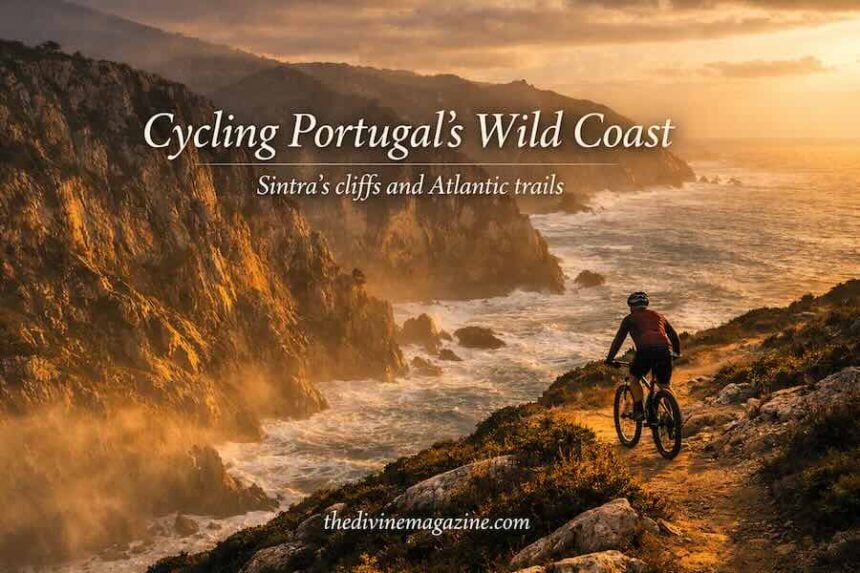
In 2026, Portugal’s coastline remains one of Europe’s most dramatic cycling frontiers—where rugged cliffs, ancient trails, and ecological wonders meet modern adventure.
Portugal’s coasts hide challenging but priceless treasures. When we think of the Portuguese coastline, we often imagine rocky cliffs and the crashing waves of the Atlantic. However, behind this rugged facade lie extreme beauties that continue to surprise even seasoned travelers in 2026.
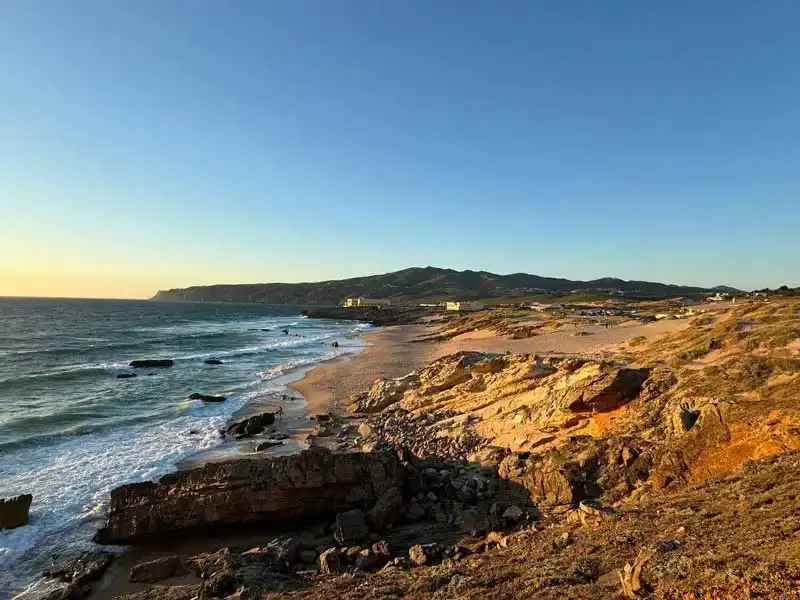
Here you can find secluded coves and beaches—tranquil havens far removed from modern life. These hidden pockets have long served as refuges from the outside world, protecting both coastal communities and inland travelers seeking solitude.
Famous landmarks such as Praia Guincho near Sintra are complemented by secluded beaches like Praia da Ursa. Bike&Ride® rentals in Cascais make it easy to explore the coastline or head toward Lisbon’s iconic suspension bridge, where navigational beacons perched high on the cliffs guide ships from the open sea. For broader regional insights, see Lonely Planet’s Portugal guide.
Cycling Among Giants
Nowhere in Portugal compares to the heights of the Sintra region when it comes to scale and drama. What once seemed like an insurmountable barrier is now accessible to cyclists who crave elevation, challenge, and cinematic landscapes. The summit of Sintra towers over holidaymakers, offering a mixture of awe and grandeur that must be seen in person to be fully understood.
As you skirt peaks, valleys, and ravines across the vast uplands, each horizon reveals new surprises. From the Pena Pass—the wildest and most spectacular climb in Portugal—the view stretches across the Atlantic, offering a rare perspective of the Iberian Peninsula. For trail maps and elevation profiles, explore AllTrails Sintra routes.
The Ecological Heart of the Coast
The Sintra-Cascais Natural Park is not merely a backdrop for sport; it is a living ecosystem. According to the Official Visit Portugal Portal, this protected area blends Mediterranean flora with North Atlantic influences. Cyclists often ride through microclimates where misty forests suddenly give way to sun-drenched scrubland.
For those interested in conservation, the ICNF (Institute for Nature Conservation and Forests) provides detailed insights into the biodiversity that makes every pedal stroke a lesson in natural history. Additional ecological research can be found via WWF Mediterranean.
Under the Wheels of Mountain Biking
While the scenery is inevitably striking, those who explore the uplands by bike experience a rare form of sensory immersion. A thin ribbon of asphalt or rugged dirt track stretches toward the sky, creating a physical dialogue between rider and terrain. It is a space to breathe deeply and feel the gradient as a living conversation with the earth.
Conclusion: The Reward of the Journey
Whether conquering the steep gradients of the Pena Pass or navigating the technical trails leading to Praia da Ursa, cycling in Portugal is an exercise in discovery. The rugged exterior of the coastline is merely a gatekeeper to tranquil coves, historic beacons, and ecological wonders. Exploring these “Giants” on two wheels creates an intimate connection with the landscape that no car window can provide.
For those willing to embrace the challenge, Portugal’s coast remains one of the world’s most priceless cycling destinations—an unforgettable blend of nature, culture, and adventure.
Frequently Asked Questions (FAQ)
What is the best time of year to cycle the Portuguese coast?
Spring (March–May) and Autumn (September–November) offer mild temperatures and manageable Atlantic winds. These seasons provide ideal conditions for both road and mountain biking. For weather updates, check AccuWeather Portugal.
Do I need a mountain bike or a road bike for Sintra?
It depends on your route. Sintra offers world-class tarmac for road cyclists on the N247, while hidden treasures like Praia da Ursa require a mountain or gravel bike due to rocky, unpaved trails.
Are there facilities for cyclists in Cascais?
Yes. Cascais is highly bike-friendly, offering numerous rental shops—including Bike&Ride—and dedicated cycling paths (ciclovias) running along the coast toward Guincho Beach.
Is cycling near the cliffs dangerous?
While the views are breathtaking, Atlantic gusts can be strong. Cyclists should stay on marked trails, wear helmets, and be cautious during high-wind alerts—especially near exposed sections like Cabo da Roca. For safety tips, visit OutdoorActive Safety Guidelines.
In 2026, Portugal’s coast remains a frontier of wild beauty—best explored on two wheels.


The US president raged at NATO allies over defense spending in meeting with the German chancellor, as Israel ordered its military to ‘advance’ in Lebanon