






No matter what your wedding budget looks like in 2026, some expenses may feel optional — but professional wedding photography is not one of them. Many couples still believe they can skip hiring a trained photographer, yet this decision often leads to missed moments, poor-quality images, and long-term regret.
- You May Have to Compromise on Photo Quality
- You May Have to Deal With an Inexperienced Photographer
- Incorrect Exposure
- Goofy or Distracting Backgrounds
- Narrowed Eyes Due to Harsh Sunlight
- Corrupted or Poorly Composed Group Shots
- Shooting Only in JPEG Format
- Conclusion
- FAQ – Professional Wedding Photography (2026)
Updated for 2026 to reflect current wedding photography standards, trends, and professional insights.
Wedding photography remains one of the most time‑intensive and skill‑demanding specialties in the industry. A professional photographer doesn’t just capture moments — they help create them. Their experience, timing, and guidance elevate the entire wedding day. Skilled photographers, such as Bath wedding photographers, witness hundreds of celebrations and bring invaluable insight into planning, organizing, and ensuring your day runs smoothly.
If you choose not to hire a professional for your wedding photography, you risk losing the chance to build a meaningful, high‑quality wedding album. Below, we break down the major drawbacks of skipping a professional photographer.
You May Have to Compromise on Photo Quality
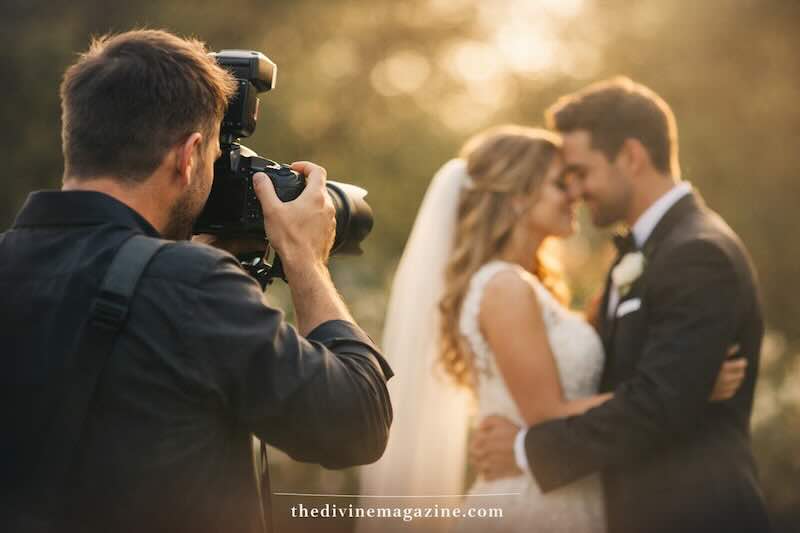
Owning a camera does not make someone a wedding photographer. Experience, timing, and technical mastery matter. Without a professional, your wedding album may end up filled with soft, blurry, or poorly composed images. You may even struggle to see the faces of your loved ones clearly — a heartbreaking outcome for such an important day.
You May Have to Deal With an Inexperienced Photographer
A DSLR or mirrorless camera does not guarantee skill. Before trusting someone inexperienced, review their past work and client feedback. Amateur photographers often struggle with creative angles, storytelling, and capturing candid emotion — all essential elements of wedding photography.
Incorrect Exposure
Wedding dresses — especially white gowns — are notoriously difficult to expose correctly. Overexposure turns the dress into a flat white blob, while underexposure makes it dull and grey. Professionals understand how to balance highlights and shadows to preserve detail and beauty.
Goofy or Distracting Backgrounds
Professionals scout locations in advance, choosing clean, flattering backgrounds that elevate the image. Amateurs often overlook distracting elements — clutter, awkward angles, or unflattering scenery — resulting in photos that feel chaotic rather than elegant.
Narrowed Eyes Due to Harsh Sunlight
Sunlight can ruin portraits if handled incorrectly. Professionals know how to position couples, use diffusers, and work with soft light to avoid squinting and harsh shadows. Amateurs typically lack these techniques, leading to uncomfortable and unflattering images.
Corrupted or Poorly Composed Group Shots
Group photos require coordination, timing, and awareness. Professionals use ladders, elevated angles, and crowd‑management tricks to ensure everyone looks great. Amateurs often miss key details — closed eyes, uneven spacing, or awkward poses — resulting in unusable group shots.
Shooting Only in JPEG Format
RAW format preserves far more detail, allowing for proper editing of exposure, color, and white balance. Professionals always shoot RAW+JPEG for safety. Amateurs often shoot only JPEG, severely limiting post‑processing quality and flexibility.
Conclusion
Your wedding day deserves to be documented with care, artistry, and technical precision. A professional photographer captures not just moments, but emotion, atmosphere, and storytelling. From décor and details to candid laughter and intimate portraits, their work becomes a timeless archive of your celebration.
If you’re searching for a trusted expert, consider experienced professionals such as wedding photographers in Bath or explore reputable directories like WeddingWire and The Knot for vetted specialists.
FAQ – Professional Wedding Photography (2026)
Do I really need a professional photographer?
Yes. Professionals ensure consistent quality, proper lighting, and storytelling — amateurs cannot guarantee this.
Can a friend with a good camera replace a photographer?
Not reliably. Equipment alone cannot replace experience, timing, and technical skill.
Why is RAW format important?
RAW files preserve detail and allow high‑quality editing. JPEG alone is too limited for wedding photography.
How early should I book a photographer?
Most professionals book 6–12 months in advance, especially during peak wedding season.
What should I look for when choosing a photographer?
Portfolio quality, consistency, client reviews, communication style, and experience with weddings.
Editorial update: This article has been refreshed for 2026 to include modern insights, updated resources, and current wedding photography standards.