







Keeping homes comfortable as global temperatures climb is an ongoing challenge. An increasing number of homeowners are seeking systems that deliver effective cooling while prioritizing energy efficiency and environmental stewardship. With advancements in technology, today’s solutions not only enhance indoor comfort but also help reduce energy bills and carbon footprints. Modern systems offer streamlined installation and year-round reliability, with options suitable for both hot and cold climates. For those considering upgrades or new installations, innovative services such as Enbridge Sustain furnace installation in Brampton can help meet the needs of today’s eco-conscious households.
Alongside these upgrades, homeowners benefit from a deeper understanding of passive and active cooling strategies. Efficient solutions range from high-tech HVAC systems to simple everyday practices that can dramatically lower cooling costs. The adoption of such approaches means families can enjoy comfort while contributing positively to community-wide environmental goals.
High-Efficiency Heat Pumps
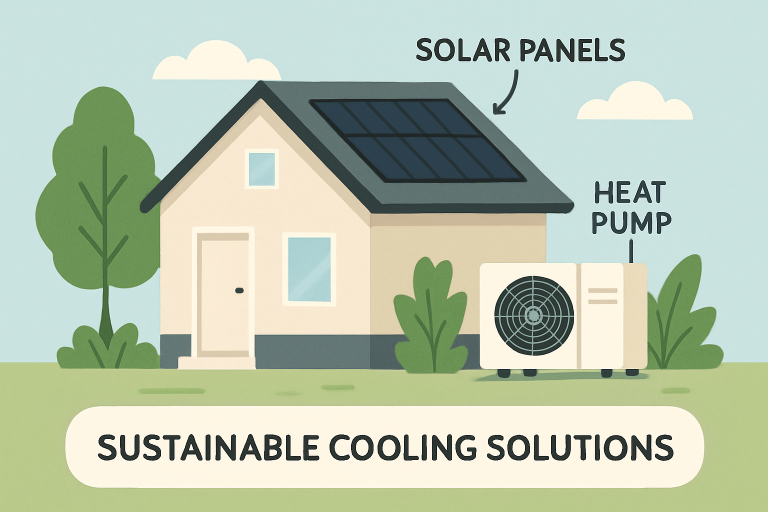
High-efficiency heat pumps have become a frontrunner in modern home cooling. Today’s models leverage advanced compressors and refrigerants, enabling them to deliver reliable performance and energy savings across a wide range of climates. Unlike traditional air conditioners, heat pumps use a heat transfer process rather than generating cold air, minimizing energy waste. Modern units also feature variable-speed controls that smooth temperature adjustments, increase system longevity, and ensure quieter operation. Property owners benefit from reduced energy bills and consistent comfort, making heat pumps an appealing replacement for aging furnaces and standard AC systems. For more on how these systems compare to conventional options, see NYSERDA’s guide to heat pumps.
Ductless Mini-Split Systems
Ductless mini-split systems are increasingly popular for their flexibility and high efficiency. These systems provide targeted cooling and heating for individual rooms or zones, thereby ensuring energy is not wasted on unoccupied areas. The absence of ductwork reduces installation costs and eliminates pathways for dust and allergens to circulate, supporting healthier indoor air quality. Mini-splits typically have higher SEER (Seasonal Energy Efficiency Ratio) ratings than conventional forced-air units, resulting in significant utility bill reductions. Homeowners especially appreciate their quiet operation and their suitability for additions or older homes lacking duct infrastructure.
Smart Thermostats
Today’s smart thermostats have transformed home cooling by offering adaptive learning capabilities. These devices analyze daily schedules, temperature preferences, and occupancy patterns, then automatically adjust settings for optimal comfort and efficiency. Many units allow remote control via smartphones and integrate seamlessly with home automation systems. Predictive adjustments, such as lowering temperatures before you arrive or raising them while you’re away, lead to significant energy savings. Over time, the data-driven approach not only cuts energy usage but also enables real-time insights for ongoing optimization.
Eco-Friendly Refrigerants
The shift toward eco-friendly refrigerants is a key milestone in reducing HVAC-related environmental impacts. Regulatory changes have outlawed refrigerants with a Global Warming Potential above 700 in new systems from 2025 onward. New alternatives such as R-32, R-454B, R-290 (propane), and carbon dioxide are being introduced in residential and commercial units. These low-GWP refrigerants do not harm the ozone layer, and many are naturally sourced. While proper handling and safety training are crucial with these new chemicals, consumers can now choose equipment that both cools efficiently and protects the planet. Learn more about refrigerant changes and regulations at the U.S. Environmental Protection Agency’s refrigerant management page.
Passive Cooling Techniques
In addition to high-tech solutions, passive cooling strategies can have a dramatic impact on indoor comfort and energy use. Simple methods like the wind-tunnel technique and opening windows or doors on opposite sides of the home leverage outdoor breezes to flush out hot air and invite cooler air in. Ventilating at night or early morning, when outdoor temperatures are lower, keeping blinds shut during sunny peak hours, and reducing the use of heat-generating appliances can all help naturally keep spaces cooler. These easy steps require little to no financial investment and offer sustainable support alongside more advanced cooling systems.
Radiative Cooling Materials
Modern building science has brought forth radiative cooling materials designed to passively manage indoor temperatures. These building finishes reflect sunlight and emit infrared radiation, keeping indoor spaces cooler during the heat of summer and reducing heat loss on winter nights. Early studies have found that these materials can remain noticeably cooler than traditional building surfaces even during peak temperatures. Integration of such materials into roofs and exterior walls offers a promising pathway to make buildings more resilient to extreme heat without significant increases in energy costs.
Thermal Energy Storage
Thermal energy storage systems, such as ice batteries, are gaining favor in both commercial and residential settings. These innovative solutions work by producing and storing ice overnight. The stored energy is then used throughout the following day to cool indoor spaces. By taking advantage of off-peak electricity rates and reducing the need for daytime air conditioning, facilities have saved significant amounts on utility bills and reduced peak grid demand. Hospitals, data centers, and multifamily communities are to manage indoor temperatures passively in line with performance and reliability benchmarks. Adoption is growing, particularly in regions prioritizing solar energy and off-peak power usage.
Government Initiatives
Government-led efforts are heavily influencing the adoption of efficient cooling solutions. For example, initiatives to quadruple heat pump deployment across American homes by 2030 recognize their vital role in reducing building emissions. Zoning mandates, tax credits like those in the Inflation Reduction Act, and state-level clean heat standards are amplifying both demand and domestic manufacturing. This multi-level approach is essential to achieving zero emissions by mid-century. Industry leaders and state governments alike are collaborating to address barriers such as installation capacity and to ensure widespread access to sustainable options. For more information, refer to the Associated Press article on government initiatives.
Modern homeowners who embrace these advanced, passive cooling strategies enjoy the dual benefits of increased comfort and reduced energy use. By combining efficient equipment and mindful practices, families can effectively navigate rising temperatures while making impactful choices for environmental health.