




Fashion in 2026 belongs to every body, every ability, every identity — and the industry is finally building for it.
Something has shifted in how clothes get made. Conscious Maximalism and personal style have pulled focus away from trend cycles and toward something more permanent: Radical Inclusivity — fashion that meets function for every body, ability, and identity, not as an add-on line but as the design brief itself.
Here’s what’s actually changed in inclusive style for 2026.
1. Adaptive Fashion, Now Mainstream
Adaptive clothing used to live in specialty shops, separate from everything else. In 2026, major retailers have folded it into their core collections — accessibility as a design standard, not a side note.
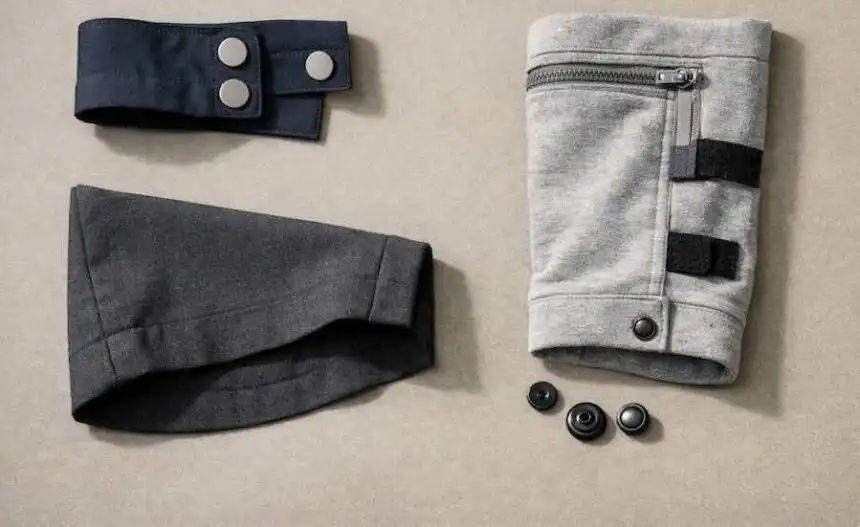
- What to look for: “Invisible Adaptation” — magnetic closures hidden behind traditional buttons, seated-cut trousers that won’t bunch for wheelchair users, modular sleeves built for limb differences without a compromise on style.
- Worth noting: High-fashion houses are now releasing easy-entry eveningwear — proof that glamour and accessibility were never actually at odds.
2. Sensory-First Design
As neurodivergent awareness grows, sensory-friendly fashion has moved from niche to necessary. The focus here is tactile: how clothing actually feels on skin, over the course of a full day.
- The build: Flat-felled seams, tagless labels, “quiet fabrics” like bamboo-silk and milk-fiber that skip the usual scratch and stiffness.
- The mood: Cocooning layers — oversized, weighted knits and soft-structured silhouettes built for grounding as much as warmth.
3. Beyond the Binary
Gender-fluid fashion has outgrown “unisex basics.” 2026 designs from body architecture rather than gendered sizing — universal silhouettes that drape with intention on any frame.
- The shift: Adjustable-fit blazers, wrap skirts, modular tailoring built to move.
- Color story: WGSN’s 2026 color of the year, Blue Aura — calming, trans-seasonal, and deliberately universal.
4. Size Inclusivity, Rebuilt
“Extended sizing” is fading as a term, and the stigma with it. Leading brands now run Unified Grading — every piece offered from 00 to 40 as the default, not the exception.
- Digital fitting: AR fitting rooms are now standard, letting shoppers see how fabric drapes on their own measurements — cutting both size anxiety and return waste.
- Worth watching: Functional tailoring for plus-size bodies — structured corsetry, power suits, performance activewear built for real movement and support.
5. The Agentic Era
Agentic AI has made shopping personal in a new way. Style agents now match clothing to physical needs, ethical values, and aesthetic preference at once — technology doing the work of inclusivity through customization.
- On-demand manufacturing: Garments laser-cut and sewn to exact proportions within days of ordering.
- Circular fashion: Second-hand platforms now use AI to match pre-loved pieces to accessibility needs — sustainability and inclusion solving for each other.
Building an Inclusive Wardrobe in 2026
- Look for the ROC label. Regenerative Organic Certified fabrics — better for skin, better for the planet.
- Invest in modular pieces. Detachable sleeves, hoods, hems — garments that evolve as needs do.
- Support creator-led brands. The most genuinely innovative inclusive design is coming from disabled and marginalized creators building for their own communities.
Conclusion
Call it fashion against the algorithm. The work now is reclaiming identity and insisting design bends to fit the person, not the reverse. Sensory-friendly textures, adaptive couture, unified sizing — the throughline is the same: everyone gets a seat, and a look that actually feels like home.
FAQ
How can fashion be more accessible for people with disabilities?
Adaptive clothing integrates magnetic closures, adjustable fits, and sensory-friendly fabrics for comfort and ease. Brands like Tommy Adaptive and Zappos Adaptive lead the way in merging functionality with style.
Is inclusive fashion sustainable?
Often, yes — the two movements tend to overlap. Look for transparent supply chains, regenerative fabrics, and ethical production; Fashion Revolution and Good On You both offer sustainability ratings worth checking.
What role does technology play in inclusive fashion?
A growing one. AI-powered fit assistants and AR dressing rooms are helping fashion adapt to more bodies and preferences at once — see Business of Fashion’s tech coverage for more.
How can I support inclusive designers?
Shop creator-led and independent labels that prioritize representation and accessibility. Collectives like the Inclusive Fashion Designers Collective and CFDA initiatives are good starting points.
Inclusive fashion isn’t a trend — it’s the future. Wear what empowers you.