






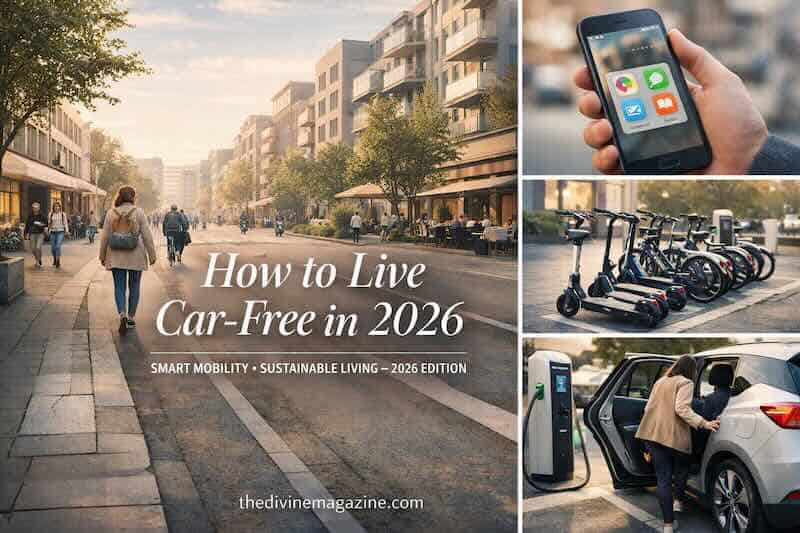
Living without a car in 2026 is no longer a radical idea — it’s a practical lifestyle choice that saves money, reduces stress, and helps the planet. Alongside cutting costs for insurance, fuel, maintenance, and parking, you’re also lowering your carbon footprint and supporting cleaner, quieter communities.
For many people, the concept still feels daunting. How will you commute, shop, or handle emergencies? The truth is, modern mobility tools and infrastructure make it easier than ever to thrive without owning a car.
Below are five updated strategies for living car‑free in 2026 — plus smart planning tips, sustainability insights, and real‑world examples.
1. Utilize Modern Public Transport
Public transport remains the backbone of car‑free living, but it’s now smarter and more integrated than ever. Buses, trains, trams, and subways are connected through Moovit and Whim — Mobility‑as‑a‑Service (MaaS) apps that let you plan, pay, and track routes in one place.
Most cities now offer contactless payments and real‑time updates. If you’re traveling with kids, check Mama Goes Beyond’s subway guide for family‑friendly tips.
2. Plan Trips Ahead of Time
Without a car, planning becomes your superpower. Use AI‑powered route planners like Google Maps and Citymapper to adjust for weather, delays, and accessibility. Subscription grocery delivery or local pickup services can help you avoid last‑minute errands.
Keep a flexible mindset — bad weather or cancellations can happen. Always have a backup option, whether it’s a nearby bike‑share or a ride‑share app. For safety in extreme conditions, review Cultural Daily’s weather safety tips.
3. Consider Ride‑Sharing and Community Transport
Ride‑sharing has evolved dramatically. Platforms like BlaBlaCar and Lyft now offer verified eco‑routes and shared electric vehicle fleets. They’re affordable, convenient, and ideal for occasional trips.
Transparency has improved too — you can check driver ratings, insurance coverage, and sustainability scores before booking. For accident information, see JLF Firm’s Uber passenger guide.
4. Walk, Cycle, or Use Micro‑Mobility
Walking and cycling remain the healthiest and most sustainable options — and cities are making them safer. Protected bike lanes, pedestrian zones, and shared e‑bike networks are now standard in most urban areas. Check EU Urban Mobility Initiatives for current projects.
Invest in comfort and safety: good shoes, reflective gear, and hydration. Smart helmets and GPS‑enabled locks add peace of mind.
5. Carpool and Build Local Connections
Carpooling remains a simple, social way to stay mobile. Coordinate with friends, family, or colleagues for shared rides to events or work. Many workplaces now support carpool programs through apps like RideAmigos.
Community transport networks and volunteer driver programs are expanding, especially in rural areas. You’d be surprised how many people are willing to help when you ask.
Conclusion: Living Car‑Free in 2026
Living without a car in 2026 is realistic, rewarding, and increasingly common. With integrated mobility apps, shared electric fleets, and improved infrastructure, you can move freely while saving money and reducing your footprint. The key is planning, flexibility, and embracing technology that makes sustainable living effortless.
FAQ: Living Without a Car (2026)
1. Is living car‑free cheaper in 2026?
Yes. Between rising fuel costs and congestion fees, most households save 30–50 % annually by switching to public and shared transport.
2. What if I live outside a major city?
Regional transport networks and community ride‑shares have expanded. Check Rome2Rio for multi‑modal rural routes.
3. How do I handle emergencies without a car?
Keep a list of local taxi or ride‑share contacts and consider short‑term car‑rental apps like Getaround for occasional use.
4. What’s the environmental benefit?
A car‑free lifestyle can cut your annual carbon footprint by up to 2 tons CO₂, according to Transport & Environment.
5. How can I make the transition easier?
Start small — one car‑free day per week — and use mobility apps to track savings and emissions reductions.