







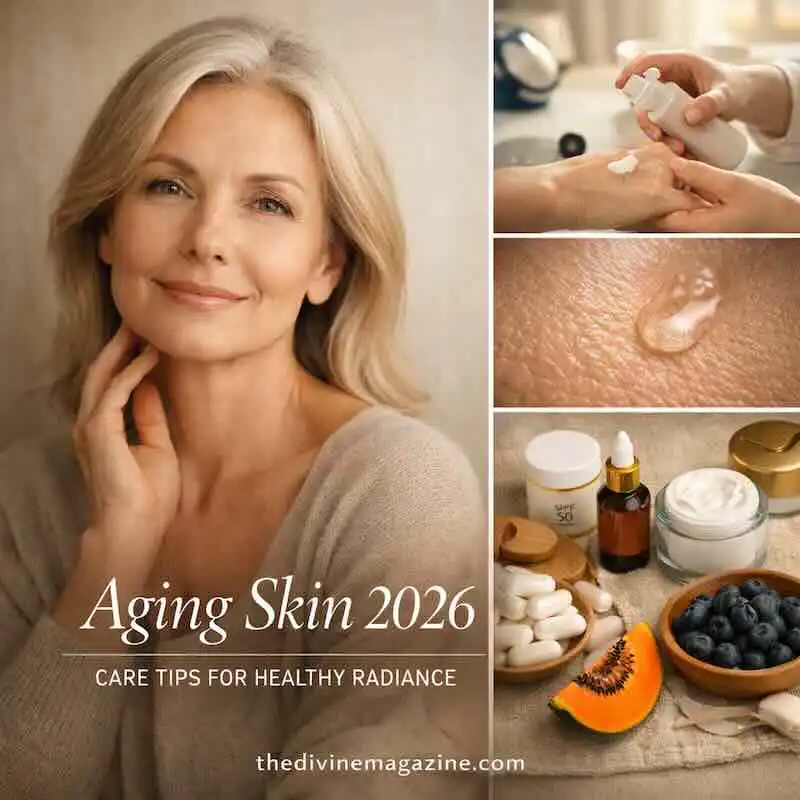
In 2026, maintaining healthy, resilient skin remains one of the most important aspects of overall well-being. As the body’s largest organ and first line of defense against environmental stressors like UV rays, pollution, and harsh weather, your skin deserves consistent care and protection. Advances in dermatology and skincare science now make it easier than ever to preserve youthful radiance while supporting long-term health.
As we age, our skin naturally changes due to both lifestyle factors and biological processes. Understanding these changes helps you choose the right treatments and preventive measures. Below are the most common signs of aging skin and expert tips for managing them effectively. For deeper insights, explore Healthline’s guide to skin aging and American Academy of Dermatology’s anti-aging recommendations.
Dark Age Spots
Often caused by prolonged sun exposure, dark age spots—flat, hyperpigmented areas—typically appear after age 50 and become more common with time. They usually form on sun-exposed areas such as the hands, arms, and chest. While harmless, many people choose to lighten them for aesthetic reasons. Treatments include bleaching creams, chemical peels, and laser therapy. Daily use of broad-spectrum sunscreen remains essential for prevention. For professional guidance, see Mayo Clinic’s overview of age spot treatments.
Dry, Itchy Skin
Dry and itchy skin, a common issue among adults, often results from reduced sweat and oil gland activity. Dehydration, poor nutrition, and overuse of harsh soaps or hot baths can worsen the condition. Fortunately, proper hydration—both internal and external—usually restores comfort. Drink plenty of water and use emollient creams or ointments. If dryness persists, consult a dermatologist, as it may signal an underlying condition. Learn more about managing dry and itchy skin and explore WebMD’s dry skin care guide.
Atypical Moles
UV radiation remains the leading cause of atypical moles and skin cancer. Regular self-examinations and sun protection are key to prevention and early detection. If a mole changes color, shape, or texture—or begins to bleed, itch, or ooze—seek medical evaluation immediately. Dermatologists can safely remove suspicious moles and perform biopsies when necessary. For more information, visit American Cancer Society’s skin cancer resource and Skin Cancer Foundation’s mole guide.
Wrinkles and Fine Lines
Wrinkles and fine lines are natural signs of aging, often appearing in the 30s or 40s. They result from sun exposure, smoking, repetitive facial movements, and genetics. While inevitable, their appearance can be minimized with consistent skincare and nutrition. Use products containing retinol, peptides, and antioxidants, and maintain a diet rich in vitamins A, C, K, and E, as well as collagen and omega-3 fatty acids. Foods like broccoli, fish, blueberries, and papaya support skin elasticity and hydration. Collagen supplements can further strengthen skin and bones. For expert advice, explore Harvard Health’s guide to skin care and aging.
Cherry Angiomas
Cherry angiomas—small red spots caused by clusters of blood vessels—are common and typically harmless. They may itch or bleed if irritated by clothing. Laser treatments performed by certified dermatologists can remove them quickly and safely. For reassurance and treatment options, see Medical News Today’s overview of cherry angiomas.
Although skin changes are among the most visible signs of aging, modern dermatology offers effective ways to manage them. With proper prevention, hydration, and professional care, you can maintain a healthy, radiant complexion well into your later years.
Conclusion
In 2026, skincare is about balance—embracing natural aging while using science-backed methods to protect and nourish your skin. Regular sunscreen use, hydration, and mindful nutrition remain the cornerstones of healthy skin. Whether you choose advanced treatments or simple daily care, consistency is key. Healthy skin reflects not just beauty but overall vitality and self-care.
FAQ: Aging Skin Care 2026
1. What’s the best sunscreen for aging skin?
Choose a broad-spectrum SPF 50+ sunscreen with moisturizing ingredients like hyaluronic acid or ceramides. For recommendations, see Allure’s best sunscreens for 2026.
2. How often should I exfoliate mature skin?
Gentle exfoliation once or twice a week helps remove dead cells without irritation. Avoid harsh scrubs and opt for chemical exfoliants containing lactic or glycolic acid.
3. Are collagen supplements effective?
Studies suggest collagen peptides can improve skin elasticity and hydration. Combine supplements with a balanced diet and topical collagen-boosting products for best results.
4. What foods support skin health?
Include antioxidant-rich foods like berries, leafy greens, and fatty fish. These nutrients combat oxidative stress and promote collagen production.
5. When should I see a dermatologist?
If you notice sudden changes in moles, persistent dryness, or unexplained irritation, schedule a professional evaluation. Early intervention ensures effective treatment and peace of mind.