







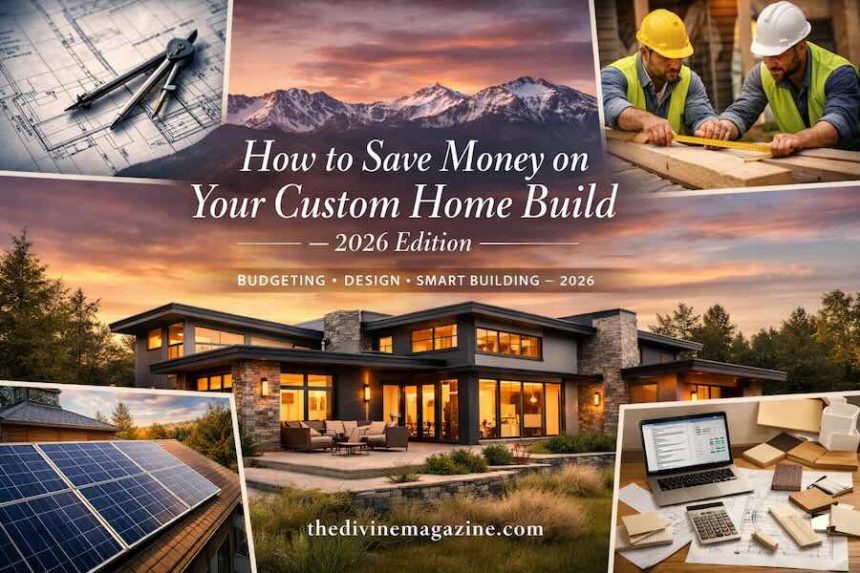
Building a custom home is a goal that many homeowners hold dear, seeing it as a worthwhile achievement. However, the cost of building a custom home can be overwhelming. Custom home prices can vary widely, depending on various factors such as location, size, materials, and finishes.
- Tips to Reduce Custom Home Building Costs
- 1. Plan Ahead
- 2. Work with an Experienced Custom Home Builder
- 3. Choose the Right Lot
- 4. Consider Energy-Efficient Features
- 5. Opt for Simple Designs
- 6. Consider Alternative Building Materials
- 7. DIY Where You Can
- 8. Shop Around for Materials and Supplies
- 9. Avoid Over Customization
- 10. Consider Financing Options
- 11. Keep Your Timeline in Mind
- 12. Be Open to Compromises
- Conclusion
- Additional Insights for 2026: Smarter Ways to Reduce Custom Home Costs
- Conclusion (2026 Update)
- FAQ: Custom Home Building Costs (2026)
If you’re planning to build a custom home in Colorado or anywhere else, it’s essential to have a budget in mind and find ways to save money without sacrificing quality. In this blog post, we’ll share some cost-cutting tips for homeowners to reduce custom home-building costs.
Tips to Reduce Custom Home Building Costs
1. Plan Ahead
Planning ahead is crucial when it comes to building a custom home. Take the time to research and plan every aspect of your home. Make a list of all the features you want and prioritize them according to your budget.
When you have a plan in place, you can avoid making last-minute changes or additions that can add to the overall cost of your home. Changes made during the construction phase can be costly, so it’s best to have a clear idea of what you want before the construction starts.
2. Work with an Experienced Custom Home Builder
Working with an experienced custom home builder can save you money in the long run. A good builder will have the expertise to help you make informed decisions about the materials and finishes that can help you save money without compromising on quality.
They can also help you identify areas where you can cut costs, such as using energy-efficient materials, reducing square footage, or selecting cost-effective finishes.
In Colorado, there are a lot of reliable custom builders that will help make your dream home into a reality. Ask different custom builders for a custom home price in Colorado. Don’t just focus on one, others might give you a cheaper deal that suits your budget.
3. Choose the Right Lot
Choosing the right lot is an important decision when building a custom home. The location, size, and shape of the lot can all impact the overall cost of construction. Finding the right lot can be a challenge, but these tips can make the process easier:
- Research the location: The location of your lot can impact the overall cost of construction, as well as your lifestyle. Consider factors such as school district, proximity to work, and access to amenities when choosing your lot. Additionally, research the local real estate market to ensure that the lot is a good investment.
- Look for a level lot: Building on a sloped or uneven lot can add to the cost of construction. Look for a lot that is relatively level to minimize the amount of site work required.
- Consider the shape and size: Oddly shaped lots or lots with unusual dimensions can impact the design and cost of construction. Choose a lot with a regular shape and size to make the design and construction process easier and more cost-effective.
- Check for utilities and infrastructure: The cost of bringing utilities to your lot can vary depending on the location and distance from existing infrastructure. Research the availability of utilities such as water, sewer, and electricity to ensure that the cost of connecting to these services is within your budget.
- Factor in site work: Site work, such as grading, excavation, and landscaping, can add significantly to the cost of construction. Choose a lot that requires minimal site work to keep costs down.
By taking the time to choose the right lot, you can save money on the overall cost of construction and create a home that fits your lifestyle and budget.
4. Consider Energy-Efficient Features
Energy-efficient features can help you save money on your custom home in the long run. Incorporating features such as solar panels, insulation, and efficient HVAC systems can reduce your energy bills and improve the overall efficiency of your home.
The integration of energy-saving features into your custom home not only yields cost savings but also boosts its resale potential.
5. Opt for Simple Designs
While intricate designs and features can add to the overall appeal of your custom home, they can also add to the overall cost. Choosing a simple design with fewer features and finishes can help you save money without sacrificing quality.
Simpler designs are also more timeless and can increase the resale value of your home.
6. Consider Alternative Building Materials
Traditional building materials such as wood and brick can be costly. Consider using alternative materials such as steel, concrete, or modular construction. These materials are more cost-effective and can be just as durable and attractive as traditional materials.
If you’re building in the Pacific Northwest, local specialists in Bellingham concrete and rebar repair can also assess and reinforce concrete structures at a fraction of the cost of full replacements, making concrete a smart long-term choice.
7. DIY Where You Can
DIY projects can help you save money on your custom home. Consider taking on some projects yourself, such as:
- Painting
- Landscaping
- Installing fixtures
However, be mindful of your skills and experience level. Taking on projects that are beyond your capabilities can end up costing you more in the long run.
8. Shop Around for Materials and Supplies
Shopping around for materials and supplies can help you find the best deals and save money on your custom home. Look for the following:
- Discounts
- Sales
- Clearance items
Don’t be afraid to negotiate prices with suppliers and vendors. You can also consider buying materials in bulk to save even more money.
9. Avoid Over Customization
Customization is one of the main reasons why people choose to build their own homes. However, over-customization can quickly drive up costs. Here are some tips to avoid over-customizing your home:
- Stick to the basics: Consider what is essential for your lifestyle and focus on those features. For example, a home theatre or wine cellar may be nice to have, but if you rarely use those amenities, they may not be worth the added cost.
- Avoid trendy features: Trendy features may look great now, but they may not age well. Additionally, unique features can be costly to maintain or replace if they break or become outdated.
- Think about resale value: While you may plan to live in your custom home for many years, it is important to consider its resale value. Over-customizing can make it difficult to sell your home down the line if the features are too personalized to your own taste.
- Limit upgrades: Upgrades are a great way to customize your home, but they can add up quickly. Set a budget for upgrades and stick to it to avoid overspending.
- Consider alternative customization methods: Customization doesn’t have to come at a high cost. Consider alternative methods of customization, such as adding a fresh coat of paint or switching out the hardware on cabinets and doors.
Overall, the key to avoiding over-customization is to strike a balance between personalization and practicality. By focusing on the features that are essential to your lifestyle and avoiding trendy or excessive upgrades, you can save money and still achieve your dream home.
10. Consider Financing Options
Financing a custom home can be challenging, but there are several options available to homeowners. Consider working with a lender who specializes in custom home financing. A good lender can help you understand your options and find the financing that fits your budget.
11. Keep Your Timeline in Mind
Rushing to complete a custom home project can lead to added costs in the future. Also, rushing can lead to poor decision-making, missed deadlines, and costly mistakes.
Take your time and plan your project with a realistic timeline in mind. This will help you avoid costly mistakes and stay on budget.
12. Be Open to Compromises
Building a custom home requires compromise. While you may have a specific vision in mind, certain features or materials may not fit within your budget. Being open to compromises can help you save money and still achieve your desired outcome.
Here are some ways to approach compromises when building a custom home:
- Consider alternative materials: If the material you originally wanted is too expensive, look for alternative options that can provide a similar look and feel at a lower cost. For example, you may opt for engineered hardwood instead of solid hardwood flooring, or quartz instead of granite countertops.
- Prioritize your must-haves: Make a list of the features that are essential to your lifestyle and prioritize those over the nice-to-haves. For example, if a large kitchen is a must-have for you, consider scaling back on the size of your living room or bedroom to make up for the added cost.
- Choose a simpler design: Complex architectural designs can be expensive to build. Consider simplifying your design to save money on construction costs.
- Be flexible with your timeline: Rushing to complete a custom home project can lead to added costs. Be willing to adjust your timeline to accommodate budget-friendly alternatives.
- Consider finishing the project later: If there are certain features or finishes that you really want but cannot afford right now, consider leaving those for later. For example, you may choose to install basic light fixtures now and upgrade to more luxurious ones down the road when you have more funds available.
Remember, compromising does not mean sacrificing quality or style. With the right mindset and approach, you can find ways to save money without sacrificing your vision for your dream home.
Conclusion
Building a custom home can be a significant investment, but with the right planning and cost-cutting strategies, it can be done without breaking the bank. By following the tips above, homeowners can save money on their custom home projects without sacrificing quality.
If you’re planning to build a custom home, keep in mind that custom home prices can vary widely. It’s essential to work with an experienced custom home builder who can help you find ways to reduce costs without compromising on quality.
Additional Insights for 2026: Smarter Ways to Reduce Custom Home Costs
In 2026, custom home building continues to evolve with new technologies, rising material costs, and shifting design trends. Homeowners now have more opportunities than ever to save money through strategic planning, modern construction methods, and energy‑efficient upgrades. One of the most effective ways to reduce long‑term expenses is to incorporate sustainable building practices early in the design phase. Resources like Energy.gov’s Efficient Home Design Guide offer valuable insights into insulation, window placement, and passive solar strategies that can significantly lower utility bills.
Another growing trend is the use of prefabricated and modular components, which can shorten construction timelines and reduce labor costs. Companies specializing in modular builds often provide transparent pricing and predictable schedules, helping homeowners stay within budget. For inspiration, explore modern modular concepts at ArchDaily.
Homeowners should also consider leveraging digital tools for project management. Platforms like Buildertrend or CoConstruct help track expenses, timelines, and change orders—reducing the risk of costly surprises. With inflation affecting material prices, monitoring costs in real time is more important than ever.
Finally, remember that flexibility is one of your greatest assets. Being open to alternative materials, simplified layouts, or phased upgrades can dramatically reduce your overall investment while still delivering a beautiful, functional home tailored to your lifestyle.
Conclusion (2026 Update)
Building a custom home remains a major financial commitment, but with thoughtful planning, smart material choices, and the right builder, it’s entirely possible to stay on budget. By combining traditional cost‑saving strategies with modern tools and energy‑efficient solutions, homeowners can create a durable, stylish, and future‑ready home without overspending. The key is balance—prioritizing what matters most while staying flexible and informed throughout the process.
FAQ: Custom Home Building Costs (2026)
1. What is the biggest factor affecting custom home cost?
Location and material prices remain the largest cost drivers. Labor shortages and supply chain delays can also influence final pricing.
2. Are energy‑efficient homes more expensive to build?
Upfront costs may be slightly higher, but long‑term savings on utilities often outweigh the initial investment. Incentives may also be available—check Energy.gov Savings Programs.
3. How can I avoid going over budget?
Finalize your design early, track expenses digitally, and include a 10–15% contingency fund for unexpected costs.
4. Is modular construction really cheaper?
Often yes—modular builds reduce labor time and waste. They also offer predictable pricing and faster completion.
5. Should I hire an architect or use builder‑provided plans?
Builder‑provided plans are usually more affordable. Hire an architect only if you need highly customized features.