






Core Categories of Medical Spa Treatments
Medical spas offer a diverse range of treatments, often categorized by their modality and the specific aesthetic concerns they address. Understanding this treatment taxonomy is crucial for prospective patients to navigate the options effectively. While the American Med Spa Association identifies 24 distinct treatments across five primary service categories, these generally fall under non-invasive or minimally invasive modalities designed to rejuvenate the skin, sculpt the body, and restore a youthful appearance without the downtime and risks associated with traditional surgery. These advanced procedures leverage cutting-edge technology and medical-grade products to deliver noticeable and lasting results.
- Core Categories of Medical Spa Treatments
- Modality Primary Action Common Uses Invasiveness Level Typical Downtime Neuromodulators Relaxes muscle contractions Smooth dynamic wrinkles (forehead, frown lines, crow’s feet) Minimally invasive Minimal Dermal Fillers Adds volume, fills lines Restore volume, plump lips, soften static wrinkles, contour Minimally invasive Minimal to moderate **Laser Resurfacing Removes outer skin layers, stimulates collagen Fine lines, wrinkles, sun damage, scars, pigmentation Minimally invasive Moderate Microneedling Creates micro-injuries, stimulates collagen Acne scars, texture, pores, fine lines Minimally invasive Minimal to moderate Ultrasound Lifting Heats deep tissue, tightens Lift and tighten skin on face, neck, chest Non-invasive None Chemical Peels Exfoliates outer skin layers Acne, pigmentation, texture, fine lines Non-invasive Minimal to moderate Injectable Medical Spa Treatments
- Energy-Based Medical Spa Treatments
- Skin Resurfacing and Surface Modalities
- Evaluating Med Spa Quality, Supervision, and Safety Standards
- Nonsurgical Aesthetic Procedures vs. Surgical Options
- Assessing Treatment Plans, Curated Skincare, and Memberships
- Frequently Asked Questions About Medical Aesthetic Care
- How do I determine if a nonsurgical procedure or surgery is better for my aesthetic goals?
- What is the clinical distinction between microdermabrasion and dermabrasion?
- How involved should a medical director be in daily med spa operations?
- Conclusion

When considering facial treatments, it’s helpful to understand the differences in approach. Here’s a comparison of some common nonsurgical facial modalities:
Modality Primary Action Common Uses Invasiveness Level Typical Downtime Neuromodulators Relaxes muscle contractions Smooth dynamic wrinkles (forehead, frown lines, crow’s feet) Minimally invasive Minimal Dermal Fillers Adds volume, fills lines Restore volume, plump lips, soften static wrinkles, contour Minimally invasive Minimal to moderate **Laser Resurfacing Removes outer skin layers, stimulates collagen Fine lines, wrinkles, sun damage, scars, pigmentation Minimally invasive Moderate Microneedling Creates micro-injuries, stimulates collagen Acne scars, texture, pores, fine lines Minimally invasive Minimal to moderate Ultrasound Lifting Heats deep tissue, tightens Lift and tighten skin on face, neck, chest Non-invasive None Chemical Peels Exfoliates outer skin layers Acne, pigmentation, texture, fine lines Non-invasive Minimal to moderate Injectable Medical Spa Treatments
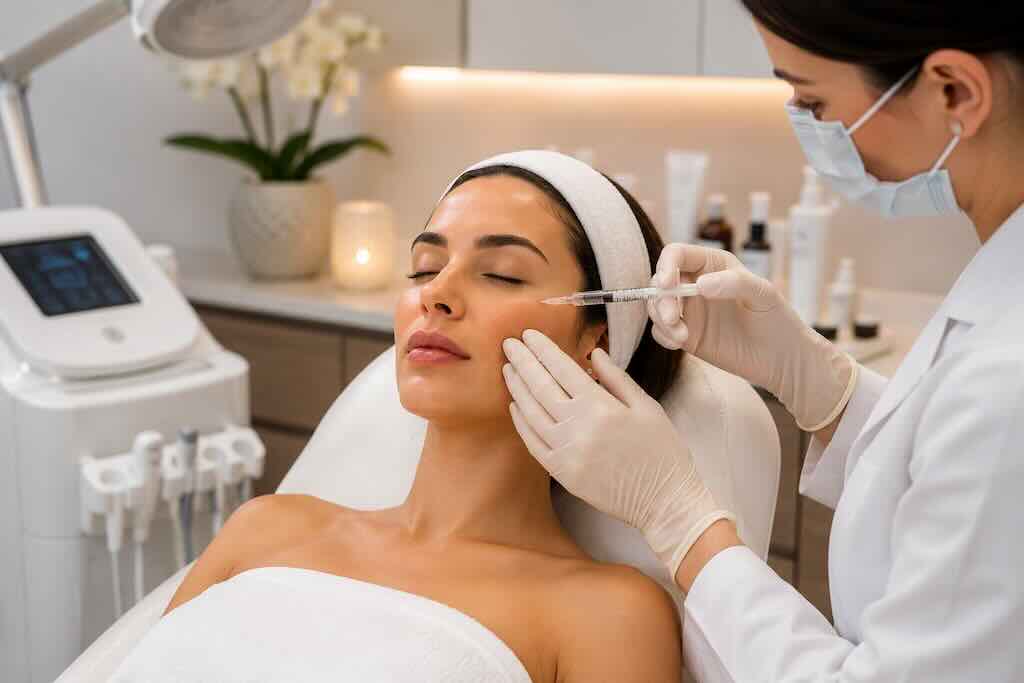
Injectable treatments remain among the most popular and effective non-surgical options at medical spas. They offer significant aesthetic improvements with minimal downtime.
Neuromodulators, such as Botulinum Toxin A (Botox, Dysport, Xeomin), work by temporarily relaxing the muscles responsible for dynamic wrinkles. These are the lines that appear with facial expressions, such as frown lines between the eyebrows, crow’s feet around the eyes, and horizontal forehead lines. By reducing muscle activity, neuromodulators smooth out these wrinkles, creating a more rested and youthful appearance. The effects typically last for three to four months, requiring follow-up treatments for maintenance.
Dermal fillers, on the other hand, are designed for volume restoration and to diminish static wrinkles – those that are present even when the face is at rest. Composed of substances like hyaluronic acid, calcium hydroxylapatite, or poly-L-lactic acid, fillers can plump thin lips, enhance shallow contours, soften facial creases, remove wrinkles, and improve the appearance of recessed scars. They are also used for facial contouring, such as defining cheekbones or jawlines. The longevity of dermal fillers varies widely depending on the product used and the area treated, ranging from six months to over two years.
A newer, advanced injectable option is the Platelet-Rich Fibrin (PRF) Facelift. Similar to Platelet-Rich Plasma (PRP), PRF utilizes a concentration of your own platelets, growth factors, and white blood cells derived from a small blood sample. Unlike PRP, PRF forms a fibrin matrix that releases growth factors more slowly over time, offering sustained regeneration and volume. This treatment is increasingly used for skin rejuvenation, improving texture, tone, and overall skin health, as well as for subtle volume enhancement and addressing dynamic wrinkles in a more natural way.
Energy-Based Medical Spa Treatments
Energy-based treatments harness various forms of energy to stimulate the skin’s natural regenerative processes, tighten tissue, and address a range of concerns from pigmentation to unwanted hair.
Radiofrequency (RF) energy is a versatile technology used for skin tightening and contouring. Devices like Venus Versa™ Tribella™ deliver controlled RF energy deep into the skin, heating the underlying tissues. This thermal energy stimulates collagen and elastin production, leading to firmer, smoother skin and a reduction in fine lines and wrinkles. RF is often used on the face, neck, and body for non-invasive lifting and tightening. Vaginal rejuvenation using radiofrequency is also a growing area, addressing concerns related to laxity and dryness often associated with aging or childbirth.
Laser resurfacing treatments utilize concentrated light beams to remove damaged outer layers of skin, revealing fresher, healthier skin underneath. Lasers can be ablative (removing tissue) or non-ablative (heating tissue without removal). They are highly effective for reducing fine lines, wrinkles, acne scars, sun damage, and improving overall skin texture and tone. Specific laser wavelengths are also used for laser hair removal, targeting melanin in the hair follicle to inhibit future hair growth.
Ultrasound lifting, exemplified by technologies like Ultherapy, uses focused ultrasound energy to penetrate deep into the skin’s foundational layers, stimulating collagen production and causing tissue tightening. This non-invasive procedure is particularly effective for lifting and firming loose skin on the face, neck, and chest, offering a subtle yet noticeable lift without surgery.
Broad-Band Light (BBL) treatments, such as BBL Corrective™, use intense pulsed light to target various skin concerns. BBL is excellent for correcting sun damage, age spots, redness, and small blood vessels, leading to a more even skin tone and brighter complexion. It can also stimulate collagen production, contributing to overall skin rejuvenation.
Skin Resurfacing and Surface Modalities
These treatments focus on improving the skin’s outermost layers, addressing texture, tone, and superficial imperfections.
Microneedling is a popular procedure that involves using a device, such as SkinPen®, to create tiny, controlled micro-injuries in the skin. These micro-channels stimulate the body’s natural wound healing process, leading to increased collagen and elastin production. Microneedling is highly effective for improving the appearance of acne scars, fine lines, wrinkles, enlarged pores, and overall skin texture. It’s safe for most skin types and is often recommended for individuals aged 22 and older for treating facial acne scars.
Microdermabrasion is a mild exfoliation technique that uses a device to gently sand the skin, removing the outermost layer of dead skin cells. It’s effective for treating light scarring, discoloration, sun damage, and stretch marks, resulting in a smoother, brighter complexion.
In contrast, Dermabrasion is a more aggressive resurfacing technique. It involves a rapidly rotating device to remove the entire top layer of skin. Dermabrasion is typically reserved for more significant skin concerns, such as deeper scars caused by surgery or accidents, severe sun damage, and some types of wrinkles. Due to its more invasive nature, it requires a longer recovery period compared to microdermabrasion.
Chemical exfoliation, commonly known as chemical peels, involves applying a chemical solution to the skin to remove damaged outer layers. Peels vary in strength, from superficial to deep, and can address concerns like acne, pigmentation issues, fine lines, and uneven skin tone.
Dermaplaning is a physical exfoliation method that uses a sterile surgical scalpel to gently scrape off the top layer of dead skin cells and vellus hair (peach fuzz). This leaves the skin exceptionally smooth, enhances product penetration, and creates a flawless canvas for makeup application.
Finally, Scar revision treatments encompass a variety of techniques, including microneedling, laser therapy, and specialized topical applications, aimed at improving the appearance of scars resulting from acne, injuries, or surgery. The specific approach depends on the type, size, and location of the scar.
Evaluating Med Spa Quality, Supervision, and Safety Standards
Choosing a medical spa requires careful consideration beyond just the menu of services. The quality of care, the credentials of the practitioners, and the safety protocols in place are paramount to ensuring effective and safe outcomes. As of August 2026, the industry continues to evolve, making informed decision-making more critical than ever.

Physician Supervision and State Compliance
A medical spa is defined by the fact that it operates under the supervision of a licensed physician. However, the extent of this supervision can vary significantly, often depending on state regulations. Some states require direct, on-site supervision for certain procedures, while others allow for more indirect oversight. It is crucial to understand that the supervising physician is ultimately responsible for maintaining practice standards, overseeing daily operations, and ensuring proper training for all staff.
For optimal safety and efficacy, we recommend seeking a med spa where the supervising physician is actively involved in the facility. This involvement should extend to consulting on complex cases, reviewing treatment protocols, and ensuring that all medical aesthetic services adhere to the highest standards of care. Ideally, the medical director should be board-certified in a relevant specialty, such as dermatology or plastic surgery. This expertise ensures a deeper understanding of both the aesthetic and medical implications of treatments. Emergency protocols must be clearly established and rehearsed, and the facility should demonstrate full compliance with all local, state, and federal regulations governing medical aesthetic practices.
Essential Questions to Ask Your Practitioner
Before undergoing any treatment, empowering yourself with knowledge is key. Asking the right questions can provide invaluable insights into the med spa’s quality and the practitioner’s expertise. Here is a list of key questions to ask during your consultation:
- What are your specific credentials and certifications for performing this treatment? (e.g., Nurse Practitioner, Physician Assistant, Registered Nurse, Licensed Aesthetician, and their specialized training).
- How many times have you performed this particular treatment? (Experience matters, especially for injectables and energy-based devices).
- What type of training is required to use this particular piece of equipment? (Ensure they are certified by the manufacturer).
- Do you have before-and-after photos of your patients who have had this procedure? (This helps set realistic expectations and demonstrates their results).
- What are the potential risks, side effects, and contraindications associated with this treatment? (A thorough explanation is a sign of a responsible provider).
- What is the typical downtime or recovery period for this procedure? (Plan accordingly).
- How frequently will I need this treatment to maintain results? (Understand the long-term commitment).
- How involved is the supervising physician in daily operations and patient consultations? (Look for active involvement).
- What is the protocol for managing complications or adverse reactions? (Ensures patient safety).
- Are the products used medical-grade and FDA-approved (where applicable)? (Ensures quality and safety).
Nonsurgical Aesthetic Procedures vs. Surgical Options
The decision between pursuing nonsurgical aesthetic procedures at a medical spa and opting for traditional cosmetic surgery is a significant one, often dependent on individual goals, desired outcomes, and tolerance for invasiveness and recovery. Medical spas excel in offering a wide array of non-invasive or minimally invasive treatments that can significantly rejuvenate appearance without the need for incisions, general anesthesia, or extensive downtime.
Nonsurgical procedures, such as injectables, laser therapies, and advanced skin treatments, are ideal for addressing concerns like fine lines, wrinkles, volume loss, uneven skin tone, and mild skin laxity. They offer gradual, natural-looking results and typically involve minimal to no recovery time, allowing patients to return to their daily activities almost immediately. The primary appeal lies in their convenience and lower risk profile compared to surgery. However, their results are generally temporary, requiring maintenance treatments to sustain the desired effect.
Surgical options, on the other hand, are designed for more dramatic and permanent changes, particularly when addressing significant skin laxity, excess fat, or anatomical structural changes. Procedures like facelifts, liposuction, and abdominoplasty can reposition tissues, remove substantial amounts of skin or fat, and reshape body contours in ways that nonsurgical methods cannot. While surgery offers long-lasting results, it comes with increased risks, longer recovery periods, and higher costs.
The choice between these paths often comes down to the degree of correction desired and the underlying anatomical issues. For instance, while ultrasound lifting can provide a subtle lift for mild to moderate skin sagging, a surgical facelift might be necessary for significant jowl formation or severe neck banding. An experienced medical professional, particularly one with expertise in both surgical and nonsurgical interventions, can provide the most comprehensive guidance. For those considering more extensive body or facial reconstruction, understanding the nuances of reconstructive plastic surgery is vital, as it often bridges the gap between aesthetic enhancement and functional restoration. A qualified plastic surgeon can offer insights into the full spectrum of options, ensuring the chosen path aligns with both aesthetic desires and medical appropriateness.
Assessing Treatment Plans, Curated Skincare, and Memberships
A truly effective medical spa goes beyond offering a menu of services; it provides a holistic approach to skincare and aesthetic enhancement. This involves personalized treatment plans, carefully curated product selections, and often, membership options designed for ongoing maintenance.
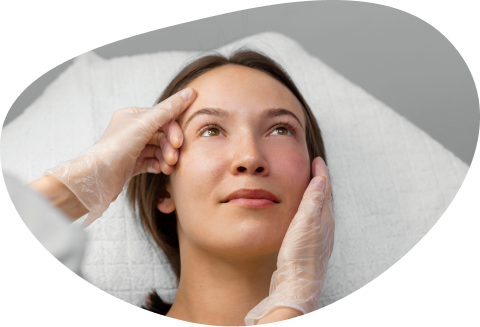
One of the hallmarks of a quality med spa is its ability to objectively assess your skin and track progress. Technologies like high-resolution skin imaging systems are invaluable in this regard. These systems can analyze baseline skin damage, identify underlying concerns like sun damage, pigmentation, and pore size, and quantitatively track improvements over time. This data-driven approach ensures that treatment plans are tailored to your specific needs and that the effectiveness of interventions can be scientifically evaluated. This level of detail is crucial for delivering truly personalized aesthetics, ensuring that every treatment is precisely matched to your unique skin profile and goals.
Furthermore, the selection of skincare products available at a medical spa speaks volumes about its commitment to quality. Reputable med spas will offer a carefully curated range of medical-grade skincare lines, chosen for their proven efficacy and scientific backing. Staff should be able to articulate why specific product lines were selected, how they complement the in-office treatments, and how they contribute to long-term skin health. This thoughtful approach to product curation reflects a deeper understanding of skin biology and a commitment to providing patients with tools for sustained results. Provider accountability is also key here; a good med spa will ensure that practitioners are not only skilled in performing treatments but also knowledgeable about the products they recommend.
Subscription Models and Ongoing Maintenance
Recognizing that aesthetic results are often best maintained through consistent care, many medical spas now offer subscription or membership programs. These models are designed to make ongoing skincare treatments more accessible and budget-friendly.
Membership programs typically involve a monthly fee that grants members access to discounted treatments, exclusive services, or credits that can be applied towards various procedures. This approach encourages regular, scheduled upkeep, which is essential for preserving the benefits of treatments like facials, chemical peels, and even injectables. For example, a membership might include a monthly facial or a certain percentage off neuromodulator touch-ups.
The benefits of such models are manifold. For patients, they offer cost efficiency, predictable budgeting for skincare, and the convenience of scheduled reminders for appointments. For the med spa, they foster client loyalty and ensure a steady flow of returning patients, allowing for a more consistent and impactful approach to patient care. These programs are particularly beneficial for individuals committed to long-term skin health and anti-aging strategies, as they provide a structured pathway to achieve and maintain their aesthetic goals.
Frequently Asked Questions About Medical Aesthetic Care
As the field of medical aesthetics continues to grow and innovate, many common questions arise for individuals considering treatments. We aim to provide clear, concise answers to help you make informed decisions.
How do I determine if a nonsurgical procedure or surgery is better for my aesthetic goals?
The decision between a nonsurgical procedure and surgery hinges primarily on the extent of correction you desire, the severity of your concerns, and your tolerance for downtime and risk. Nonsurgical treatments are excellent for addressing mild to moderate signs of aging, such as fine lines, wrinkles, minor volume loss, and superficial skin imperfections. They offer natural-looking results with minimal recovery and are ideal for maintenance or for those not ready for surgery.
Conversely, surgery is typically recommended for more significant concerns, such as substantial skin laxity (e.g., significant jowls or sagging eyelids), large pockets of unwanted fat, or structural changes that require repositioning of tissues. Surgical results are generally more dramatic and long-lasting, but they involve greater invasiveness, longer recovery periods, and higher costs.
The best approach is to consult with a qualified medical professional, ideally one who understands both surgical and nonsurgical options. They can assess your specific anatomy, discuss your aesthetic goals, and recommend the most appropriate and effective treatment plan tailored to your needs.
What is the clinical distinction between microdermabrasion and dermabrasion?
While both microdermabrasion and dermabrasion are skin resurfacing techniques, they differ significantly in their invasiveness and the depth of skin they treat.
Microdermabrasion is a mild, non-invasive exfoliation technique. It uses a device to gently abrade the outermost layer of dead skin cells (stratum corneum) using fine crystals or a diamond-tipped wand. It is effective for improving superficial concerns like light scarring, minor discoloration, sun damage, and uneven skin texture. It requires no downtime, and patients can typically resume normal activities immediately.
Dermabrasion, on the other hand, is a much more invasive procedure. It involves using a rapidly rotating wire brush or burr to deeply abrade the skin, removing the entire top layer (epidermis) and often reaching into the dermis. This technique is reserved for more significant skin issues, such as deep scars (e.g., from severe acne or trauma), severe sun damage, and deep wrinkles. Due to its depth, dermabrasion requires local or general anesthesia and involves a significant recovery period, often with redness, swelling, and crusting for several weeks. It is typically performed by a dermatologist or plastic surgeon.
How involved should a medical director be in daily med spa operations?
The ideal level of involvement for a medical director in a med spa’s daily operations is a critical indicator of quality and safety. While state regulations vary, we advocate for a medical director who is actively and meaningfully engaged, rather than just serving as a name on the wall.
A highly involved medical director should:
- Oversee all medical protocols and procedures: Ensuring that treatments are performed safely and effectively.
- Provide direct supervision: Especially for complex procedures, or be readily available for consultation.
- Ensure staff training and competency: Verifying that all practitioners are properly licensed, certified, and trained on the specific devices and techniques they use.
- Conduct regular chart reviews: Monitoring patient outcomes and safety.
- Be accessible for patient consultations: Particularly for complex cases or when adverse events occur.
- Maintain compliance: Ensuring the facility adheres to all relevant medical and aesthetic regulations.
A medical director who is frequently on-site, participates in staff meetings, and actively reviews patient cases demonstrates a strong commitment to patient safety and the highest standards of care. This level of engagement provides an essential layer of medical oversight that protects both patients and the practice.
Conclusion
The landscape of medical spa treatments in August 2026 offers an exciting array of options for individuals seeking aesthetic enhancement without surgical intervention. From the precision of injectables to the regenerative power of energy-based devices and the transformative effects of skin resurfacing, these advanced modalities provide effective pathways to rejuvenation.
Making informed decisions is paramount. We encourage prospective patients to prioritize quality by thoroughly researching potential med spas, verifying practitioner credentials, and understanding the extent of physician supervision. Asking essential questions about experience, safety protocols, and expected outcomes empowers you to choose a provider who aligns with your values and aesthetic goals.
The journey to enhanced appearance is a partnership between you and your chosen medical aesthetic professional. By seeking out facilities that prioritize customized care, objective evaluation through tools like high-resolution skin imaging, and a commitment to patient safety, you can confidently navigate medical spa treatments and achieve the radiant, refreshed look you desire.