







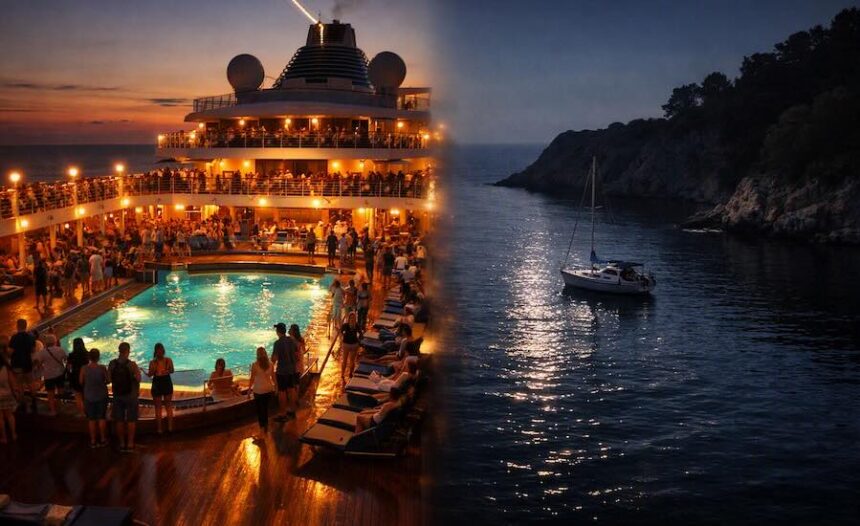
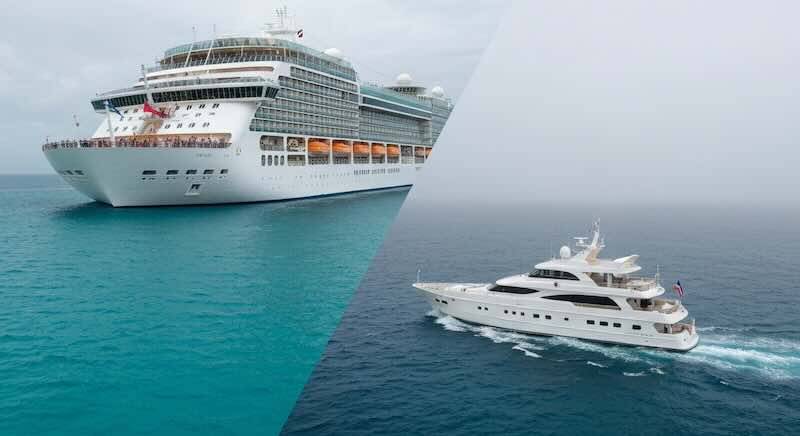
Two ships can leave the same port on the same afternoon and arrive at entirely different vacations. In 2026, the gap between them has never been wider — on one side, mega-liners built like small cities; on the other, private yachts built around a single guest list. The choice isn’t about luxury versus budget anymore. It’s about what kind of week you actually want.
- The Allure of Mega Ships: Size and Spectacle
- Amenities and Entertainment: A Floating City Experience
- The Social Dynamics: Meeting People in Mass Settings
- The Intimacy of Smaller Yachts: Personalized Luxury
- Exclusive Access: Unique Destinations and Itineraries
- Tailored Services: A Personalized Sailor’s Experience
- Balancing Budget and Experience: Value Assessment
- Traveler Profiles: Finding the Ideal Fit
- Environmental Considerations in Cruise Choices
- Conclusion
- Frequently Asked Questions
Time, budget, and social appetite all pull in different directions here. Mega ships offer endless amenities and lively entertainment, while yachts deliver privacy and personalized service. Weigh in crowding and weather vulnerability, and the right choice becomes less about prestige and more about honest self-knowledge.
Key Takeaways:
- Mega ships deliver abundant onboard amenities, entertainment, and family-friendly options — best for travelers who want variety and a lively atmosphere.
- Small ships and intimate yachts offer personalized service, quieter vibes, and access to shallow or remote ports — best for couples, active explorers, and luxury seekers.
- Choose by priorities: onboard activities vs. destination access, social scene vs. privacy, and budget vs. exclusivity to match ship size to your travel style.
The Allure of Mega Ships: Size and Spectacle
Royal Caribbean’s Oasis-class stretches over 1,188 feet and carries well over 5,000 passengers — less a vessel than a floating skyline. Central Park, Boardwalk, AquaTheater: distinct “neighborhoods” stacked across 16-plus decks, each with its own rhythm. Zip lines and surf simulators sit a deck away from spa floors and quiet promenades. The effect is constant, layered, alive.
Amenities and Entertainment: A Floating City Experience
Many megaships run 20-plus dining and bar options, alongside Broadway-style production shows, ice shows, IMAX theaters, water parks, and dedicated kids’ academies. Families and thrill-seekers get parallel programming, so nobody has to compromise on the same afternoon. Booking specialty restaurants and evening shows early through the ship app tends to secure the best seats and the quieter time slots. For ship-by-ship detail, Cruise Critic remains the most reliable resource for planning a family-centric sailing.
The Social Dynamics: Meeting People in Mass Settings
With thousands of fellow travelers onboard, niche meetups, trivia leagues, dance classes, and single-traveler mixers fill fast — ideal for instant connection. The trade-off is density: long lines, louder rooms, and one-on-one conversation that has to be sought out rather than stumbled into.
The ship’s app and daily program are the real tools here — use them to find smaller-interest events, reserve specialty dining or shore excursions early, and time your own quiet moments around port days, when much of the ship empties out. Cruise-specific Facebook groups are worth joining before sailing to arrange meetups in advance. Health matters too: norovirus outbreaks have occurred on crowded ships, so strict hand hygiene, relevant vaccinations, and travel insurance are worth the small effort. The CDC Travel Health guidelines carry the latest on maritime health safety.
The Intimacy of Smaller Yachts: Personalized Luxury
Exclusive Access: Unique Destinations and Itineraries
Coves, private anchorages, tiny ports that mega-ships must sail past entirely — this is where yachts earn their price. Positano’s narrow harbor, hidden Croatian islets: many boutique yachts draw less than 4 meters, letting them land where large vessels simply can’t. Operators build itineraries around tidal windows and local events, though narrow channels and unmarked shoals raise real grounding risk without expert navigation.
Tailored Services: A Personalized Sailor’s Experience
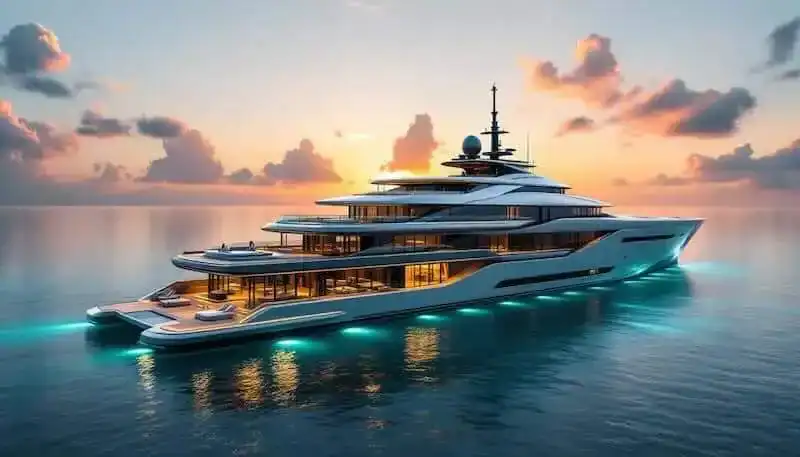
Crew-to-guest ratios on smaller yachts typically run about 1:1 to 1:3 — close enough that staff learn preferences by day two, craft bespoke menus, and arrange excursions on short notice. Dive instructors, private guides, and watersports gear are standing by rather than scheduled. That’s the real difference from a mega-ship program: pace becomes something you set, not something you follow. For the latest on the charter market, SuperYacht Times tracks trends across the industry, and established operators like Seabourn illustrate how far small-ship luxury has evolved.
The specifics tell the story: a seven-guest charter often includes a captain, chef, first mate, and steward — so dinner requests, snorkel timings, and shore pickups are handled instantly, without a queue. Specific wines, curated shore experiences with local guides, wellness treatments — all on request. Medical facilities are limited onboard, though, so operators lean on shore-based medevac plans for serious incidents, which shapes itinerary choices in more remote regions.
Balancing Budget and Experience: Value Assessment
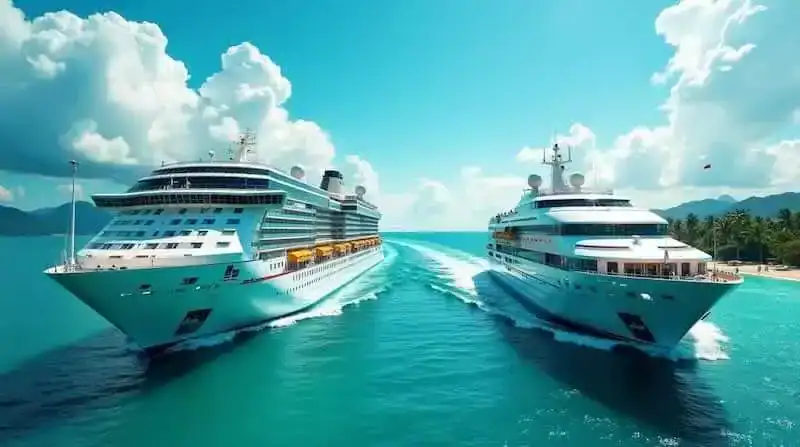
The real number is never the nightly rate — it’s the nightly rate plus everything that isn’t included. Mega ships often advertise low per-night rates ($50–$200) but add specialty dining, excursions, Wi-Fi, and gratuities on top. Small yachts and luxury lines start higher ($250–$1,000+/night) but tend to bundle more of those extras in from the start. Your true cost depends on how many add-ons you buy and how long you sail.
Cost Comparisons: What to Expect for Each Cruise Type
Budget mega-cruises keep upfront fares low and layer on pay-as-you-go extras. Mid-size ships mix inclusions with optional packages. Expedition and luxury yachts charge premium fares that often fold in guided shore excursions, higher staff ratios, and gear. Total per-person spend can swing by 2–5× between the economy and luxury ends of that spectrum — worth mapping out before you fall for a headline fare. The Cruise Lines International Association (CLIA) publishes annual industry data if you want to see how these categories are trending at scale.
Cost Snapshot
| Cruise Type | Typical Cost & Inclusions |
|---|---|
| Mega Ships | $50–$200/night base; most entertainment included, specialty dining ($20–$75/meal), shore excursions extra |
| Mid-Size | $100–$400/night; balanced inclusions, optional packages for drinks, Wi‑Fi, excursions |
| Small / Expedition / Luxury | $250–$1,000+/night; many excursions, gear, and gratuities often included; higher per-person service |
Hidden Fees: Navigating Potential Extra Costs
Line items add up quietly: automatic gratuities (roughly $14–$20/person/day), Wi-Fi ($10–$30/day, cheaper pre-purchased), shore excursions ($50–$400+), specialty dining, port taxes. A missed itinerary change or an onboard medical visit can push a final bill into the hundreds or thousands — read the fine print for auto-adds and exclusions before you sail, not after.
Scan a sample final invoice and the fare’s inclusions before booking, so nothing at disembarkation is a surprise. Pre-purchased drink and Wi-Fi packages often run 20–50% cheaper than buying onboard. Booking shore excursions through the line costs more than independent operators but protects you if the ship changes plans mid-itinerary. Factor in smaller line items too — laundry ($5–$30/item), fuel surcharges — and treat medical evacuation as the single biggest financial risk on the list. Travel insurance with medical and evacuation coverage is the cheapest peace of mind available.
Traveler Profiles: Finding the Ideal Fit
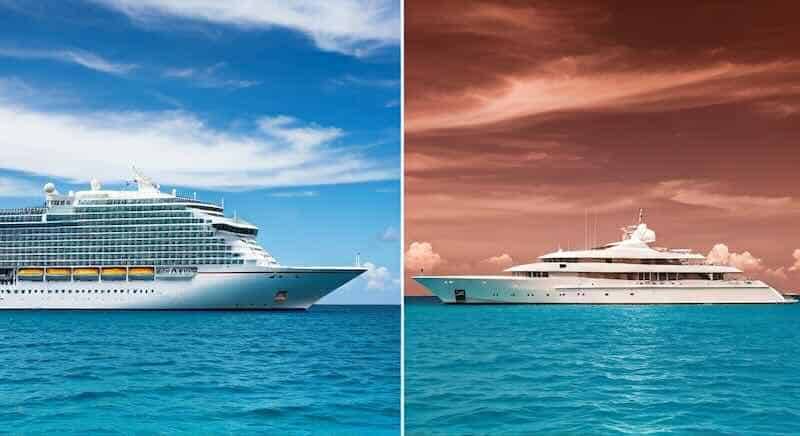
Match the ship to the appetite, not the other way around. Nonstop variety points to mega ships like Royal Caribbean’s Oasis-class (roughly 5,400 passengers). Remote vistas point to expedition lines carrying 100–200 guests. Intimate, unscripted service points to yacht charters under 36 guests.
Adventure Seekers vs. Relaxation Enthusiasts
Active shore excursions and onboard adrenaline belong to expedition-focused ships offering kayaking or Zodiac landings. Lounging belongs to small luxury ships with expansive sun decks and very little on the schedule. Expect polar conditions and rough seas on true expedition itineraries, and plan gear and fitness accordingly. National Geographic Expeditions specializes in exactly this end of the spectrum.
Family-Friendly vs. Adult-Only Sailings
Families do best with lines running multi-level kids’ clubs and suites that sleep 4–6. Adults-only lines such as Virgin Voyages enforce 18+ policies and lean into spa-focused calm — the choice shapes everything else about the trip. See Virgin Voyages for a closer look at the “no-kids” model in practice.
Environmental Considerations in Cruise Choices
The Impact of Mega Ships on Marine Ecosystems
Mega ships largely still burn heavy fuel oil, releasing significant NOx and SOx. A vessel carrying 5,000 passengers can generate thousands of gallons of waste daily, putting nearby coral reefs under real pressure. Ballast-water transfers have introduced invasive species in multiple regions, and stricter rules now apply in designated low-emission zones. The International Maritime Organization (IMO) maintains the current regulatory picture on marine emissions.
Eco-Friendly Yachting: Sustainable Alternatives
Smaller yachts are increasingly hybrid or fully electric. The Candela C-8 uses hydrofoils to cut energy use by up to 80% — a genuine shift, not a marketing figure. Choosing operators that meet Green Marine standards is one of the more concrete ways to minimize impact while cruising sensitive coastlines.
Conclusion
The choice between a floating city and a private sanctuary was never really about size. It’s about how you want to spend your attention — spread across a ship full of possibilities, or narrowed down to a handful of people and a coastline few others will see. Mega ships remain the champions of variety and scale, built for families and social travelers who want options at every hour. Yachts offer the opposite: quiet, tailored precision for those who’d rather have less to choose from and more to remember. Audit the hidden fees, be honest about your own traveler profile, and the right voyage tends to declare itself.
Frequently Asked Questions
Q: Is seasickness worse on a small yacht compared to a mega ship?
A: Generally, yes. Mega ships use massive stabilizers, and their sheer size makes them more resistant to the sway of the ocean. Small yachts are more susceptible to wave motion, though modern hydrofoil and stabilizer technology in 2026 has significantly improved ride quality on boutique vessels.
Q: Can mega ships visit the same remote islands as yachts?
A: No. Deep drafts and massive length restrict mega ships to deep-water ports and major docks. Yachts can anchor in shallow bays and navigate narrow channels, so you can wake up in spots that are simply inaccessible to the general public.
Q: Which option is better for solo travelers?
A: Mega ships often have more “solo cabins” and dedicated mixers, making it easier to meet people quickly. Small yachts offer a more intimate setting where deeper bonds tend to form with the small group of guests and crew over just a few days.
Q: Are all-inclusive rates actually cheaper on yachts?
A: The upfront cost is higher, but factor in high-speed Wi-Fi, premium drinks, specialty dining, and private excursions — often already included in luxury yacht rates — and the gap narrows considerably against a “budget” mega ship with multiple add-ons.
Q: How far in advance should a yacht charter be booked versus a mega-ship cabin?
A: Popular yacht charters, especially in the Mediterranean and Caribbean high seasons, are often booked 9–12 months out due to limited fleet size. Mega-ship cabins offer far more flexibility, with competitive fares still available 60–90 days before departure.