






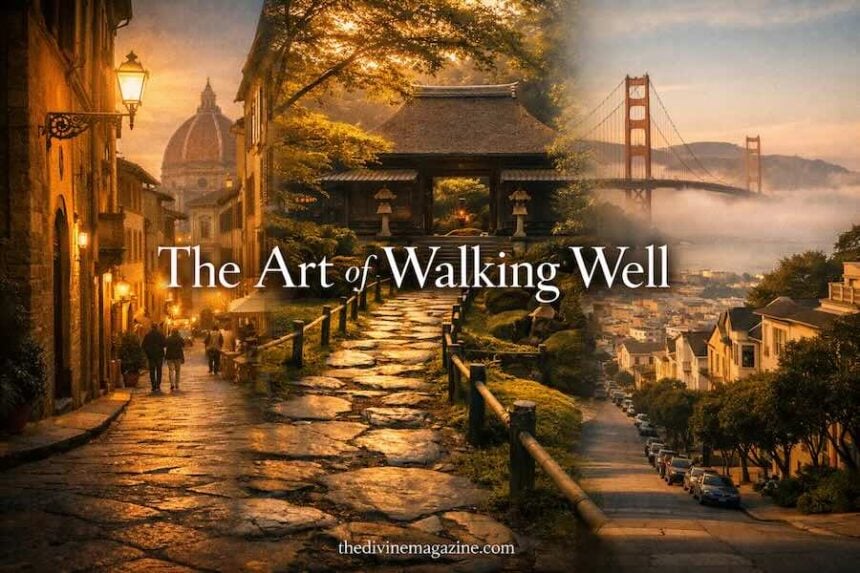
Spring turns cities into living galleries — streets lined with blossoms, cafés spilling onto cobblestones, and architecture glowing in soft morning light. Inspired by House Beautiful’s guide to the most walkable cities in spring, this Divine feature explores how urban design, mindful movement, and cinematic aesthetics merge into a slow, intentional way of traveling.
- 1. Copenhagen: Design Meets Motion
- 2. Paris: The Cinematic Stroll
- 3. Stockholm: Nordic Calm in Motion
- 4. Amsterdam: The Rhythm of Everyday Design
- 5. Lisbon: Hills, Tiles, and Golden Light
- 6. Vienna: Grand Boulevards, Quiet Courtyards
- 7. Barcelona: Mediterranean Energy on Foot
- 8. Edinburgh: Storybook Streets and Skyline Views
- 9. Florence: Renaissance Light and Narrow Lanes
- 10. Vancouver: Urban Nature in Motion
- 11. Kyoto: Tradition, Gardens, and Quiet Pathways
- 12. Buenos Aires: Rhythmic Streets and Cultural Pulse
- 13. Seoul: Neon, Nature, and Modern Flow
- 14. Cape Town: Ocean Light and Mountain Paths
- 15. San Francisco: Hills, Fog, and Iconic Frames
- Conclusion: Walking as a Cinematic Ritual
- FAQ
1. Copenhagen: Design Meets Motion
Copenhagen is a masterclass in Scandinavian balance — pastel façades in Nyhavn, minimalist cafés in Vesterbro, and waterfront promenades that feel curated for slow exploration. Walking here is like moving through a living design magazine, where every corner offers a new composition of color, light, and texture.
Explore more: Visit Copenhagen – Official Guide
2. Paris: The Cinematic Stroll
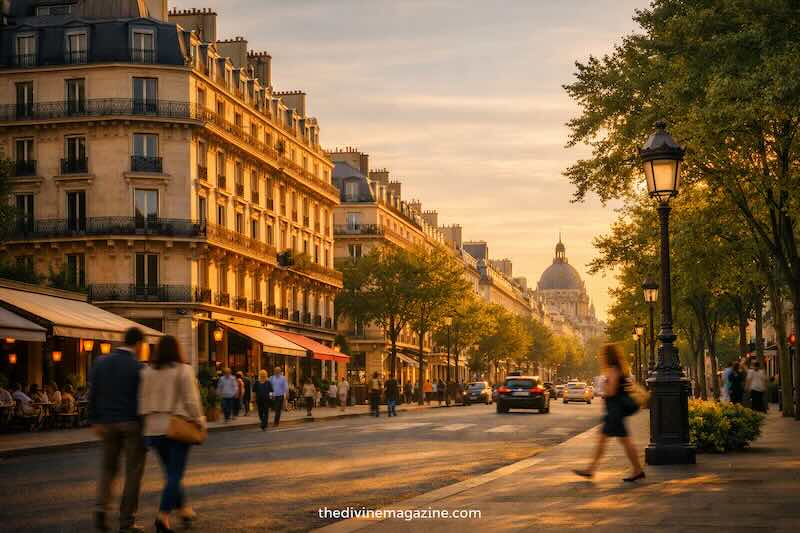
Paris invites you to wander. From the Left Bank to Le Marais, the city’s walkable arrondissements are built for sensory immersion — espresso aromas, limestone underfoot, and Haussmann balconies catching the afternoon sun. Every street feels like a film still waiting to be captured.
Explore more: Paris Walks – Themed City Tours
3. Stockholm: Nordic Calm in Motion
Stockholm’s island structure turns walking into a meditative ritual. Bridges link neighborhoods like chapters in a design novel — from Gamla Stan’s medieval streets to Södermalm’s modern minimalism. Water, light, and architecture work together to create a calm, cinematic rhythm.
Explore more: Visit Stockholm – Official City Guide
4. Amsterdam: The Rhythm of Everyday Design
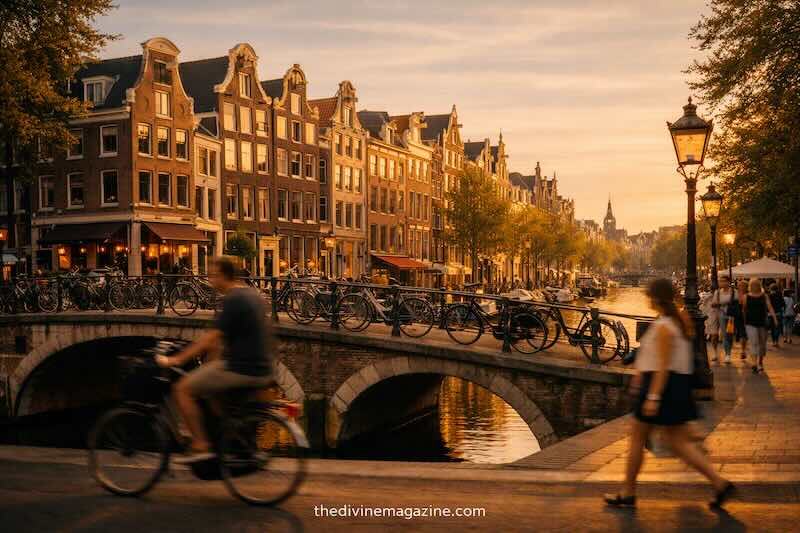
Amsterdam’s canals and narrow streets create a choreography of reflections and color. Walking here means gliding past tulip-filled doorways, design boutiques, and houseboats that feel like styled sets. The city’s human scale makes every route feel intimate and lived-in.
Explore more: Iamsterdam – City Maps & Routes
5. Lisbon: Hills, Tiles, and Golden Light
Lisbon is a city of gradients — hills, staircases, and viewpoints that reward every step. Azulejo tiles, pastel buildings, and Atlantic light create a warm, cinematic palette. Walking through Alfama or Bairro Alto feels like moving through a sun-drenched storyboard.
Explore more: Visit Lisboa – Official Tourism Site
6. Vienna: Grand Boulevards, Quiet Courtyards
Vienna balances imperial grandeur with intimate side streets. The Ringstrasse offers sweeping architectural vistas, while inner courtyards and coffeehouses invite slow pauses. It’s a city where walking becomes a dialogue between history, music, and refined urban design.
Explore more: Vienna – Official City Guide
7. Barcelona: Mediterranean Energy on Foot
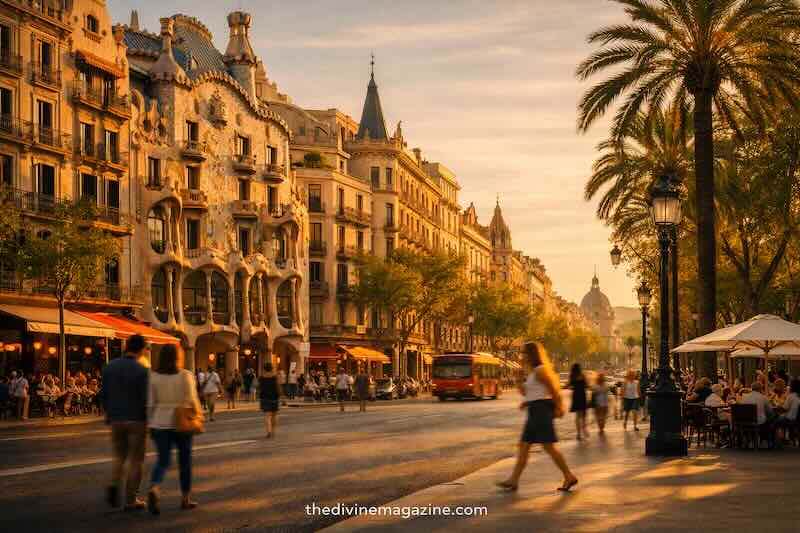
Barcelona’s walkability is a blend of Gaudí’s surreal architecture, beachside promenades, and tight Gothic alleys. From Passeig de Gràcia to El Born, the city invites you to move between bold design statements and everyday neighborhood life in a single stroll.
Explore more: Barcelona Turisme – Official Guide
8. Edinburgh: Storybook Streets and Skyline Views
Edinburgh’s layered topography makes walking feel cinematic: cobbled closes, dramatic vistas, and a skyline crowned by the castle. Routes from the Old Town to the New Town reveal shifts in architecture, mood, and history with every block.
Explore more: This is Edinburgh – Official City Site
9. Florence: Renaissance Light and Narrow Lanes
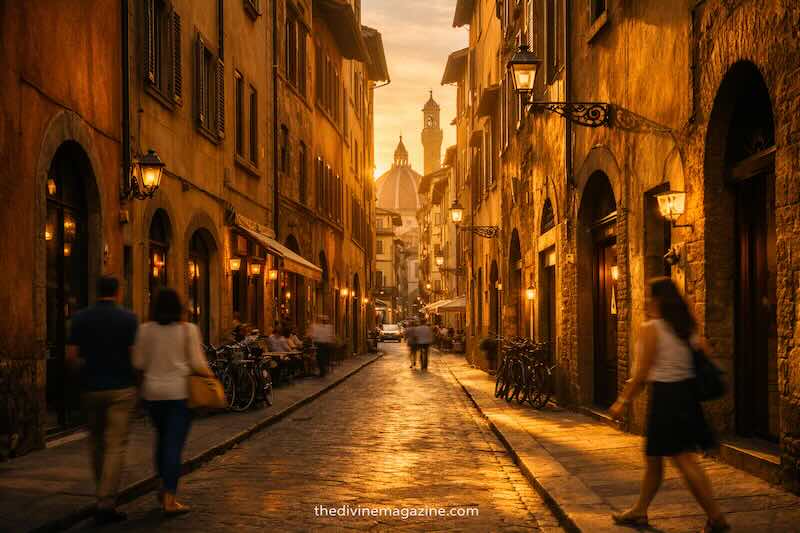
Florence is best experienced at walking pace. Narrow lanes open suddenly onto piazzas, domes, and river views. Stone, terracotta, and golden light create a timeless palette that feels tailor-made for slow, contemplative wandering.
Explore more: Visit Florence – Travel Guide
10. Vancouver: Urban Nature in Motion
Vancouver blends city grids with forests, seawalls, and mountain views. Walking from downtown to Stanley Park or along the waterfront turns a simple route into a sequence of cinematic frames — glass towers, evergreens, and ocean light.
Explore more: Tourism Vancouver – Official Site
11. Kyoto: Tradition, Gardens, and Quiet Pathways

Kyoto transforms walking into a meditative ritual. Wooden machiya houses, moss-lined temple paths, and lantern-lit alleys create a serene choreography of tradition and nature. Every step reveals a new layer of craftsmanship — from bamboo groves in Arashiyama to the vermillion gates of Fushimi Inari.
Explore more: Kyoto Travel – Official Guide
12. Buenos Aires: Rhythmic Streets and Cultural Pulse
Buenos Aires moves with a cinematic swagger — tango rhythms drifting from plazas, sun-washed façades in La Boca, and wide boulevards lined with jacaranda trees. Walking here feels like stepping through a living cultural collage where architecture, music, and color merge into one expressive frame.
Explore more: Travel Buenos Aires – Official Tourism
13. Seoul: Neon, Nature, and Modern Flow
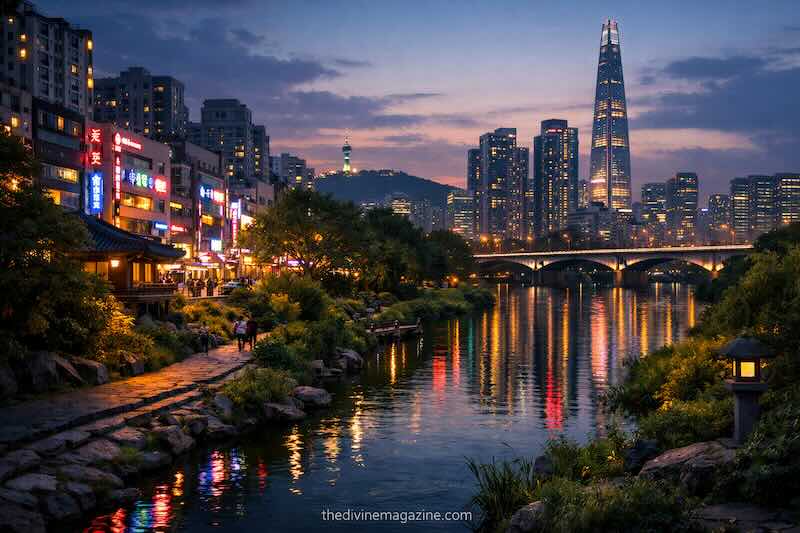
Seoul’s walkability blends futuristic energy with pockets of calm. Han River parks, traditional hanok villages, and neon-lit districts create a dynamic contrast. The city’s layered design makes walking feel like shifting between timelines — ancient, modern, and everything in between.
Explore more: Visit Seoul – Official Guide
14. Cape Town: Ocean Light and Mountain Paths
Cape Town offers a dramatic walking experience shaped by nature. Seaside promenades, colorful Bo-Kaap streets, and mountain trails create a cinematic interplay of ocean light and rugged terrain. Every route feels like a dialogue between landscape, culture, and movement.
Explore more: Cape Town Tourism – Official Site
15. San Francisco: Hills, Fog, and Iconic Frames

San Francisco’s walkability is defined by gradients, viewpoints, and architectural character. From the pastel houses of Alamo Square to the waterfront curves of the Embarcadero, the city’s fog, light, and steep streets create a moody, cinematic rhythm perfect for slow exploration.
Explore more: SF Travel – Official Visitor Guide
Conclusion: Walking as a Cinematic Ritual
In a culture obsessed with speed, walkable cities remind us that beauty unfolds at human pace. Each step becomes a frame — architecture, light, and texture composing a living editorial. Whether you’re crossing a Copenhagen bridge or drifting through Lisbon’s tiled streets, walking is the most elegant way to experience design, wellness, and place as one continuous story.
FAQ
Q: What makes a city truly “walkable”?
A: Walkability comes from safe sidewalks, human-scale streets, mixed-use neighborhoods, and visual interest. It’s not just about distance — it’s about how inviting each block feels to explore.
Q: How can I plan a mindful walking trip?
A: Choose districts with layered architecture, local cafés, and green spaces. Map shorter routes, allow time for detours, and use photography or journaling to capture textures, colors, and moods instead of just landmarks.
Q: Are walkable cities better for wellness?
A: Yes. Regular walking supports physical health, reduces stress, and encourages presence. When paired with beautiful surroundings, it becomes a daily ritual of visual and emotional reset.
Q: How does walkability connect to sustainability?
A: Walkable cities reduce car dependency, support local businesses, and encourage compact, efficient urban design. They align naturally with Divine’s focus on conscious, modern living.
Q: Can I bring this “walking mindset” home?
A: Absolutely. Curate your own local routes — parks, side streets, waterfronts — and treat them like your personal cinematic loop. The goal isn’t distance; it’s how deeply you experience your surroundings.