







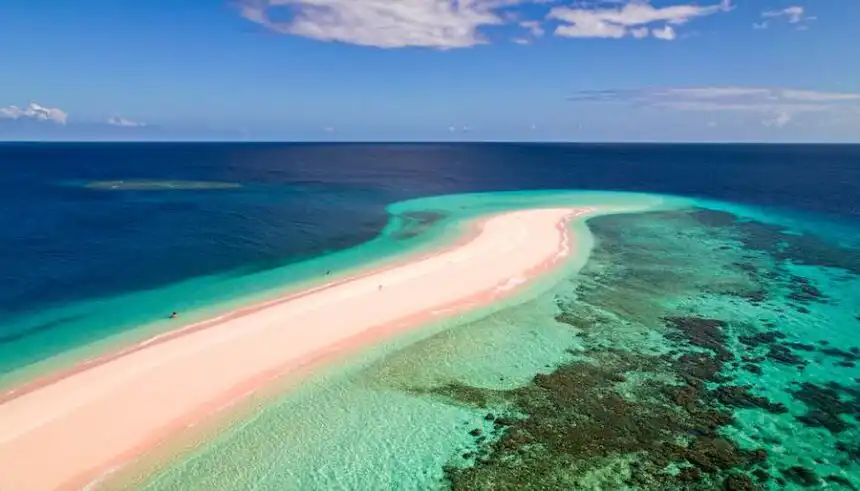
In 2026, the Caribbean has moved beyond simple tourism into what’s increasingly called “Blue Tourism” — a genuine commitment to preserving the waters that draw millions of visitors every year. From AI-monitored coral reefs to carbon-neutral beach clubs, these are the destinations actually worth building a 2026 tropical escape around.
1. Pink Sands Beach, Harbour Island (Bahamas)
Pink Sands Beach remains a crown jewel, but in 2026 the real story is its world-class coral nurseries.
- The Draw: Five miles of pale pink sand and turquoise water.
- 2026 Edge: Visitors can now take part in “Plant-a-Coral” programs alongside local conservationists.
- Authority Insight: Check current travel requirements at the official Bahamas Tourism site.
2. Grace Bay, Providenciales (Turks & Caicos)
Consistently voted among the world’s best, Grace Bay in 2026 is the leader in quiet luxury.
- The Draw: Exceptionally calm, clear water perfect for paddleboarding.
- Why it’s a 2026 Must: New strict “no-motor” zones near the shore keep the beach genuinely quiet — a meditative experience rather than a crowded one.
- Learn More: Visit Visit Turks & Caicos for guides to the lesser-known spots.
3. The Baths, Virgin Gorda (British Virgin Islands)
This geological wonder is more accessible yet more protected than ever in 2026.
- The Draw: Massive granite boulders forming secret grottos and pools.
- 2026 Edge: A new digital reservation system has eliminated the overcrowding that used to plague peak hours — the “hidden grotto” moment stays genuinely private now.
- Authority Insight: Explore the BVI’s conservation commitments at BVI Tourism.
4. Shoal Bay East (Anguilla)
Anguilla has become the 2026 capital of culinary beachfronts.
- The Draw: Blindingly white sand and high-end boutique experiences.
- What’s New: 2026 has brought a real surge in “zero-waste” beach bars serving world-class seafood with a net-zero footprint.
- Official Guide: See the latest at Visit Anguilla.
5. Sugar Beach (St. Lucia)
Nestled between the iconic Pitons, Sugar Beach is the ultimate wellness sanctuary for 2026.
- The Draw: Dramatic mountain views and deep-water snorkeling right off the sand.
- 2026 Edge: The surrounding rainforest now sits within an expanded UNESCO protection zone, with new eco-wellness trails running directly down to the sea.
- Authority Insight: Plan a wellness retreat via St. Lucia Tourism.
2026 Caribbean Travel Trends
| Trend | 2024 Context | 2026 Reality |
| Connectivity | Standard Hotel Wi-Fi | Low-Orbit Satellite (Starlink) available on remote cays. |
| Sustainability | Plastic Straw Bans | Fully Circular Beach Economies (Zero Waste). |
| Snorkeling | Look, Don’t Touch | Bio-Luminescent Tours and interactive AI reef-guides. |
Conclusion
The common thread across all five destinations is that “Blue Tourism” isn’t a marketing label bolted onto the same old beach trip — it’s genuinely changing what these islands protect, restrict, and prioritize for visitors. Whichever beach makes the shortlist, the Caribbean in 2026 rewards travelers willing to trade a bit of unrestricted access for water, reefs, and quiet that are actually being cared for.
FAQ: Caribbean Beaches in 2026
Q: What is “Blue Tourism,” exactly? A: It’s the shift toward travel that actively protects marine ecosystems — coral restoration programs, no-motor zones, zero-waste beach economies — rather than simply minimizing damage. The islands on this list have all built it into the actual visitor experience, not just their marketing copy.
Q: Do I need to book coral or grotto experiences in advance? A: Increasingly, yes. Both the Plant-a-Coral programs at Pink Sands Beach and The Baths’ new digital reservation system are designed to cap daily visitor numbers, so same-day walk-ups are far less reliable than they used to be.
Q: Which of these islands is best for a quieter, less crowded trip? A: Grace Bay’s no-motor zones and The Baths’ new reservation cap both specifically target overcrowding, making them the strongest picks for travelers prioritizing quiet over nightlife or high-energy activity.
Q: Is connectivity reliable on the more remote cays now? A: Largely yes — low-orbit satellite internet has reached most of the remote cays covered here, a real shift from the patchy hotel Wi-Fi that used to be the norm even a couple of years ago.