







Key Takeaways:
- Modern extermination prioritizes prevention, precision, and long-term pest control solutions.
- Integrated Pest Management (IPM) reduces infestations through monitoring, sanitation, and targeted treatments.
- Professional inspections help identify entry points and causes of recurring pest problems.
- New technologies and eco-friendly methods improve safety and treatment effectiveness.
- Year-round pest control is essential because seasonal pest activity varies.
- Effective extermination helps protect household health and reduce disease risks.
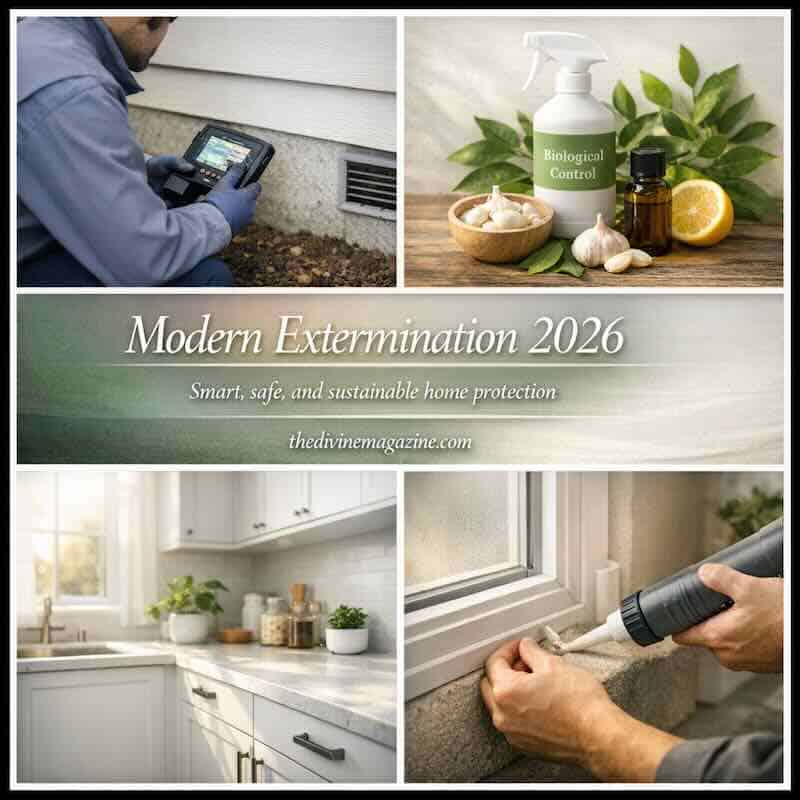
The role of modern extermination in keeping homes pest-free has evolved significantly with advances in technology, safety standards, and integrated pest management practices. Today’s approaches go beyond simple chemical treatments, focusing instead on long-term prevention, targeted solutions, and environmentally conscious methods. By identifying the root causes of infestations and addressing entry points, modern extermination helps reduce recurring pest problems while minimizing risks to people, pets, and surrounding ecosystems. These methods emphasize efficiency, precision, and sustainability in everyday household protection.
Alongside these developments, professional services continue to adapt by combining inspection, monitoring, and tailored treatment plans to address a wide range of pest challenges in residential settings. Homeowners rely on expert support, including a trusted pest control company in Lexington for complete extermination to ensure infestations are managed thoroughly and future outbreaks are prevented. This integrated approach highlights the importance of consistency, expertise, and early intervention in maintaining safe living environments.
Understanding the Need for Professional Pest Control
Some pests can adapt to do-it-yourself deterrents, quickly returning even after household treatments. The repercussions of an unmanaged infestation reach beyond mere inconvenience. According to the Centers for Disease Control and Prevention (CDC), rodents and insects can transmit numerous pathogens, heightening concerns in households with children, seniors, or pets. These health hazards underscore the importance of prompt, professional intervention, rather than temporary fixes.
Comprehensive Inspection and Assessment
A critical feature of modern pest control is the detailed inspection process. Professional exterminators meticulously examine properties to identify pest entry points, high-risk zones, and contributing factors such as excess moisture or structural vulnerabilities. This initial inspection enables the creation of a treatment strategy tailored to the specific pest threats facing the home, increasing the likelihood of successful extermination and preventing reinfestations.
Integrated Pest Management (IPM) Strategies
Integrated Pest Management has redefined how exterminators approach pest issues. By combining a variety of proven measures, IPM minimizes chemical use and emphasizes prevention, monitoring, and control. Common tactics include:
- Sealing cracks, crevices, and potential entry zones
- Improving household sanitation and food storage routines
- Applying targeted, low-impact treatments as needed
- Monitoring activity with baits, traps, and other devices
- Establishing regular preventative maintenance schedules
This approach delivers lasting results by addressing both immediate threats and underlying causes. IPM not only curbs active infestations but also lays the groundwork for long-term resilience against future intrusions.
Advancements in Pest Control Technology
The evolution of pest control technology has transformed the industry. Leading companies now utilize digital monitoring, smart detection systems, and environmentally friendly formulations. For example, wireless sensors can detect rodent or insect activity in hard-to-reach areas and alert technicians instantly. These advancements enable safer, more precise applications and significantly reduce unnecessary pesticide use, benefiting families and the ecosystem alike.
Year-Round Pest Control Measures
Seasonal changes greatly influence pest behavior. While summer increases the risk of ants, wasps, and mosquitoes, colder months drive rodents and spiders indoors. Year-round professional pest management ensures all possible seasonal threats are accounted for. Scheduled inspections and ongoing prevention measures keep infestations from taking hold, regardless of the time of year.
Health and Safety Considerations
Beyond discomfort, certain pests carry significant disease risks. Rodents frequently transmit dangerous pathogens such as hantavirus and salmonella, while insects like cockroaches can worsen asthma and allergic reactions. Comprehensive extermination services help mitigate these threats and provide families with peace of mind that their homes are safe from invisible dangers.
Environmental Responsibility in Pest Control
Today’s pest management professionals are increasingly conscious of their environmental impact. Eco-friendly options, such as targeted bait systems and biological controls, provide highly effective results with minimal ecological disruption. By prioritizing sustainable products and application methods, professionals help protect native wildlife and pollinators, fostering a balanced ecosystem around the home.
Conclusion
Modern extermination is essential for maintaining a safe, comfortable, and healthy home. Through personalized inspections, integrated management strategies, and the latest technology, professional pest control services offer solutions that are both effective and environmentally responsible. For homeowners concerned about pest problems, seeking assistance from specialized providers remains the most reliable path to long-term protection and peace of mind.