





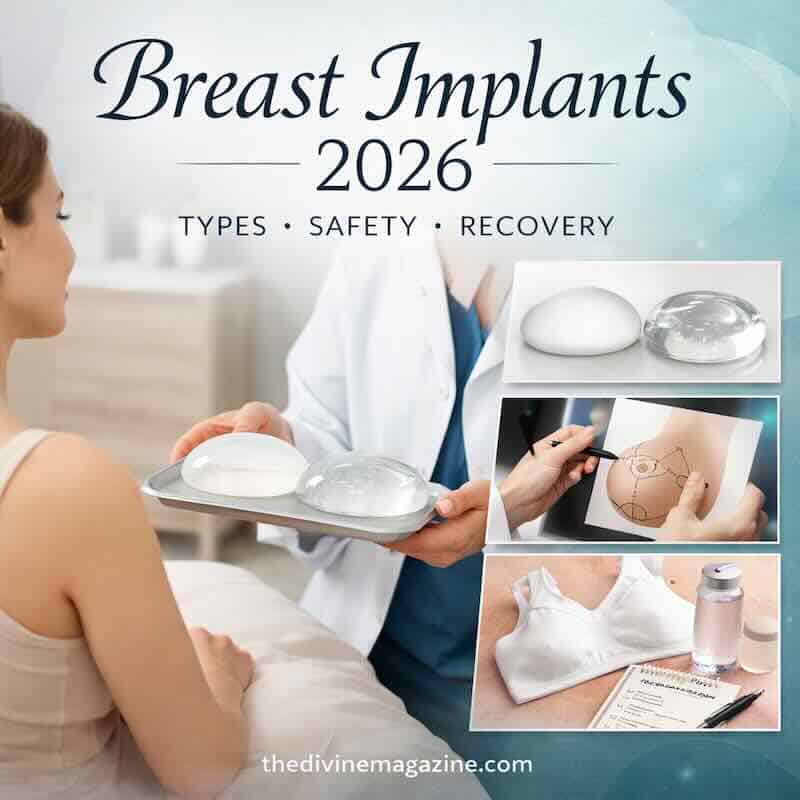
In 2026, breast augmentation continues to be one of the most sought‑after cosmetic procedures worldwide. Whether performed to restore volume after pregnancy, correct asymmetry, or enhance confidence, modern techniques have made breast implants safer and more customizable than ever before. This article explores the latest insights, innovations, and considerations for anyone thinking about getting a boob job in 2026.
- What is a Boob Job in 2026?
- Who is a Good Candidate for Breast Implants?
- Types of Breast Implants in 2026
- Recovery After Breast Implant Surgery
- Factors to Consider Before Getting Breast Implants
- Conclusion
- FAQ: Breast Implants 2026
- 1. How long do breast implants last?
- 2. Are breast implants safe in 2026?
- 3. Can breast implants affect breastfeeding?
- 4. What is the difference between saline and silicone implants?
- 5. How painful is breast implant recovery?
- 6. Can implants be removed or replaced?
- 7. Do breast implants require maintenance?
- 8. What are the risks of breast implant surgery?
- 9. Will implants affect mammograms or breast cancer screening?
- 10. How much does breast augmentation cost in 2026?
What is a Boob Job in 2026?
A boob job, or breast augmentation, involves surgically increasing or reshaping the breasts using implants. The procedure is performed under general anesthesia, with incisions typically made around the areola, under the breast, or in the armpit. The surgeon creates a pocket behind the breast tissue or beneath the chest muscle and inserts either a silicone or saline implant. The incision is closed with sutures or surgical tape, and a supportive dressing is applied. Most procedures take one to two hours, and patients can usually return home the same day.
For a detailed overview of modern surgical techniques, visit American Society of Plastic Surgeons – Breast Augmentation 2026.
Who is a Good Candidate for Breast Implants?
Ideal candidates are individuals in good health with realistic expectations. Breast augmentation is not recommended for those with medical conditions that may impair healing, such as uncontrolled hypertension or autoimmune disorders. It’s also important to understand that surgery cannot resolve self‑esteem or body dysmorphia issues — emotional readiness is key.
For pre‑surgery mental health guidance, explore Psychology Today – Preparing Emotionally for Cosmetic Surgery 2026.
Types of Breast Implants in 2026
- Silicone Implants: Filled with cohesive silicone gel, these implants offer a natural feel and are less prone to rippling. New generation silicone implants are engineered for durability and shape retention. See FDA Breast Implant Safety 2026.
- Saline Implants: Filled with sterile saltwater, saline implants can be adjusted for size and are often chosen for their flexibility and affordability.
- Round Implants: Provide a fuller, symmetrical look and are ideal for volume enhancement.
- Teardrop Implants: Shaped to mimic natural breast contours, these are preferred for subtle, anatomical results.
Recovery After Breast Implant Surgery
Recovery typically involves mild swelling and bruising. Patients should wear a supportive bra and avoid strenuous activity for several weeks. Pain is usually minimal and manageable with over‑the‑counter medication. Following post‑operative instructions — such as sleeping with the head elevated and avoiding underwire bras — ensures optimal healing and results.
For recovery tips and aftercare, visit RealSelf Breast Augmentation Recovery Guide 2026.
Factors to Consider Before Getting Breast Implants
Motivations for Getting Breast Implants
- Ensure your decision is personal and not influenced by external pressure.
- Have realistic expectations — surgery enhances appearance but doesn’t define self‑worth.
- Consult with a licensed professional to discuss emotional readiness.
Your Overall Health
- Disclose any medical conditions or medications that may affect healing.
- Discuss your medical history thoroughly with your surgeon.
- Review pre‑surgery guidelines at Mayo Clinic Breast Augmentation 2026.
Type and Size of Implants
- Choose a size and shape that complements your body proportions.
- Discuss options with your surgeon to achieve balanced results.
- Explore visual simulations at Mentor Breast Implant Visualizer 2026.
Surgeon’s Experience
- Choose a board‑certified plastic surgeon with a strong track record.
- Review before‑and‑after photos and patient testimonials.
- Verify credentials at International Society of Aesthetic Plastic Surgery (ISAPS) 2026.
Recovery Process
- Plan for downtime and follow your surgeon’s instructions closely.
- Arrange support for daily tasks during the first week of recovery.
- Monitor healing progress and attend follow‑up appointments.
Conclusion
In 2026, breast augmentation offers advanced materials, safer techniques, and more natural results than ever before. With proper planning, emotional readiness, and a qualified surgeon, breast implants can be a transformative and confidence‑boosting experience. Always prioritize safety, research, and self‑care throughout your journey. For global trends and innovations, visit Aesthetics Journal 2026.
FAQ: Breast Implants 2026
1. How long do breast implants last?
Modern implants typically last 10–20 years, depending on type and care.
Regular check‑ups and MRI scans are recommended every few years to monitor integrity. Learn more at FDA Implant Longevity 2026.
2. Are breast implants safe in 2026?
Yes—advancements in materials and techniques have improved safety significantly. Modern implants undergo rigorous testing and are approved by regulatory bodies like the FDA and MHRA.
For current safety updates, visit ASPS Breast Implant Safety 2026.
3. Can breast implants affect breastfeeding?
Most women can breastfeed after augmentation, especially if implants are placed beneath the muscle. However, some incision types may impact milk ducts. Discuss placement options with your surgeon. See Healthline Breastfeeding After Implants 2026.
4. What is the difference between saline and silicone implants?
Silicone implants offer a more natural feel and are less likely to ripple, while saline implants allow size adjustments and require smaller incisions. Your surgeon can help you choose based on body type and desired results. Explore comparisons at RealSelf Saline vs Silicone 2026.
5. How painful is breast implant recovery?
Discomfort is usually mild and manageable with pain medication. Most patients return to normal activities within a week, though strenuous exercise should be avoided for 4–6 weeks. For recovery guidelines, visit RealSelf Recovery Guide 2026.
6. Can implants be removed or replaced?
Yes. Implants can be removed or replaced if desired or if complications arise. Replacement procedures are common after 10–15 years or for cosmetic updates. Learn more at ASPS Implant Removal 2026.
7. Do breast implants require maintenance?
Regular monitoring is recommended. MRI or ultrasound scans every few years help detect ruptures or capsular contracture. Follow your surgeon’s schedule for check‑ups.
See FDA Maintenance Recommendations 2026.
8. What are the risks of breast implant surgery?
Potential risks include infection, scarring, capsular contracture, and implant rupture. Choosing a qualified surgeon and following post‑operative care minimizes these risks.
For a comprehensive overview, visit Mayo Clinic Breast Augmentation Risks 2026.
9. Will implants affect mammograms or breast cancer screening?
Implants can slightly obscure mammogram images, but radiologists use special techniques to ensure accurate screening. Always inform your technician about your implants.
For guidelines, see American Cancer Society Mammogram Guide 2026.
10. How much does breast augmentation cost in 2026?
Costs vary by location, surgeon experience, and implant type. In 2026, average prices range from $4,500 to $8,000 in the US. Always request a detailed quote including anesthesia and facility fees.
Compare pricing at RealSelf Cost Estimator 2026.