







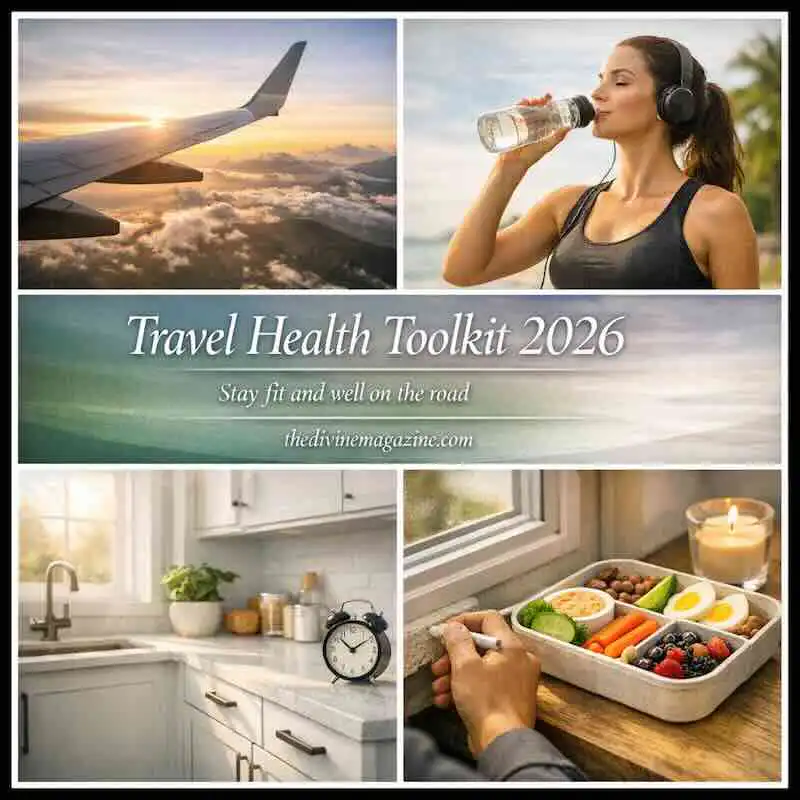
Are you an avid traveler who finds it difficult to maintain your health while on the road? In 2026, with the rise of nomadic work and hyper-mobility, staying fit isn’t just a luxury—it’s a survival skill. Rest assured—we have you covered!
Sickness, whether it’s an ordinary cold or something more serious, can rapidly transform an idyllic vacation into a nightmare. With the travel landscape evolving, the “wellness-first” approach is the only way to ensure your itinerary stays on track.
We’ll look at some of the best travel health advice in this blog post so you can continue to see the world without compromising your health. From bio-hacking your jet lag to smart snacking, here is your 2026 toolkit for vitality.
Stay Hydrated
Proper hydration is crucial for maintaining good health, especially while traveling. Dry cabin air and changing climates can deplete your reserves faster than you realize. Here are some tips to ensure you stay hydrated:
- Carry a reusable, BPA-free water bottle and fill it up regularly. Many modern airports now offer filtered “hydration stations.”
- Drink water before, during, and after your flights to prevent dehydration. Aim for at least 8 ounces for every hour in the air.
- Avoid excessive consumption of alcohol and caffeine, as they can contribute to dehydration and disrupt your circadian rhythm.
- If you are traveling to a destination with unsafe tap water, opt for bottled water or use a high-tech purifier like those certified by the NSF International.
Pack Healthy Snacks
It’s easy to reach for ultra-processed airport food, but packing your own options can make a big difference. Focus on protein and fiber to keep your energy stable. Pack nuts, seeds, or low-sugar granola bars to keep you fueled on the go. For a deeper look at nutrition standards, check out the WHO guide on healthy eating.
Get Adequate Sleep
Sleep is essential for maintaining a strong immune system. In 2026, we understand that sleep quality is as important as quantity. Here are some tips to ensure you get enough rest:
- Stick to a regular sleep schedule as much as possible. Apps like Timeshifter can help you adjust to new time zones before you even leave.
- Bring earplugs, a contoured eye mask, or noise-canceling headphones to help you sleep in unfamiliar environments.
- Avoid excessive screen time before bed, as blue light can interfere with melatonin production.
Practice Good Hygiene
When it comes to staying healthy while traveling, hygiene is your first line of defense. The CDC Travelers’ Health portal remains the gold standard for staying updated on regional health notices.
- Wash your hands frequently with soap and water for at least 20 seconds.
- Carry hand sanitizer with at least 60% alcohol for times when soap is unavailable.
- Use disinfectant wipes to clean high-touch surfaces like tray tables and rental car steering wheels.
Eat Nutritious Meals
Proper nutrition supports your immune system. Here are some tips for eating well:
- Research local cuisine and prioritize farm-to-table options that incorporate fresh, local vegetables.
- Choose grilled or steamed dishes over fried options to avoid sluggishness.
- Be cautious with street food; look for vendors with high turnover and visible cooking areas.
Stay Active
Regular physical activity reduces stress and boosts your mood. You don’t need a full gym to stay fit:
- Explore your destination on foot or by bike to truly soak in the atmosphere.
- Look for local yoga studios or outdoor hiking trails to connect with the local environment.
- Use fitness apps to guide you through a 15-minute bodyweight workout in your room.
Conclusion
While being sick while traveling is a major setback, heeding these tips can significantly lower your risk. In 2026, the best traveler isn’t just the one who sees the most but the one who feels the best while doing it. Maintaining good hygiene, drinking plenty of water, eating well, and prioritizing rest are the pillars of a successful journey. Always remember that prevention is better than treatment—take care of your body, and it will take you to the ends of the earth!
Frequently Asked Questions
Q: How can I avoid jet lag in 2026?
A: Use “light therapy” by getting sunlight early in the morning at your destination. You can also use circadian-syncing apps that suggest specific times for caffeine and sleep based on your flight path.
Q: Is it safe to eat raw vegetables in developing regions?
A: If the water is unsafe to drink, avoid raw vegetables and fruits unless they can be peeled (like bananas). They may have been washed in local tap water.
Q: What should I include in a basic travel health kit?
A: Include pain relievers, digestive aids (antacids/anti-diarrheals), adhesive bandages, electrolyte packets, and any personal prescription medications with a copy of the script.
Q: Does wearing a mask on planes actually help?
A: Yes, high-quality masks (like N95 or FFP2) are effective at filtering out airborne pathogens in crowded, low-ventilation spaces during boarding and deplaning.