







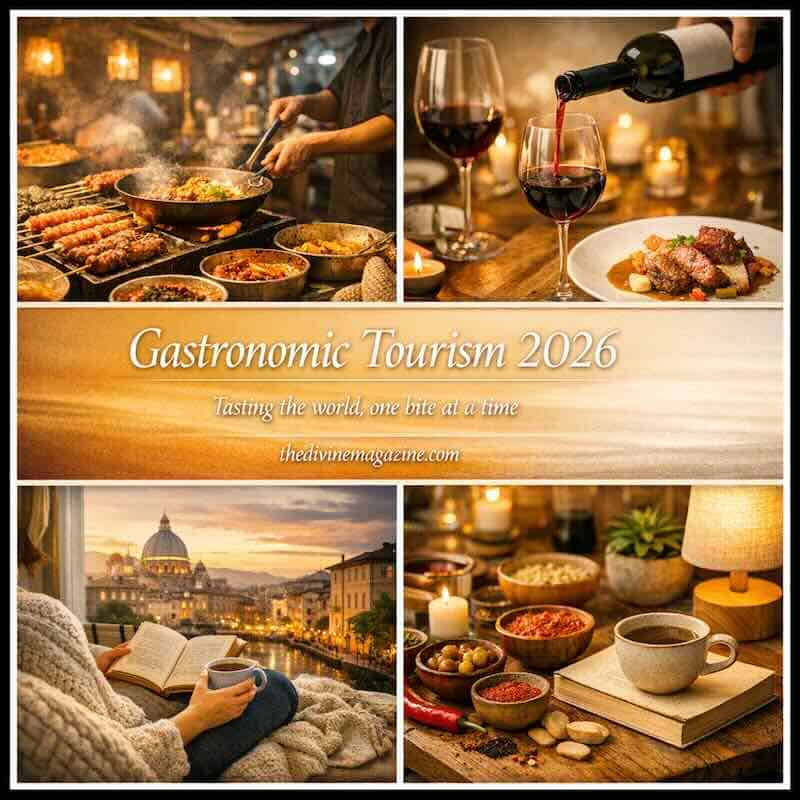
When it comes to exploring a new city, one of the highlights for many travelers is diving into the local food scene. In 2026, “gastronomic tourism” has evolved into a search for authenticity and sustainability, where travelers seek a deeper connection to the culture through its flavors.
Whether it’s savoring authentic street food, experiencing innovative culinary experimentation, indulging in Michelin-starred restaurants, enjoying classic cookery, or discovering regional specialties, there are certain cities that are renowned worldwide for their culinary prowess. If you’re a food tourist looking for your next gastronomic adventure, here are the top locations you should consider exploring:
Tokyo, Japan
For a truly unique culinary experience, head to Tokyo. As of 2026, this city remains the global leader in culinary excellence, holding more Michelin stars than any other city. It offers a seamless blend of ancient tradition and futuristic innovation.
Tokyo is a paradise for food lovers. From world-class sushi and sashimi to delicious ramen, yakitori, and tempura, Tokyo has it all. While the inner wholesale market has moved to Toyosu, the outer Tsukiji Market remains a vibrant hub where you can taste the freshest seafood in the city. For planning your reservations, the Michelin Guide Tokyo is an essential resource.
Bangkok, Thailand
Known for its vibrant street food scene, Bangkok is a must-visit. In 2026, the city has successfully integrated high-end dining with its legendary curbside stalls, creating a “fine-street” hybrid that is unique to Thailand.
From the spicy kick of tom yum soup to the savory goodness of pad Thai, Bangkok offers a culinary experience like no other. The city is filled with food stalls and markets offering a variety of mouthwatering dishes. Don’t miss out on trying the famous green curry or indulging in some mango sticky rice for a sweet treat.
One of the best places to experience Bangkok’s street food culture is Yaowarat (Chinatown). Here, you can immerse yourself in a sensory overload of sights, sounds, and smells. For those looking for curated experiences, Tasting Table often features deep dives into Bangkok’s evolving food stalls.
Seoul, South Korea
From spicy kimchi to savory bibimbap, Seoul is a food lover’s paradise. In 2026, the global “K-Food” explosion has made Seoul a top-tier destination for those seeking the source of fermented health trends. Explore the city’s bustling food markets like Gwangjang and vibrant neighborhoods like Itaewon for a true taste of Korean cuisine.
Barcelona, Spain
Barcelona is a culinary hotspot in Europe, known for its tapas culture and vibrant food scene. Indulge in traditional Spanish dishes like paella, patatas bravas, and jamón ibérico. Don’t forget to explore the famous Boqueria Market, a temple of fresh produce and local delicacies.
If you’re a fan of tapas and wine, Barcelona is the place for you. This city is a melting pot of flavors, with influences from Catalonia, Basque Country, and beyond. Indulge in fresh seafood, charcuterie, and of course, the famous patatas bravas, washed down with a glass of crisp cava.
New York City, USA
No list of foodie destinations would be complete without New York City. With its diverse population, NYC offers a melting pot of flavors from around the world. In 2026, the city’s “Food Hall” revolution has made it easier than ever to sample global cuisines in a single location.
Start with the iconic New York-style pizza, whether it’s a 99-cent slice or a gourmet coal-fired pie. If food trucks are more your style, NYC has you covered with everything from Halal platters to authentic tacos. For those seeking luxury, the city boasts world-renowned establishments often reviewed by the New York Times Food section.
Mumbai, India
Mumbai is a city that never sleeps, and its food scene reflects its vibrant energy. From street food like vada pav and pav bhaji to regional specialties like butter chicken and biryani, Mumbai’s culinary offerings are diverse. Make sure to visit the famous street food hub, Chowpatty Beach, at sunset for an iconic experience.
Singapore
One of the best ways to experience Singaporean cuisine is by visiting the famous hawker centers, which were awarded UNESCO Intangible Cultural Heritage status. Whether you’re craving a bowl of laksa or a plate of Hainanese chicken rice, you’ll find it here.
Don’t miss out on iconic dishes like chili crab and char kway teow. These mouthwatering dishes are must-tries for any food lover visiting Singapore. Save room for dessert items like kaya toast and ice kacang.
Rome, Italy
From creamy carbonara to hearty amatriciana, Rome offers a variety of pasta options that will satisfy any carb lover. Head to a local trattoria in Trastevere and savor the flavors of traditional Roman dishes made with simple, high-quality ingredients.
And of course, no trip to Rome is complete without indulging in artisanal gelato. With flavors ranging from classic pistachio to unique seasonal combinations, there’s a gelato for every palate. To find the most authentic spots, check out Eater’s Guide to Rome.
Lima, Peru
Lima is the undisputed culinary capital of South America. The must-try dish is ceviche—fresh raw fish marinated in citrus juices and chilies. The city is also famous for its Nikkei cuisine, a fusion of Japanese and Peruvian flavors.
For a truly authentic experience, visit the local markets to see exotic fruits and Andean ingredients. Don’t forget to try anticuchos (grilled skewers) and end your evening with a refreshing Pisco Sour.
Istanbul, Turkey
Istanbul’s cuisine is a bridge between Europe and Asia. Visit the famous Spice Bazaar for a sensory overload of aromatic spices and Turkish delight. Head to a kebab joint for juicy meat cooked over charcoal, and don’t skip the “Meze” culture—a variety of small cold and hot appetizers designed for sharing.
Melbourne, Australia
Melbourne is celebrated for having the best coffee culture in the world and a thriving brunch scene. From the Queen Victoria Market to the hidden laneway cafes, the city offers a diverse range of global cuisines, with a particular emphasis on Greek, Italian, and Vietnamese influences.
Mexico City, Mexico
Mexico City is a high-altitude culinary powerhouse. From the street-side al pastor tacos to the world-class tasting menus in Polanco, the city offers incredible depth. Neighborhoods like Roma and Condesa are the epicenters of the modern Mexican food movement.
Cape Town, South Africa
Cape Town offers a unique fusion of flavors, blending African, European, and Asian influences. Known for its incredible seafood and “Braai” (barbecue) culture, it’s a destination that pairs world-class food with stunning vineyard views.
Paris, France
Finally, Paris remains the ultimate gastronomic dream. Beyond the Michelin stars, 2026 has seen a surge in the “bistronomie” movement—small, casual bistros serving high-end food at accessible prices. Indulge in flaky croissants, artisanal cheeses, and exquisite pastries that make every street corner a temptation.
Visit the Marché des Enfants Rouges for a sample of the city’s diverse food offerings, and always remember to pick up a fresh baguette from a local boulangerie. For more inspiration, see our visit to Paris guide.
Conclusion
The global food scene in 2026 is more accessible and exciting than ever before. Whether you are chasing the precision of Tokyo’s sushi masters or the smoky heat of a Mexico City taco stand, these cities offer experiences that stay with you long after the meal is over. Traveling for food isn’t just about the calories—it’s about understanding the history, heart, and soul of a destination. Pack your appetite and start exploring!
Frequently Asked Questions (FAQ)
Q: Which city is best for budget-friendly foodies?
A: Bangkok and Singapore are the champions of affordable dining. In Bangkok, world-class street food costs only a few dollars, while Singapore’s hawker centers offer Michelin-recognized meals at food court prices.
Q: Is it safe to eat street food in these cities?
A: Generally, yes! A good rule of thumb is to look for stalls with high turnover and a line of local customers. In cities like Seoul and Singapore, street food hygiene is strictly regulated.
Q: Which city is best for vegetarians?
A: Mumbai and New York City offer incredible vegetarian diversity. India has the world’s largest vegetarian population, ensuring that plant-based meals are never an afterthought.
Q: How far in advance should I book Michelin-starred restaurants?
A: For top-tier restaurants in Tokyo or Paris, it is recommended to book at least 2–3 months in advance. Use apps like Tableall or Resy to secure your spots.