







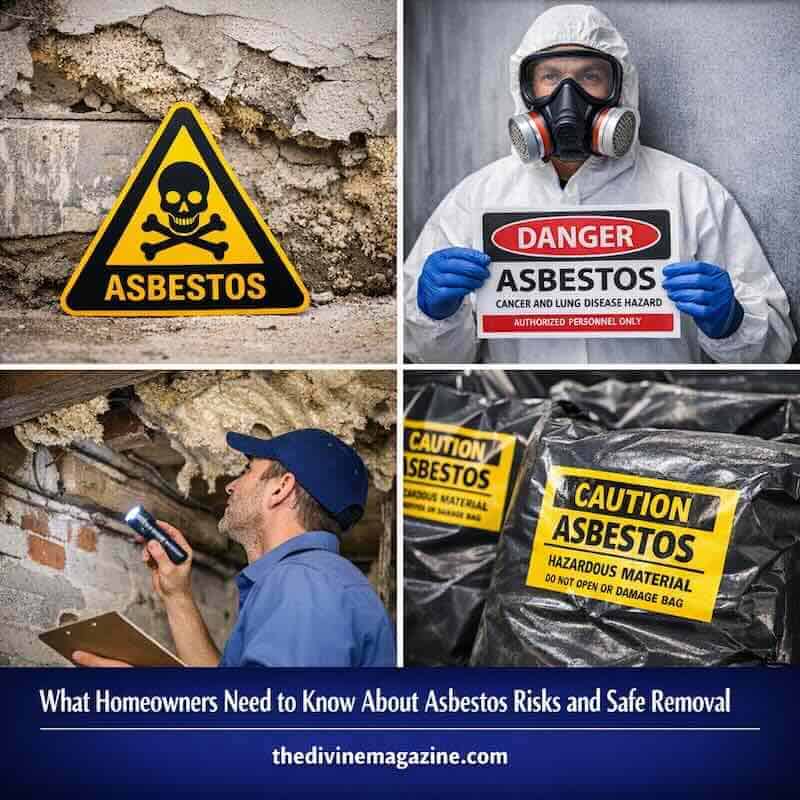
Older homes often come with hidden health risks—lead paint, mold, pests, and water damage are common concerns. But one of the most serious and often overlooked dangers is asbestos. If your home was built before the 1980s, asbestos may be lurking in insulation, flooring, or ceilings. This guide explains why asbestos is dangerous and why only certified professionals should handle its removal.
What Is Asbestos?
Asbestos is a naturally occurring mineral made of thin, heat-resistant fibers. It was widely used in construction for its durability and insulation properties. You’ll find it in cement, floor tiles, roof shingles, and pipe insulation. Unfortunately, its microscopic fibers can cause serious health problems when disturbed and inhaled.
For more background, check out EPA’s asbestos overview.
Health Risks of Asbestos Exposure
Long-term exposure to asbestos can lead to two major health conditions:
- Asbestosis: A chronic lung disease caused by scarring from asbestos fibers. Symptoms include shortness of breath, chest tightness, dry cough, and fatigue. It may take decades for symptoms to appear.
- Mesothelioma: A rare but aggressive cancer that affects the lining of the lungs, abdomen, or heart. Most patients are diagnosed decades after exposure, and prognosis is often poor.
For detailed medical information, visit American Cancer Society’s mesothelioma page.
Where Asbestos Is Commonly Found
Asbestos may be present in many parts of older homes, including:
- Attics and crawl spaces
- Popcorn ceilings and drywall
- Vinyl flooring and adhesives
- Roof shingles and siding
- Steam pipes and pipe insulation
- Textured paints and spray-on insulation
DIY renovations often disturb these materials, releasing asbestos fibers into the air. Learn more from Air Safe Inc.’s guide.
Safe Removal Practices
Never attempt to remove asbestos yourself. Without proper protective gear and containment procedures, you risk serious exposure. Certified asbestos abatement professionals use specialized equipment and follow strict safety protocols to remove and dispose of asbestos safely.
To find licensed removal experts, check your local government’s environmental health department or visit InterNACHI’s asbestos resource page.
Conclusion
Asbestos is a silent threat in many older homes. Understanding where it hides, how it affects your health, and why professional removal is essential can protect you and your family. If you suspect asbestos in your home, don’t wait—consult a certified removal company and ensure your living space is safe.
Frequently Asked Questions
Can I remove asbestos myself?
No. DIY removal is dangerous and often illegal. Always hire certified professionals.
How do I know if my home has asbestos?
If your home was built before 1980, it may contain asbestos. A licensed inspector can confirm.
Is asbestos still used today?
In most countries, asbestos is banned or heavily restricted. However, older buildings may still contain it.
What should I do if I accidentally disturbed asbestos?
Leave the area immediately, avoid touching anything, and contact a professional removal service.
Does asbestos exposure always cause illness?
Not always, but long-term or repeated exposure significantly increases health risks.