







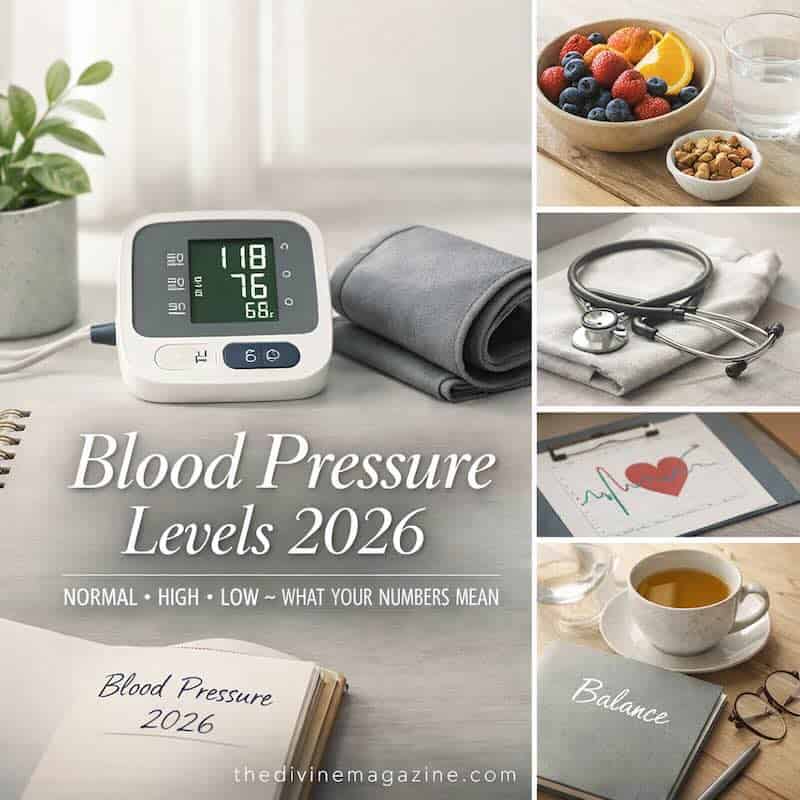
Your blood pressure is one of the most important indicators of your overall health. When it rises too high, it can damage your organs and blood vessels, increasing the risk of life-threatening conditions. When it stays within a healthy range, your risk of developing serious illnesses—such as heart attacks and strokes—drops significantly. With help from Express Pharmacy Online, we’ll break down what your blood pressure reading means in 2026 and why monitoring it matters more than ever.
What Is Blood Pressure?
Blood pressure measures the force of blood pushing against your artery walls as it circulates through your body. It naturally rises and falls throughout the day. For example, it increases temporarily during exercise or stress.
When your blood pressure is checked, two numbers are recorded:
- Systolic pressure (top number): The pressure when your heart beats and pushes blood through your arteries.
- Diastolic pressure (bottom number): The pressure when your heart relaxes between beats.
The only way to know whether your blood pressure is normal, high, or low is to have it measured by a healthcare professional. You can get it checked at your doctor’s office, a local pharmacy, or by using a home blood pressure monitor. For more guidance, see the American Heart Association’s blood pressure resources.
Having Your Blood Pressure Checked
Blood pressure is measured using a sphygmomanometer. While traditional cuffs and stethoscopes are still used, digital monitors have become the standard in 2026 due to their accuracy and ease of use.
The cuff is wrapped around your upper arm and inflated to temporarily restrict blood flow. As the pressure is slowly released, sensors detect your systolic and diastolic readings. For the most accurate results, sit with your legs uncrossed and your arm supported at heart level. The NHS blood pressure guide offers additional tips.
Low Blood Pressure
While high blood pressure gets most of the attention, low blood pressure—known as hypotension—can also cause problems. It may be triggered by medications, dehydration, pregnancy, or underlying medical conditions.
Common symptoms include:
- Fainting
- Blurry vision
- Dizziness
- Feeling lightheaded
Learn more about hypotension from the Mayo Clinic.
Normal Blood Pressure
In 2026, the generally accepted normal range for blood pressure remains 90/60 mmHg to 120/80 mmHg. Readings within this range are considered optimal for most adults.
Even if your blood pressure is normal, adults over 40 should have it checked at least once every five years—or more frequently if recommended by a doctor.
High Blood Pressure
High blood pressure, or hypertension, is one of the most common health conditions worldwide. If left untreated, it can damage your heart, kidneys, eyes, and blood vessels. A reading of 140/90 mmHg or higher is considered high.
A reading between 120/80 mmHg and 140/90 mmHg is considered “high-normal,” meaning you are at increased risk of developing hypertension. The CDC’s hypertension overview provides more details.
Lowering Blood Pressure
If you have high blood pressure, lowering it is essential for long-term health. Lifestyle changes and, when necessary, medication can help bring your numbers down.
Healthy lifestyle changes include quitting smoking, maintaining a healthy weight, reducing salt intake, exercising regularly, and managing stress. For evidence-based strategies, see the World Health Organization’s hypertension fact sheet.
If you’re overweight, quitting smoking and losing weight can significantly improve your blood pressure. Express Pharmacy Online offers weight-loss medications and smoking cessation aids such as Champix and nicotine patches to support these changes.
Conclusion
Blood pressure is a vital indicator of your overall health, and understanding your numbers is essential in 2026. Whether your readings are low, normal, or high, regular monitoring and healthy lifestyle choices can dramatically reduce your risk of serious illness. If you’re concerned about your blood pressure, speak with a healthcare professional and take proactive steps to protect your long-term health.
FAQ: Blood Pressure (2026)
1. What is considered a healthy blood pressure in 2026?
Most adults should aim for a reading between 90/60 mmHg and 120/80 mmHg.
2. How often should I check my blood pressure?
Adults over 40 should check it at least every five years, or more often if they have risk factors.
3. What causes high blood pressure?
Common causes include genetics, diet, stress, lack of exercise, and certain medical conditions.
4. Can high blood pressure be reversed?
In many cases, lifestyle changes and medication can significantly reduce blood pressure.
5. Are home blood pressure monitors accurate?
Yes—modern digital monitors are highly accurate when used correctly.
6. What lifestyle changes help lower blood pressure?
Reducing salt, exercising, quitting smoking, managing stress, and maintaining a healthy weight.
7. When should I see a doctor?
If your readings are consistently high or you experience symptoms such as headaches, dizziness, or chest discomfort.