






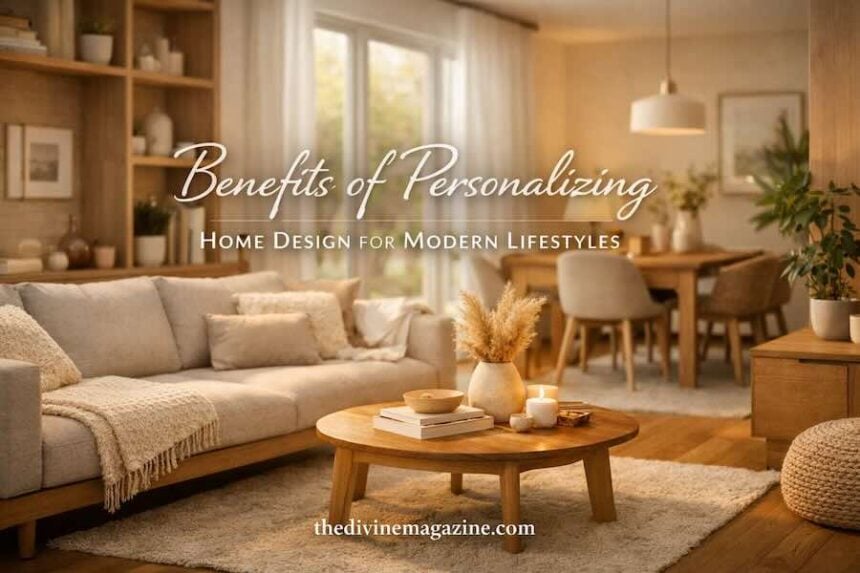
In 2026, home design has evolved into a deeply personal art form — a reflection of how we live, work, and recharge. Personalizing your home isn’t just about aesthetics; it’s about creating spaces that nurture your lifestyle, enhance well-being, and adapt to the rhythms of modern life.
1. Designing for Modern Lifestyles
Today’s homes are multifunctional — serving as offices, gyms, and sanctuaries. Personalized design allows spaces to evolve with your needs. Modular furniture, flexible layouts, and hybrid zones make it easy to shift between productivity and relaxation. Explore adaptive design ideas at Architectural Digest and Dezeen Interiors.
2. Emotional Connection and Comfort
Personalized spaces foster emotional well-being. Incorporate textures, colors, and heirlooms that evoke calm and belonging. Scandinavian design principles — simplicity, warmth, and natural light — remain timeless. For inspiration, visit Scandinavian Design or Homedit for mood‑enhancing interiors.
3. Smart Technology Integration
Smart homes are redefining personalization. Automated lighting, adaptive thermostats, and voice‑controlled systems create intuitive comfort. Learn how to integrate smart tech seamlessly at Smart Home Automation or TechRadar’s Smart Home Guide.
4. Sustainability and Conscious Design
Personalization offers the perfect opportunity to embrace sustainability. Choose recycled materials, energy‑efficient systems, and locally crafted furniture. Explore eco‑friendly design trends at Green Building Supply and EcoWatch.
5. Flexibility for Future Needs
Modern life is fluid — your home should be too. Movable partitions, convertible furniture, and universal design principles ensure adaptability for family growth or remote work. For design foresight, explore Dwell Magazine and House Beautiful.
6. Biophilic Design and Well‑Being
Nature‑inspired interiors improve mood and productivity. Integrate greenery, natural light, and organic textures to create restorative spaces. Learn more about biophilic design at ArchDaily and The New York Times Real Estate.
Conclusion
Personalizing home design in 2026 is about creating harmony between individuality and innovation. By tailoring spaces to your habits, values, and aspirations, you transform your home into a living reflection of who you are — functional, sustainable, and emotionally resonant.
FAQ: Personalized Home Design 2026
Why personalize home design?
It enhances comfort, efficiency, and emotional connection to your space.
How does personalization affect property value?
Custom features and smart upgrades increase appeal and resale potential.
What’s trending in 2026?
Biophilic design, modular layouts, and sustainable materials dominate modern interiors.
Can personalization be eco‑friendly?
Yes — use recycled materials, energy‑efficient systems, and local craftsmanship.
Home & Living 2026: Where individuality meets innovation — design that feels personal, purposeful, and timeless.