







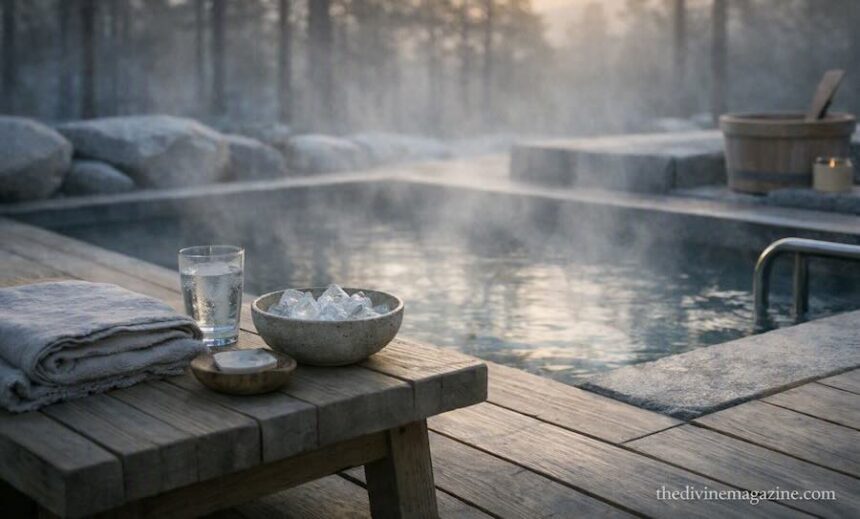
A steel tub in a backyard corner. Steam rising off the surface in winter. Someone lowering themselves in with the particular stillness of a person about to regret this. Then, thirty seconds later, they don’t.
Cold plunging spent years as an athlete’s recovery tool and a Nordic habit most other cultures treated as extreme. Now it’s showing up in ordinary backyards, bathrooms, and gym memberships everywhere. The question worth asking isn’t whether it’s trending — it clearly is — but whether it actually does anything.
From niche to backyard fixture
Search interest tells the story on its own. Online searches for terms like “cold plunge benefits” and “cold plunge tub for home” have climbed steadily as the practice moved from spas and athletic facilities into ordinary households (House Digest). The European cold plunge tub market alone is projected to grow at a compound annual rate of 7.7% through 2033, with consumers increasingly viewing it as a structured method for circulation and recovery rather than a novelty (Grand View Research).
Home saunas are climbing right alongside it. In practice, the two get paired — heat, then cold — because that contrast is where a lot of the reported effect seems to come from.
What the research actually supports
Cold water immersion triggers a real physiological cascade the moment skin temperature drops below roughly 77°F — colder water produces a stronger response, but also more cardiovascular demand (HomePlunge). A 2017 systematic review in Sports Medicine found cold water immersion at 10–15°C for 10–15 minutes produced small-to-moderate improvements in muscle soreness and perceived recovery — meaningful, but modest, and mostly about how recovery feels rather than measurable performance gains.
That’s the honest version. Not a miracle. A real, if moderate, physiological effect layered under a lot of social-media theater.
Circulation is where skin comes in
The mechanism that matters most for skin is circulation. Cold exposure constricts blood vessels near the surface; the rewarming that follows sends blood rushing back — the same hot-cold contrast Nordic sauna culture has leaned on for generations. Improved circulation shows up on the benefit list across nearly every source covering the trend, alongside reduced inflammation and support for immune function (Sun Home Saunas).
There’s a mood component too. Cold exposure is linked to a sharp rise in norepinephrine, a neurotransmitter tied to alertness and mood regulation — part of why people describe the post-plunge state as clear rather than just cold (Sun Home Saunas).
Who should sit this one out
Cold plunging isn’t universally safe. Pregnant women should avoid it unless specifically cleared by a physician, and anyone with a cardiovascular condition needs a doctor’s input before trying it (Family Finance Warriors). The cardiovascular demand that makes cold plunging effective is the same reason it isn’t for everyone.
How to try it without a $3,000 tub
- Start with the shower. Thirty to sixty seconds of cold at the end of a normal shower gets a milder version of the same contrast effect.
- Don’t chase the coldest water immediately. The research supports 10–15°C for short sessions, not an ice bath from day one.
- Pair it with heat if you can. Sauna or a hot shower first, then cold — the contrast is doing more than the cold alone.
- Keep sessions short. Ten to fifteen minutes is the upper range studied for recovery benefit, not an endurance test.
- Check with a doctor first if you’re pregnant or have any cardiovascular condition — this is the one non-negotiable on the list.
Where this leaves you
Strip away the influencer footage and what’s left is a real, moderate, well-documented effect on circulation, mood, and recovery — the same principle Nordic culture built into daily life generations before it had a market size or a growth chart. It isn’t magic, and it isn’t for everyone. But the cold shower at the end of a hot one is a low-cost way to find out if it’s for you.
FAQ
Do I need an actual cold plunge tub, or does a cold shower work?
A cold shower gets you a milder version of the same circulation and alertness effect. A dedicated tub allows for colder, more controlled temperatures, but it isn’t required to start.
How long should a cold plunge session actually last?
Research supports roughly 10–15 minutes at 10–15°C for recovery benefit. Longer isn’t automatically better, and cardiovascular strain increases with both colder water and longer exposure.
Is cold plunging safe during pregnancy?
Not without a doctor’s clearance. It’s one of the more consistent warnings across current guidance on the practice.
Does cold plunging actually improve skin, or is that a stretch?
The circulation boost is real and physiologically documented. Whether it translates into visibly different skin long-term is less studied than the recovery and mood effects, so treat it as a plausible bonus rather than the main reason to try it.
What’s the single biggest mistake beginners make?
Going straight to the coldest water for the longest time. Building up gradually — cooler showers first, then shorter plunges — gets better adherence and fewer people quitting after one bad session.