







As homes increasingly integrate advanced technologies, the risks associated with electrical installations evolve as well. New appliances and smart devices bring unprecedented convenience, but they also demand rigorous safety standards and vigilant maintenance. For those needing professional assistance, you can book an electrical installation to ensure your home’s system is ready to meet modern needs.
Everyday activities depend on reliable electricity, making safe planning and proactive updates critical for maintaining household well-being. Failing to recognize potential hazards can lead to electrical faults and even fires, underscoring the importance of proper installation, timely upgrades, and regular inspections.
Most electrical injuries and household fires are preventable with a deeper understanding of standards and a commitment to professional oversight. Safe electrical design and maintenance support not only the protection of property but also the health and security of everyone at home.
As smart home systems and appliances multiply, their requirements increase the strain on existing electrical infrastructure. Addressing these demands in a safe and informed manner helps minimize potential risks and adapt your home to future technologies.
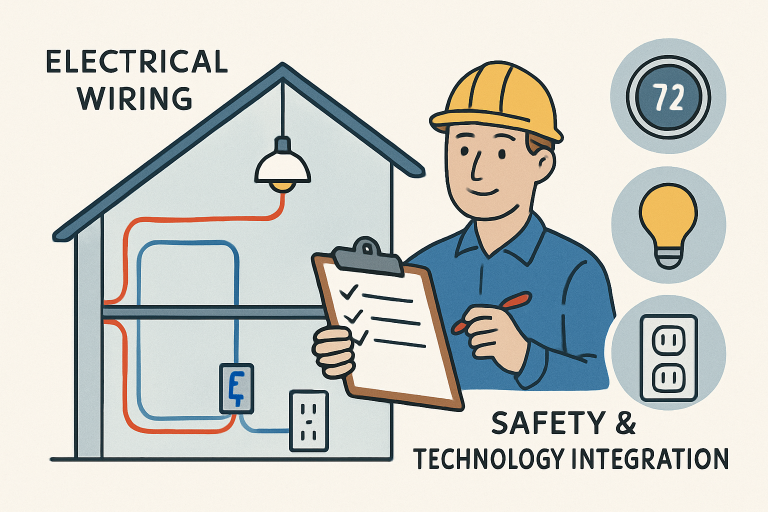
Understanding Electrical Safety Standards
Reliable electrical safety in homes depends on compliance with standards such as the National Electrical Code (NEC). These regulations lay out guidelines for proper design, installation, and inspection to prevent electrical hazards that could endanger people and property. Following established codes ensures that electrical systems in each home function safely while adapting to evolving technologies and appliances.
Each jurisdiction may also impose supplementary requirements, and updates to these codes frequently reflect advances in electrical safety research. Homeowners and electricians must stay informed of such changes to ensure both new installations and older systems remain up to standard. Updated electrical codes support the safe integration of higher-capacity circuits and emerging technologies, both essential to modern households.
Common Electrical Hazards in Modern Homes
As technology changes, electrical hazards in homes continue to shift. Some of the most prevalent dangers include:
- Overloaded Circuits: Adding more high-power devices than the existing wiring or panels can handle can lead to overheating, a common cause of electrical fires.
- Outdated Wiring: Many older homes still rely on wiring that does not meet current safety standards, making them susceptible to faults, shock, and other issues.
- Improper Use of Extension Cords: Treating extension cords as a substitute for permanent solutions not only overburdens circuits but can also create significant fire hazards.
Importance of Professional Installation
Hiring a licensed electrician for wiring, upgrades, and electrical repairs is vital for long-term safety. Certified professionals possess the technical knowledge to assess your household’s unique electrical requirements, ensuring installations comply with applicable codes and are executed with precision. They also remain up to date with industry standards so that your home’s system meets all necessary safety benchmarks.
Attempting to undertake electrical work without suitable training risks personal safety, property damage, and even violations of local laws or insurance policies. Homeowners should always engage professionals for new installations, panel changes, or any significant modifications to avoid costly errors and ensure reliable protection for their families.
Upgrading Electrical Systems for Modern Demands
New devices, electric vehicles, and energy-efficient appliances can quickly overwhelm older electrical systems. To keep pace with today’s energy needs, homeowners should prioritize sensible upgrades such as:
- Electrical Panel Upgrades: Modern panels are built for increased capacity and higher safety standards, often including advanced circuit breakers to prevent overloads and arc faults.
- Rewiring: Replacing outdated aluminum or cloth-insulated wiring with up-to-date copper or other safe materials improves both performance and safety, reducing the chances of electrical faults or fires.
- Installation of Ground Fault Circuit Interrupters (GFCIs): GFCIs immediately cut power upon detecting ground faults, making them essential for areas prone to moisture, including kitchens, bathrooms, and outdoor outlets.
These upgrades not only help prevent serious safety hazards but also ensure compatibility with new technologies as they are introduced into the home.
Integrating Smart Home Technologies Safely
Smart thermostats, voice assistants, automated lighting, and security systems all offer enhanced comfort and utility, but they require a thoughtful approach to installation. Overlooking your current system’s capabilities can result in overloaded circuits, connectivity issues, or even electrical faults. Consulting licensed electricians provides peace of mind that new devices are integrated safely and efficiently, reducing the likelihood of accidents.
Smart systems should be installed to evenly distribute loads across circuits, ensuring backup power and surge protection devices are in place to protect sensitive electronics from sudden voltage spikes or power failures.
Regular Maintenance and Inspections
An annual electrical check can reveal hidden hazards and potential points of failure. Electricians will test GFCIs and Arc Fault Circuit Interrupters (AFCIs), inspect cords and outlets for wear or damage, ensure breakers and panels are functioning correctly, and confirm that grounding is intact. Routine inspections can prevent everyday problems from growing into larger emergencies.
Maintenance and proactive repairs are essential to keeping your home safe, especially when adding new devices or making significant upgrades to your system.
Final Thoughts
Safe electrical installations are fundamental to the well-being of modern homes. The careful application of industry standards, professional installation, sensible upgrades, and regular maintenance all help reduce hazards and promote peace of mind. By embracing these best practices, homeowners can protect their property, loved ones, and investments from unnecessary risk.