




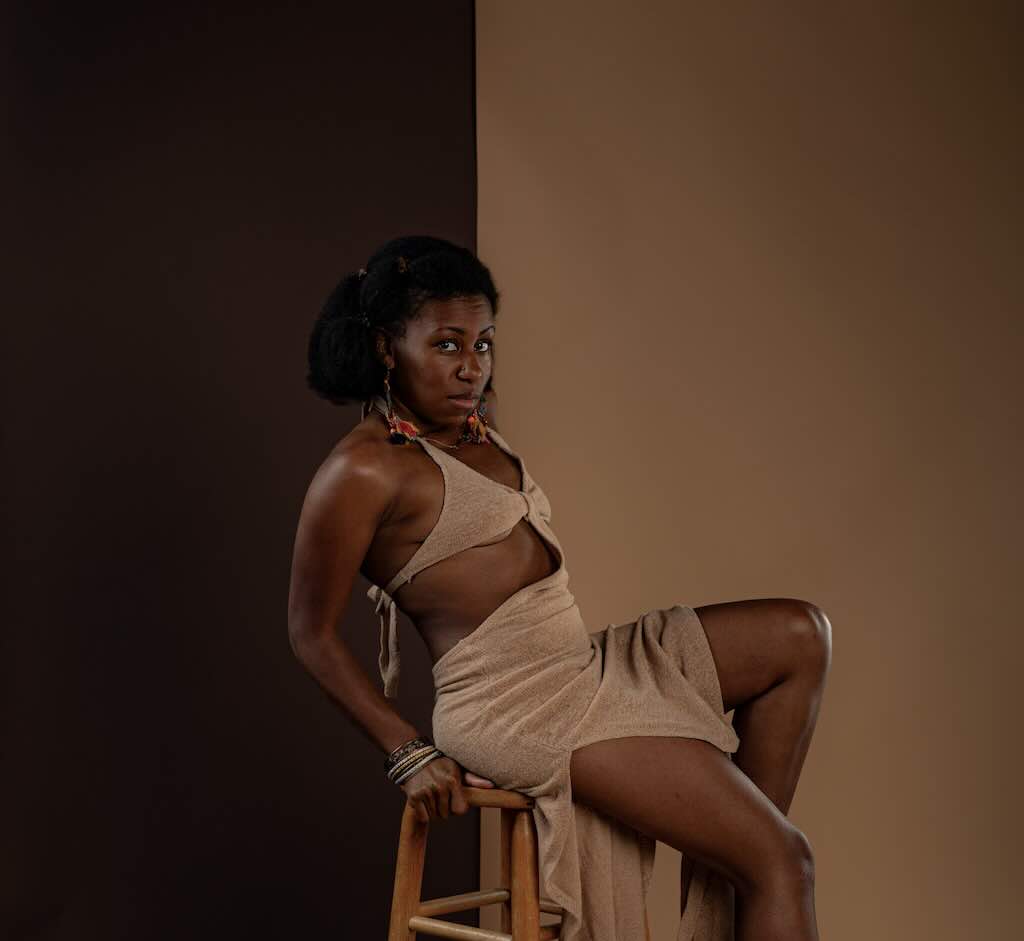


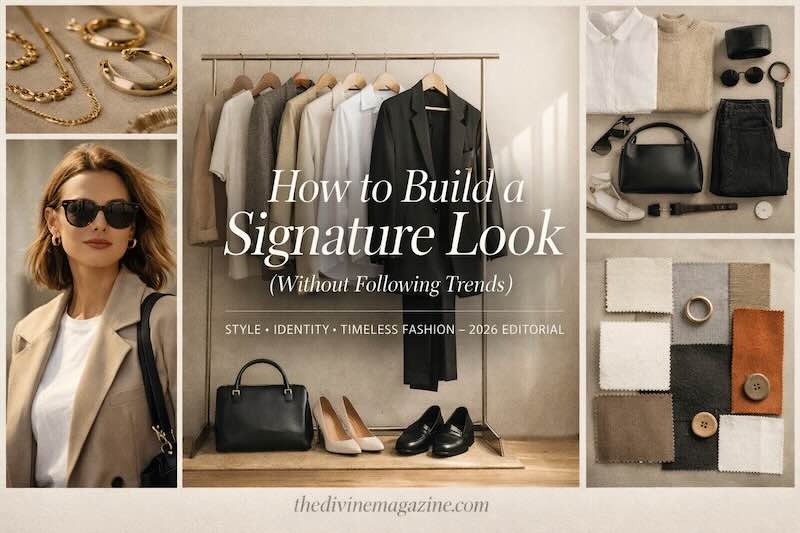
Trends come and go, but a signature look feels timeless. In 2026, building a personal style isn’t about copying what’s on the runway or your social feed — it’s about understanding who you are, how you live, and what makes you feel most like yourself. A strong signature look simplifies getting dressed, boosts confidence, and makes your wardrobe work harder for you.
Instead of chasing micro-trends, this guide will walk you through how to define your style DNA, choose colors and silhouettes that love you back, and build a wardrobe that feels cohesive, elevated, and uniquely yours.
1. Start with Your Style Story
Your signature look should reflect your real life — not an aspirational fantasy you never actually wear. Think about your daily routine, your work environment, and the places you go most often. Are you more creative, classic, minimal, or eclectic? What outfits have made you feel most confident in the past?
For inspiration, browse editorial style features from Vogue or personal style stories on The Cut, but use them as reference points — not rules.
- List three outfits you’ve loved wearing and note what they had in common.
- Identify three words that describe how you want to look and feel (e.g., “clean, modern, effortless”).
- Consider your lifestyle: do you need office-ready looks, creative uniforms, or elevated casual?
2. Define Your Core Silhouettes
A signature look often comes down to a few repeating shapes: wide-leg trousers with fitted tops, structured blazers over simple tees, midi dresses with boots, or oversized knits with slim bottoms. When you know which silhouettes flatter your proportions and feel comfortable, getting dressed becomes almost automatic.
For guidance on body proportions and fit, explore style breakdowns from Who What Wear or fit-focused advice on InStyle.
- Choose 2–3 “go-to” bottoms (e.g., straight-leg jeans, tailored trousers, midi skirts).
- Choose 2–3 “go-to” tops (e.g., crisp shirts, fitted knits, relaxed tees).
- Choose 1–2 outer layers (e.g., trench coat, leather jacket, structured blazer).
3. Build a Signature Color Palette
Color is one of the fastest ways to make your style recognizable. A signature palette doesn’t have to be loud — it can be neutrals with one accent shade, or a mix of earthy tones and soft pastels. The key is repetition: wearing similar colors across outfits creates visual cohesion.
You can explore color theory and seasonal palettes via resources like Colorwise.me or read about capsule wardrobe color strategies on Unfancy.
- Select 2–3 base neutrals (e.g., black, navy, camel, grey).
- Add 1–2 accent colors you love and actually wear.
- Repeat these colors in clothing, shoes, and accessories.
4. Choose Your Style “Signatures”
Signatures are the details people start to associate with you: a red lip, gold hoops, sharp tailoring, monochrome outfits, or always wearing sneakers with dresses. These elements don’t have to be dramatic — they just need to be consistent.
Look at street style galleries from Harper’s Bazaar or ELLE and notice how certain people repeat the same styling cues in different outfits.
- Pick 1–3 “always” items: maybe you always wear a watch, a certain jewelry metal, or a specific shoe style.
- Decide on a default beauty look (e.g., natural skin + defined brows, or bold lip + minimal eye).
- Repeat these choices across seasons so they become part of your visual identity.
5. Curate, Don’t Accumulate
Building a signature look is more about editing than endlessly buying. Instead of adding every “must-have” piece, focus on curating a wardrobe where most items work together. A smaller, intentional closet often looks more elevated than an overflowing one.
For mindful wardrobe planning, explore capsule wardrobe guides from The Anna Edit or sustainable fashion advice on Good On You.
- Remove pieces that don’t fit your style words, color palette, or silhouettes.
- Invest in quality basics you’ll wear weekly, not just once.
- Before buying, ask: “Does this support my signature look or distract from it?”
6. Create Outfit Formulas
Outfit formulas are repeatable combinations that always work for you — like “blazer + tee + straight jeans + loafers” or “midi dress + ankle boots + long coat.” Once you know your formulas, you can swap colors and textures while keeping the same structure.
For visual outfit ideas, save looks on Pinterest or use wardrobe apps like Cladwell to track what you actually wear.
- Write down 3–5 outfit formulas that feel like “you.”
- Photograph outfits you love and keep them in an album for quick reference.
- Use these formulas as your default on busy days.
7. Ignore Trends (Strategically)
Not every trend deserves space in your wardrobe. Instead of reacting to every new silhouette or color, ask whether it aligns with your style story, palette, and lifestyle. You can appreciate trends from a distance and still keep your look current by updating fabrics, fits, or accessories in subtle ways.
To stay informed without feeling pressured, follow thoughtful fashion commentary on The Business of Fashion or long-form style essays on archived Man Repeller content (via features and retrospectives).
- Say yes only to trends that genuinely complement your existing wardrobe.
- Try trends in accessories first (bags, shoes, jewelry) instead of core clothing.
- Remember: repetition, not novelty, is what creates a signature look.
Conclusion: Style That Lasts Beyond Seasons
A signature look isn’t built in a weekend — it evolves as you refine what works and let go of what doesn’t. By focusing on your story, silhouettes, color palette, and a few consistent style signatures, you create a wardrobe that feels intentional and recognizably yours. Trends will keep changing, but when you know your visual identity, you can move through seasons with ease, confidence, and a closet that truly supports your life.
FAQ: Building a Signature Look (2026)
1. How long does it take to build a signature look?
It usually takes a few months of experimenting, editing, and repeating what works. Start by refining your color palette and silhouettes, then gradually align new purchases with that direction. Over time, your outfits will naturally feel more cohesive.
2. Do I need an expensive wardrobe to have a signature style?
No. A signature look is about consistency, not price. You can mix high-street, vintage, and investment pieces. Focus on fit, fabric, and how items work together. For budget-friendly styling ideas, explore Refinery29 Fashion.
3. Can I have a signature look if my style changes often?
Yes — your signature can evolve. Think of it as a framework rather than a fixed uniform. Your core elements (like color palette or favorite silhouettes) can stay consistent while you play with details, textures, or accessories.
4. How do I know which colors suit me best?
Pay attention to which colors make your skin look brighter and your eyes stand out. Natural light photos can help you compare. You can also try online color analysis tools like Colorwise.me or consult a professional color analyst in your area.
5. What if my work dress code clashes with my personal style?
Use subtle elements of your signature look within the dress code: your preferred color palette, jewelry, shoes, or outerwear. Outside of work, lean fully into your personal style so you still feel creatively expressed.
6. How many “signature pieces” do I really need?
Even 3–5 recurring elements can define your look — for example, straight-leg jeans, white shirts, gold hoops, loafers, and a trench coat. The goal is not quantity, but repetition and coherence.
7. Should I keep moodboarding once I’ve found my signature style?
Yes. Moodboards help you refine and evolve your look without impulse shopping. Use Pinterest or saved folders on Instagram to collect outfits that align with your existing style, not replace it.